
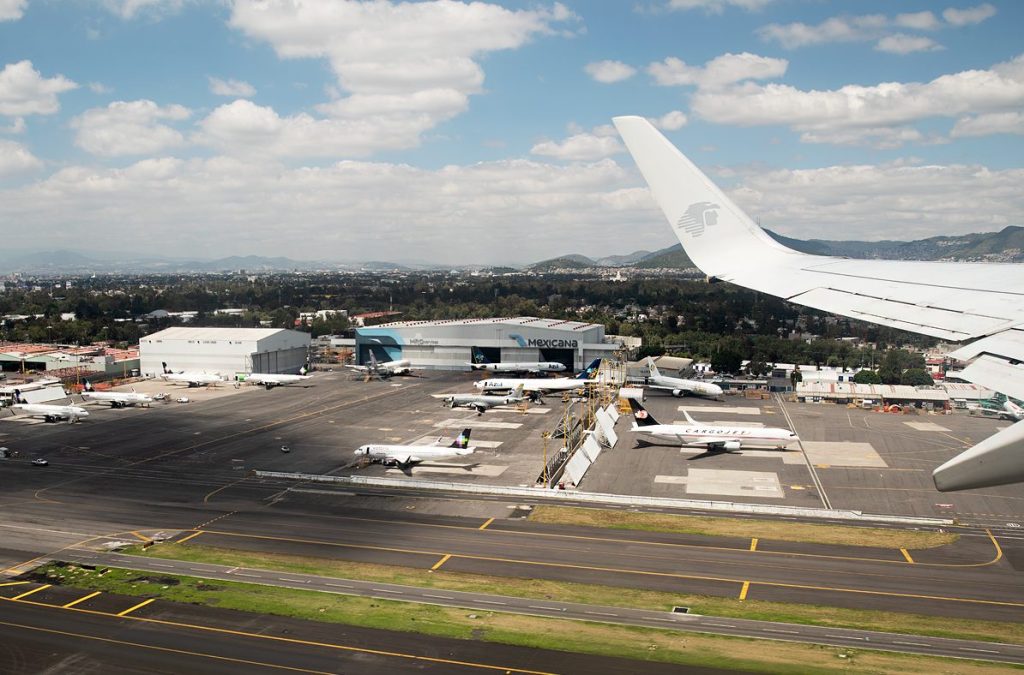
Featured photo taken by Ricardo Morales – Aviation Photography of Mexico
Thursday, July 2, 2026
The arrival, the wait, and then boarding to leave. And often, you wait longer on the tarmac—this is the typical experience with travel and aviation.
Which is structured around volume because the system has to move as many people as possible, efficiently and safely, on time.
But that’s the experience airlines and airports promote. Because just beyond the terminal, there’s another system operating quietly in parallel to the taxiways and runways—one that isn’t built for travelers, but for control.
Often ignored or simply observed when looking out the windows during takeoffs and landings, it’s where aircraft are parked, far from the gate, in or near wide hangars with doors tall enough to swallow the aircraft whole. It’s where low-profile buildings stand off to the side of the world-traveling action, taking flight.
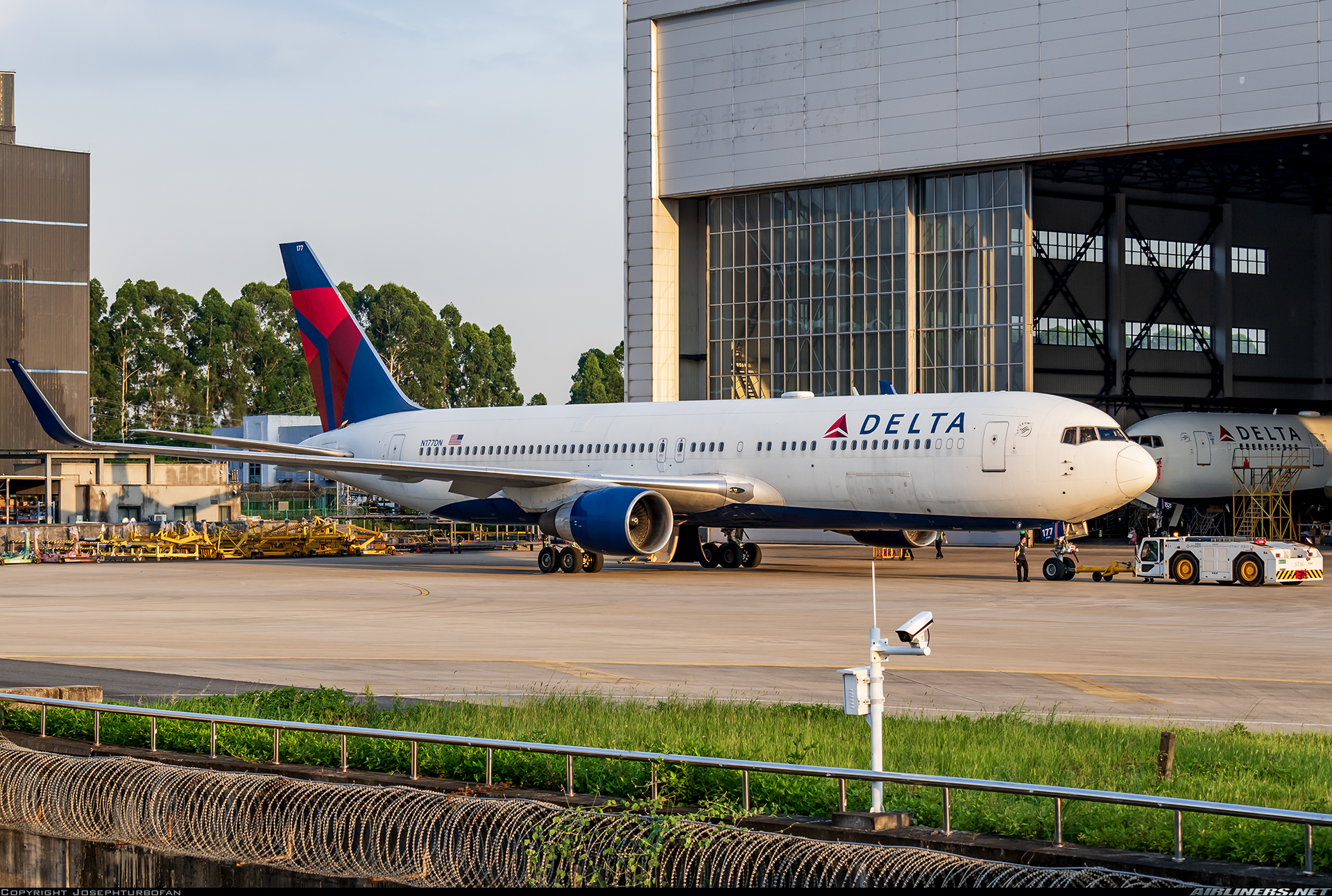
That’s where FBOs and MRO facilities operate. Together, they define how aviation actually functions beyond the passenger experience.
An FBO—Fixed Base Operator—is the access point. It’s where private flights begin and end. Instead of terminals, FBOs have lounges. And instead of boarding groups, there’s timing—the passenger’s time. A passenger can arrive minutes before departure, walk through a quiet lobby, and board the aircraft. But the function goes beyond passengers.
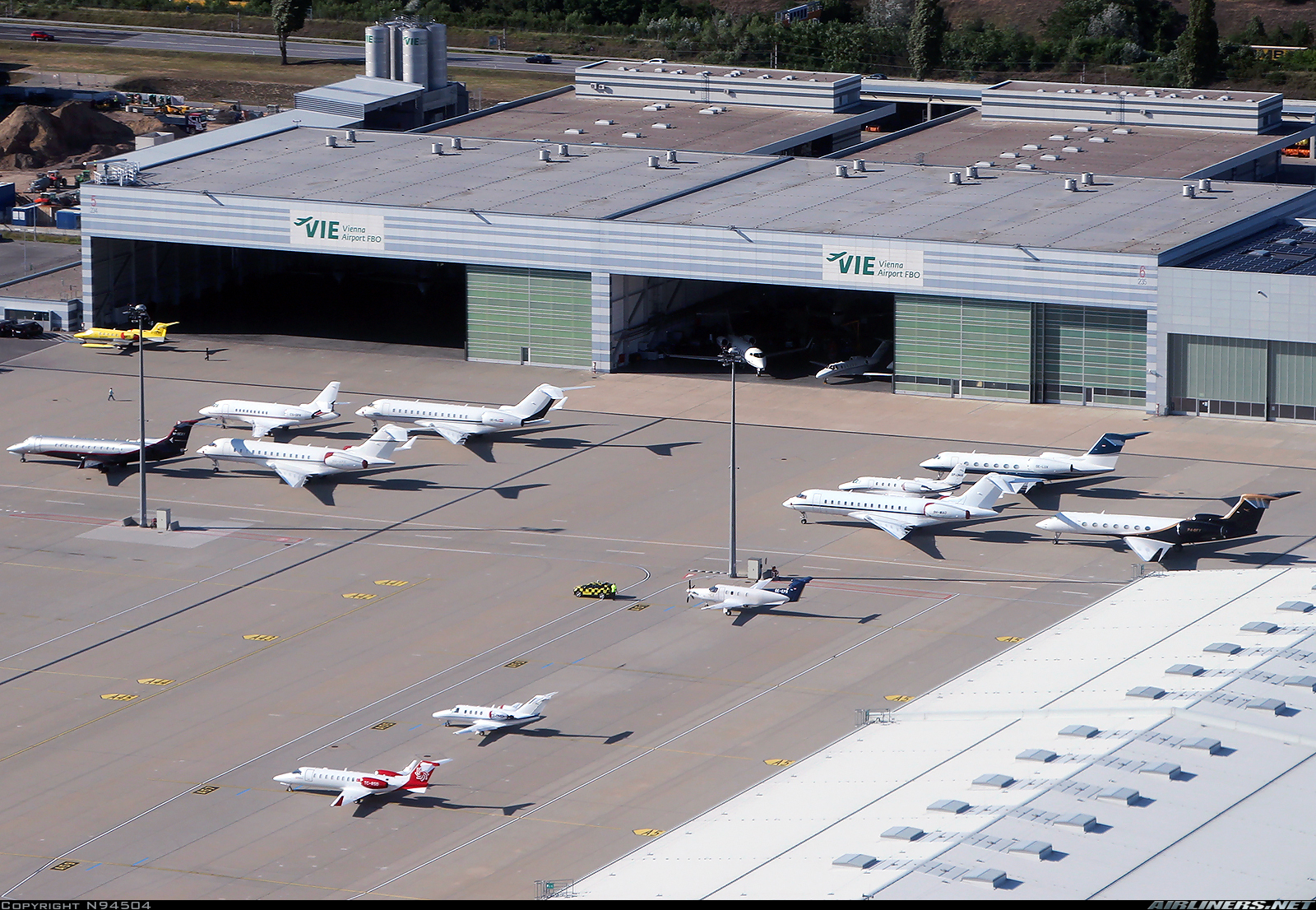
FBOs handle fueling and coordinate jet fuel loads specific to the aircraft and route. They manage ramp space, marshal aircraft into position, and provide ground services like towing, cleaning, and restocking cabins. So, if a jet lands and needs to turn around quickly, the FBO makes that possible.
FBOs aren’t designed to be seen; they’re designed to remove time.
And then there are MRO facilities—Maintenance, Repair, and Overhaul—that do the opposite by slowing everything down.
Because aircraft don’t just fly forever, they cycle through scheduled maintenance that’s as structured as the flights themselves. And there are levels to it.
A line check happens frequently. It’s a basic inspection done between each flight, covering visual checks and fluid levels to tire conditions. It’s efficient and performed by certified, educated professionals.
Then there are A checks, performed every few hundred flight hours. These are routine but more detailed, often done overnight in a hangar. Systems are inspected, and minor issues are corrected before they escalate.
Beyond that, the aircraft is taken out of rotation for C and D checks.
A C check is where things start to open up. It happens every 18–24 months, depending on the aircraft. Panels are removed, systems are thoroughly tested, and components are repaired or replaced. The aircraft can be grounded for days or weeks.
Then there’s the D check—the reset.
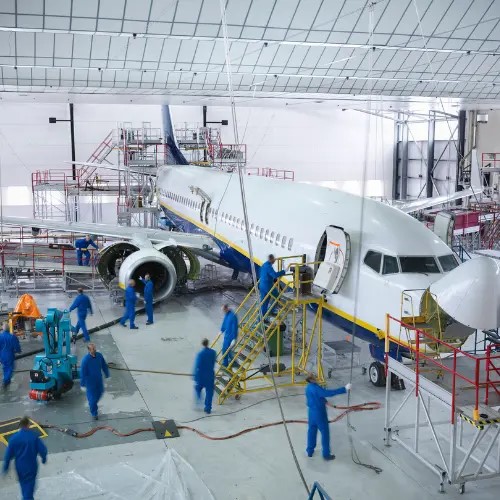
It happens roughly every 6–10 years. The aircraft is almost completely disassembled, the interior removed, the structure exposed, the wiring inspected, and the corrosion addressed. This takes months, sometimes longer, and costs millions.
At that point, the aircraft isn’t just being maintained; it’s being rebuilt. This is the part of aviation most people never consider because, from the outside, flight looks continuous. Planes take off, land, and repeat. But behind the hangar doors, there’s a second rhythm—one that determines whether those flights happen at all.
FBOs keep aircraft moving, and MROs make sure they can. And together, they reveal something deeper about aviation.
The difference isn’t just who gets to fly private versus commercial. It’s who operates within the visible system… and who moves entirely around it. Because the most important parts of aviation aren’t always in the air—it’s what you never see from the terminal gate.
-TK


