Wednesday July 1, 2026
I’ll start this off by reluctantly backing up one of seven people who’ve become the reason Trail Blazer fans are even entertaining the idea of losing the team.
Six of them sit on the city council. The seventh is Tom Dundon. And so, I quote:
“The players [Jail Blazers] didn’t do anything…”
I don’t agree with that, but I can’t disagree either.
When the Trail Blazers were first coined “Jail Blazers,” it came from a front-page article published in the Willamette Week on August 14th, 1996. The framing was immediate and deliberate, with players arranged like a police lineup, and the premise already decided. Six players, the article noted, had “run afoul of the law.”
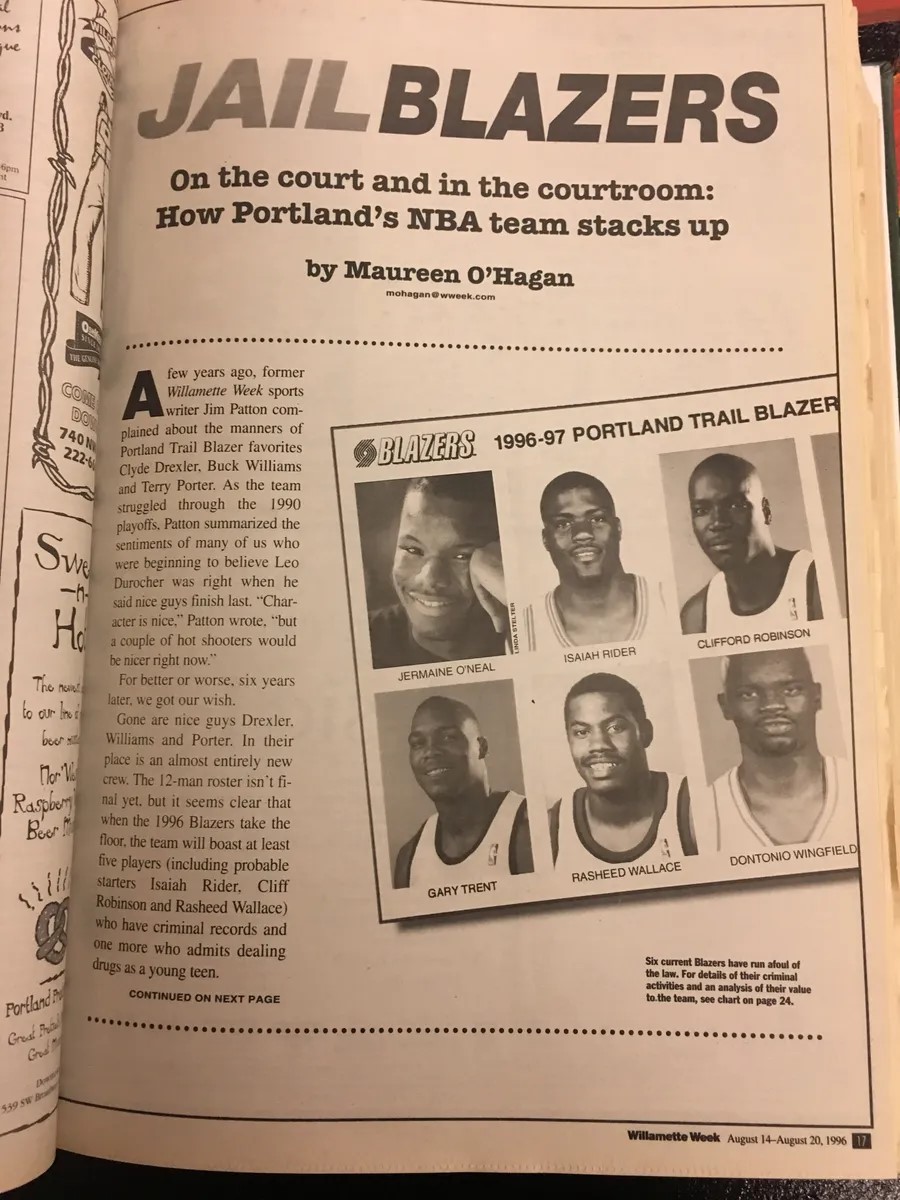
That name didn’t come from chaos—it introduced it.
And so before the Western Conference Finals run, the stack of technical fouls, and the arrests became headlines instead of footnotes, the team’s label was created.
That matters because the story of that era is often told in reverse—as if the nickname was earned or as a conclusion of stuff happening. But history doesn’t move that cleanly. The writer assigned their identity early, then reinforced it over time, until it stopped sounding like framing and began to sound like fact.
Which is where the discomfort lives. Because yes—stuff happened.
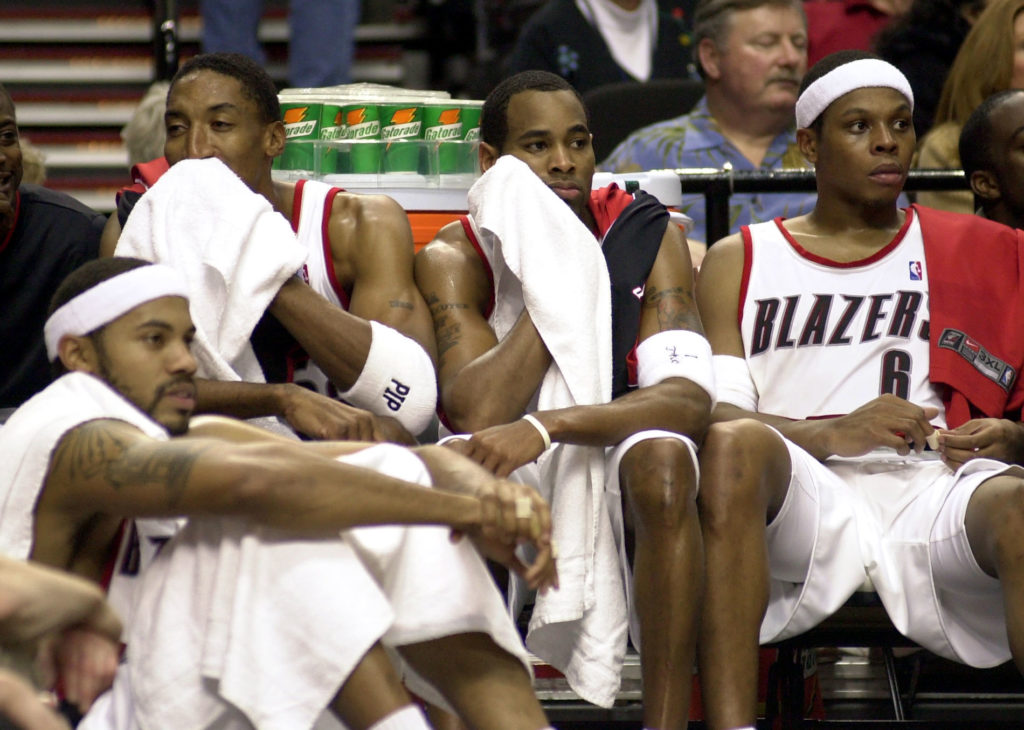
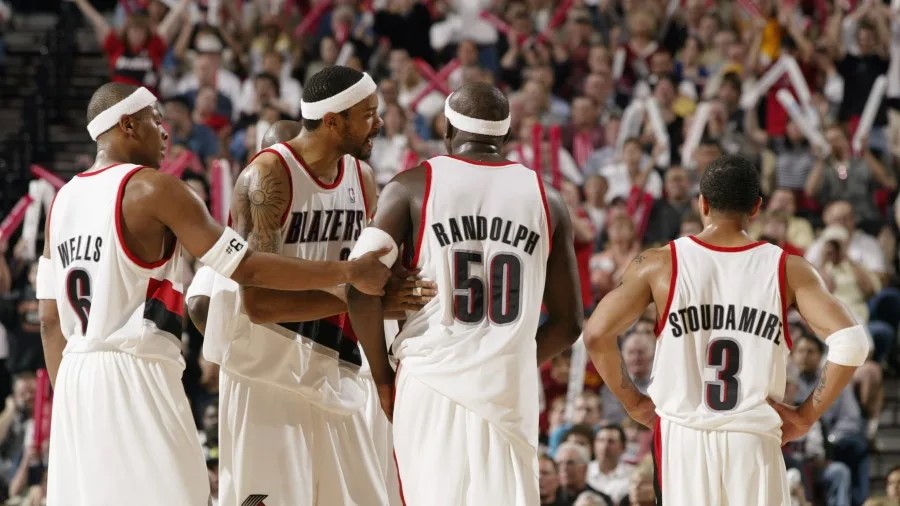
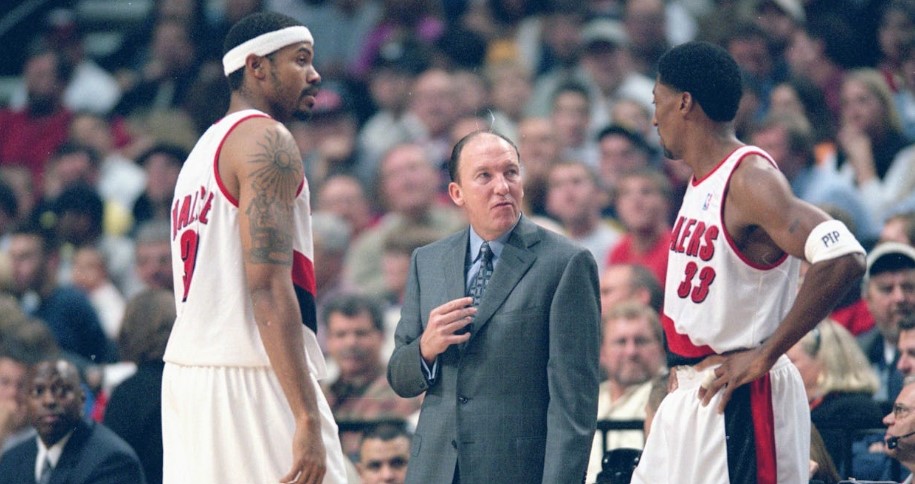
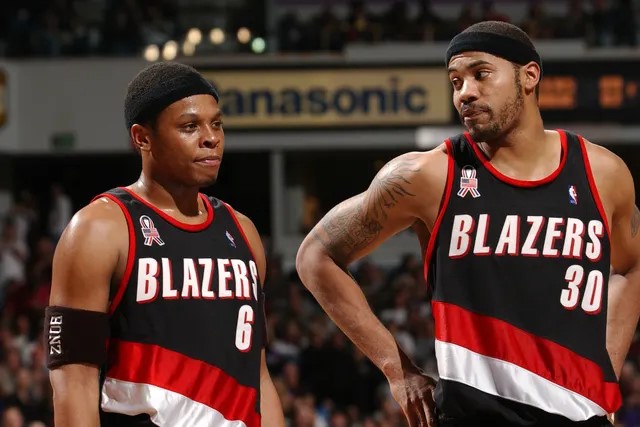
Incidents, suspensions, mistakes, repetition, more than enough stuff to justify criticism and fracture whatever connection once existed between the team and city.
But also, nothing that fully explains how quickly a group of players became a single idea or headline.
The distance between behavior and branding collapsed. And in Portland, that collapse carried weight. A majority-white city watching a roster of young, visible, unapologetic Black athletes, who didn’t just see mistakes. The city saw something harder to name. And once something is hard to name, it’s easy to label.
So, the name stuck.
Not because it was entirely wrong. But because it was simple. And simple travels faster than truth. Which brings us to now.
A trade is made where a player arrives with context already attached—history, headlines, and warnings that follow him. And before anything can settle, the past is pulled to meet him. Not carefully, but quite efficiently.
A recent column reaches for the “Jail Blazers” again, as if it still explains uncertainty with Portland basketball. Or it was a neutral label rather than a loaded memory. But we’re setting ourselves back thirty years by reusing that term. Not the events themselves, but the framing.
By how a player becomes a narrative before he becomes part of a roster. A trade becomes an assumption before it becomes about basketball. And history, as debated, complicated, and contested, becomes a tool again—reapplied rather than reexamined.
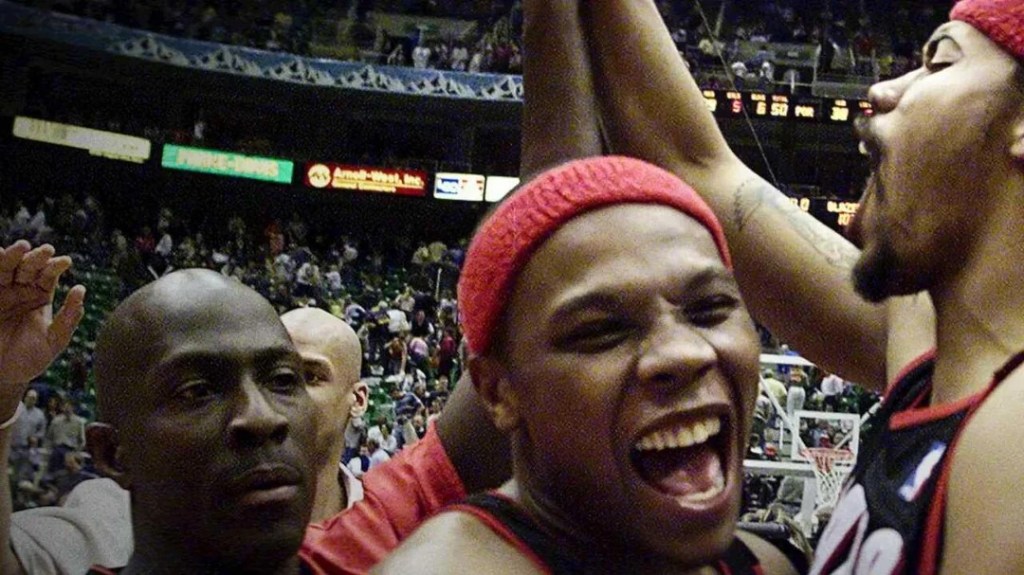
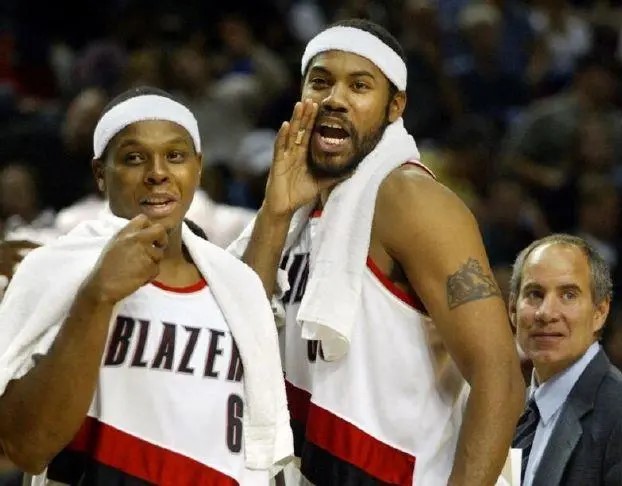
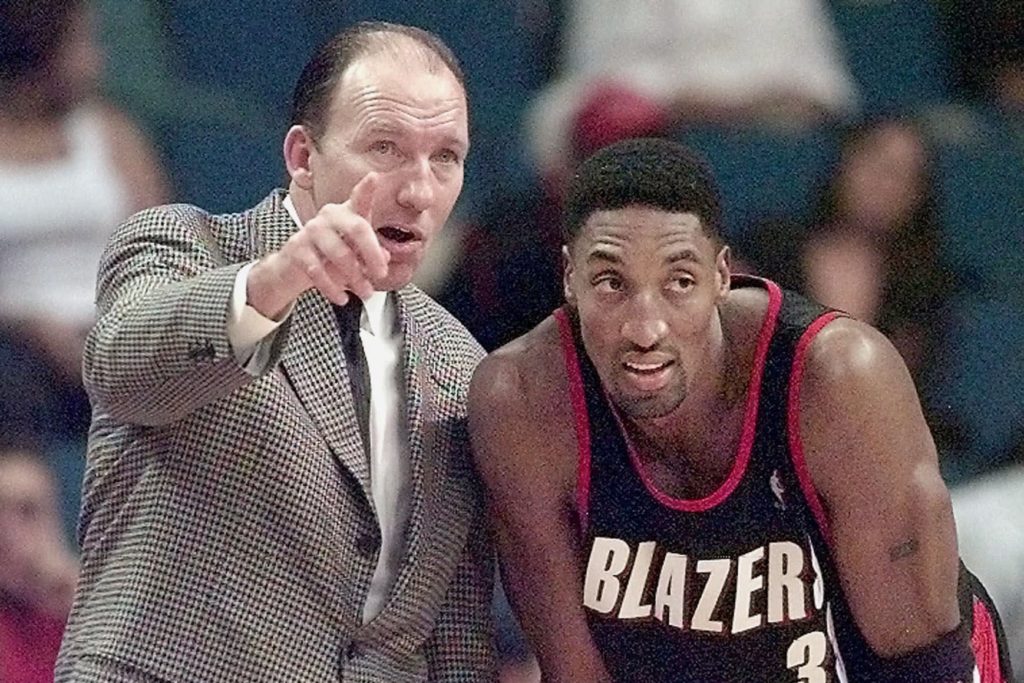
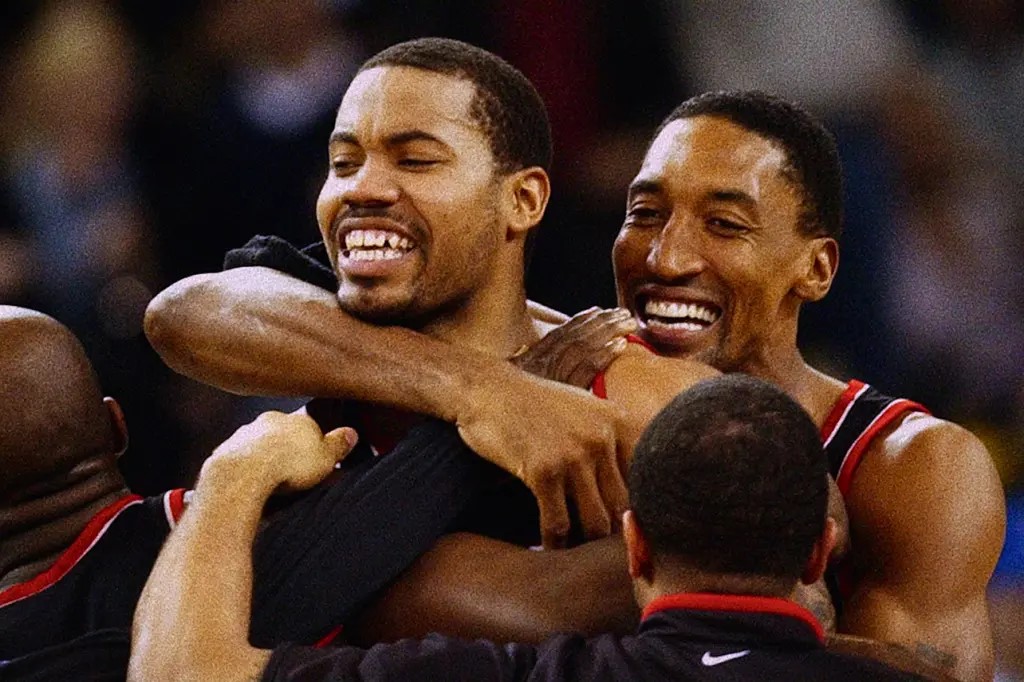
This is where the loop tightens.
The danger was never only what that era produced; it was how quickly it was named. How fast identity arrived ahead of outcome. And how easily a sports writer can encourage reducing players’ backgrounds to something convenient. That mechanism doesn’t disappear just because the roster changes. It gets reused, as we’re witnessing something in real time…
History doesn’t always repeat itself, but it rhymes in ways people recognize too quickly.
The most revealing part of any new chapter isn’t the trade, the player, or risk—it’s how quickly we decide the story has already been written.
-TK


