
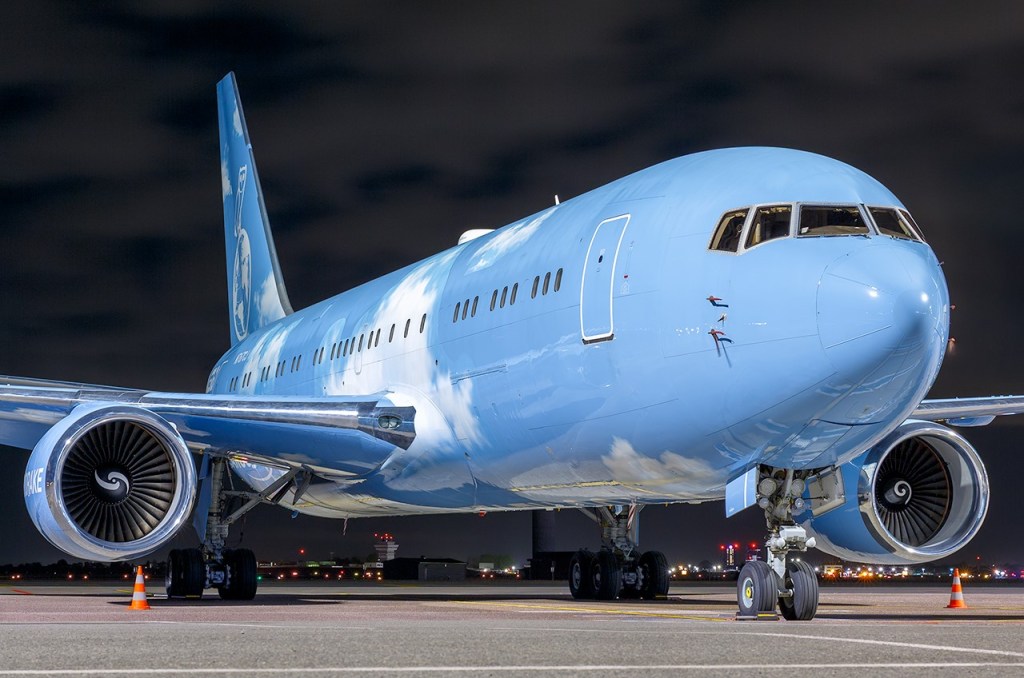
Featured photo taken by Johan Kellerman
Thursday, June 25, 2026
Distance isn’t disappearing, as some like to say; the world is getting smaller. But it’s actually being redistributed by how we travel.
Technology, connectivity, and speed have compressed geography into something manageable. But that idea only holds assuming everyone is experiencing the same version of movement.
And we’re not.
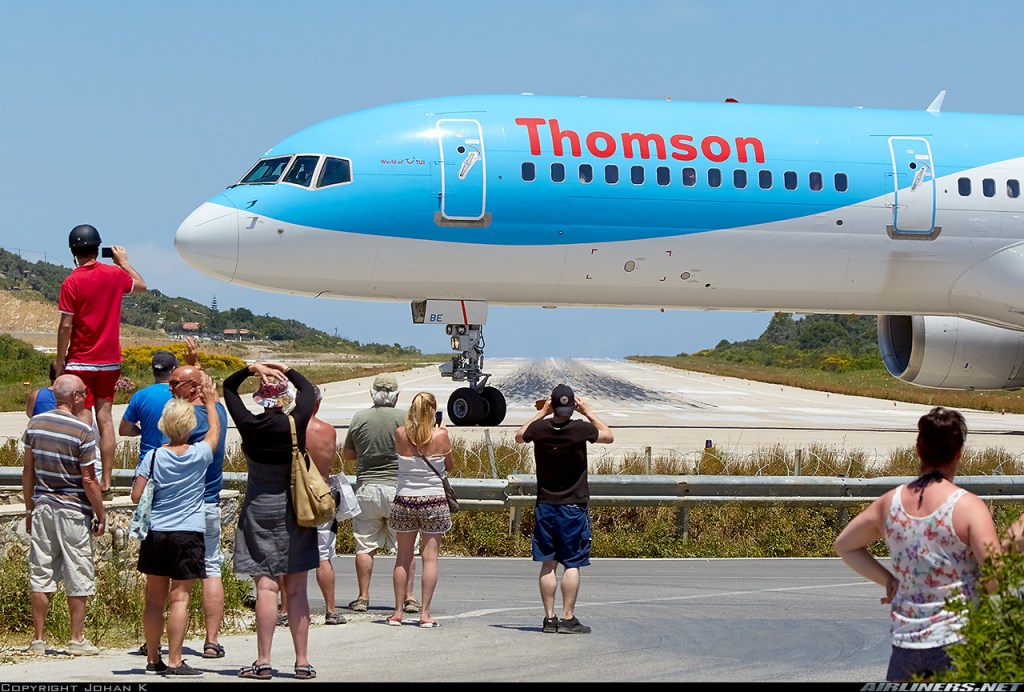
For most people, distance is a constraint, where decisions are made before they’re thought out. Considering where you can go, how often you can go, and whether something is worth the effort—all of which get filtered through time, cost, and access. Distance, in that sense, isn’t just physical, it’s structural. In business aviation, that structure starts to loosen. Not completely, but just enough.
A same-day international meeting becomes realistic. Or a multi-city itinerary becomes efficient instead of exhausting. The margin between “possible” and “impractical” shifts—and with it, the kinds of decisions that get made stop being about travel and about operations, value, and continuity.
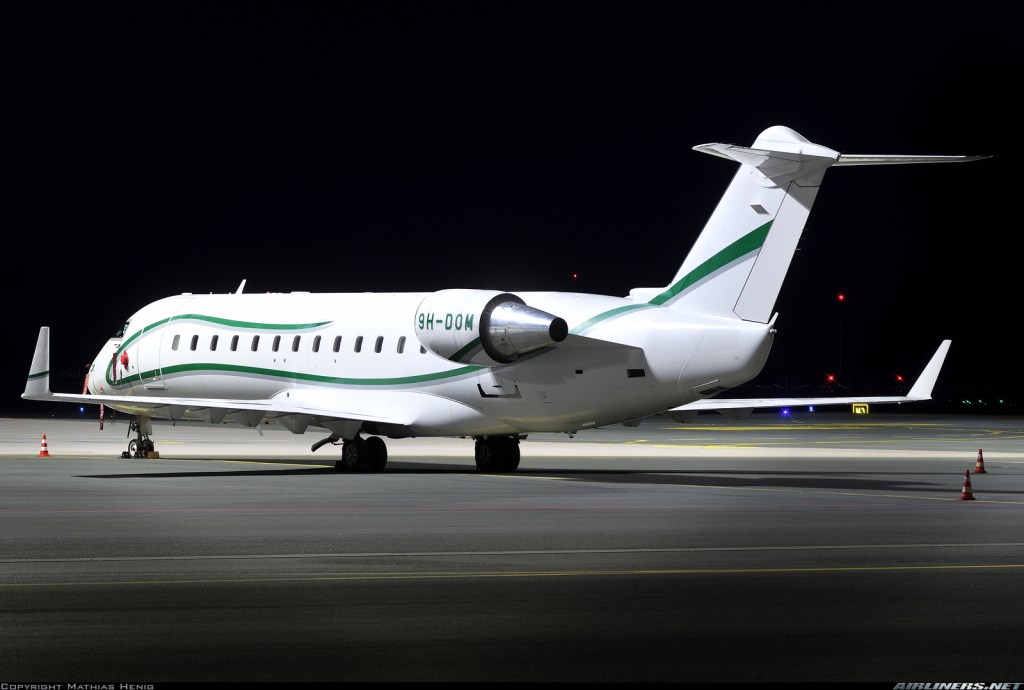
When distance ceases to act as a restriction, it’s no longer a filter. Opportunities related to time and cost remain in play; as timing becomes more precise, and presence is intentional.
The result isn’t just faster movement, but rather a difference in behavior.
You start to see a world where geography carries less weight, and proximity is no longer the primary factor in access. So, being somewhere isn’t defined by how far it is, but by whether you can justify being there.
This perspective is far from universal, because it’s selective and deliberate.
For someone else, distance still imposes trade-offs, from time away and financial costs to physical fatigue where the friction doesn’t disappear—it accumulates. And because of that, distance continues to shape what’s realistic. Two people can look at the same map and see entirely different sets of options. One sees it as a reach. The other sees the hassle of booking, time through TSA, flight delays, and a variety of events between packing and wheels-down.
And this is where the illusion sets in—not because distance is gone, but because its influence is not the same. For some, travel becomes background noise. For others, everything remains a deciding factor.
Private aviation doesn’t eliminate distance. It changes who has to account for it. And once you understand that, the conversation shifts—because distance was never about how far something is, it’s about who can treat it like it isn’t there.
-TK


