
Friday, June 5, 2026
There’s a layer of the NBA’s story most fans have never followed from a courtside seat or any broadcast angle. It starts in a quiet terminal where bags are lined up in perfect rows, sneakers in identical team-issued duffels, and a wide-body jet sitting on the tarmac, as if waiting for a pilot to move it.
But no. It’s been waiting for your favorite NBA team…
There was a time when NBA travel looked a lot less easy and more like survival. In the league’s early decades, teams moved the same way we all do today—but it was the 50s and 60s, when commercial aviation was in its infancy and team travel was managed by airlines like American and United, and regional carriers handling connections and delays. This led to players scattered across rows, and sometimes across entirely different flights. Equipment was shipped separately, and sleep came in fragments. As far as recovery, good luck—because it was whatever you could manage between cities.
The schedule didn’t care how players got there; the league just expected teams to arrive. This era of league travel wasn’t as glamorous as today’s tunnel-fit photos and vanity shows captured after a chartered flight. With fewer editorial needs for this transition, photos are likely buried in archives, kept by collectors, or no one cared—get to the action; imagery of how they got to the court is useless…
By the 1970s and 80s, that changed as charter flights entered the picture. But not in the way we understand them now. Teams began working with private operators such as Executive Jet Aviation (now NetJets), Rich International Airways, and other nationally known charter providers that could supply aircraft on demand.
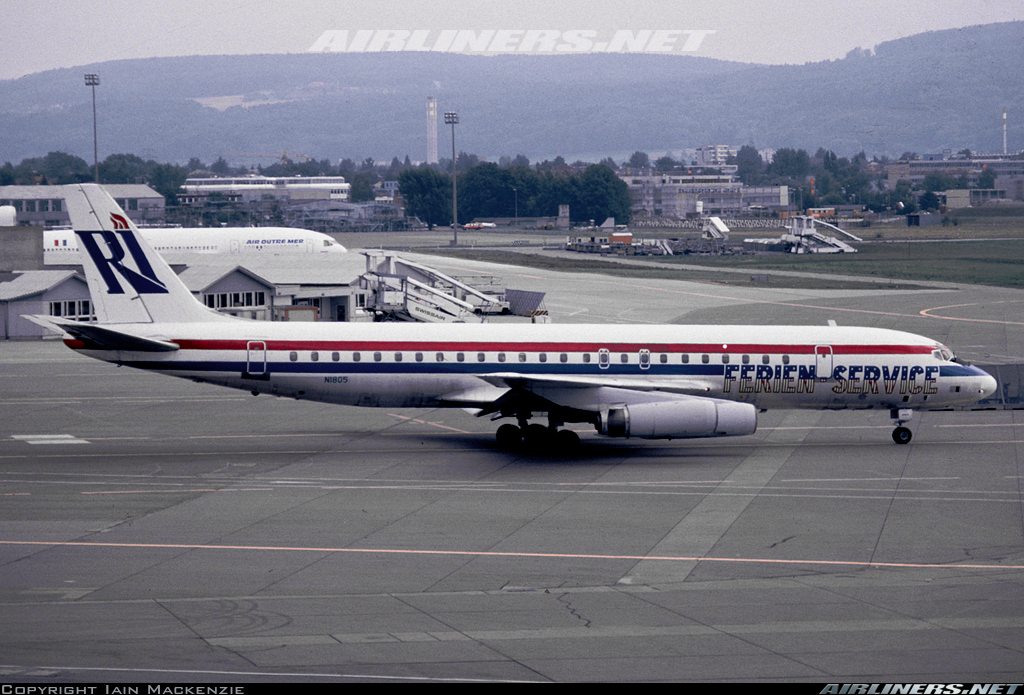
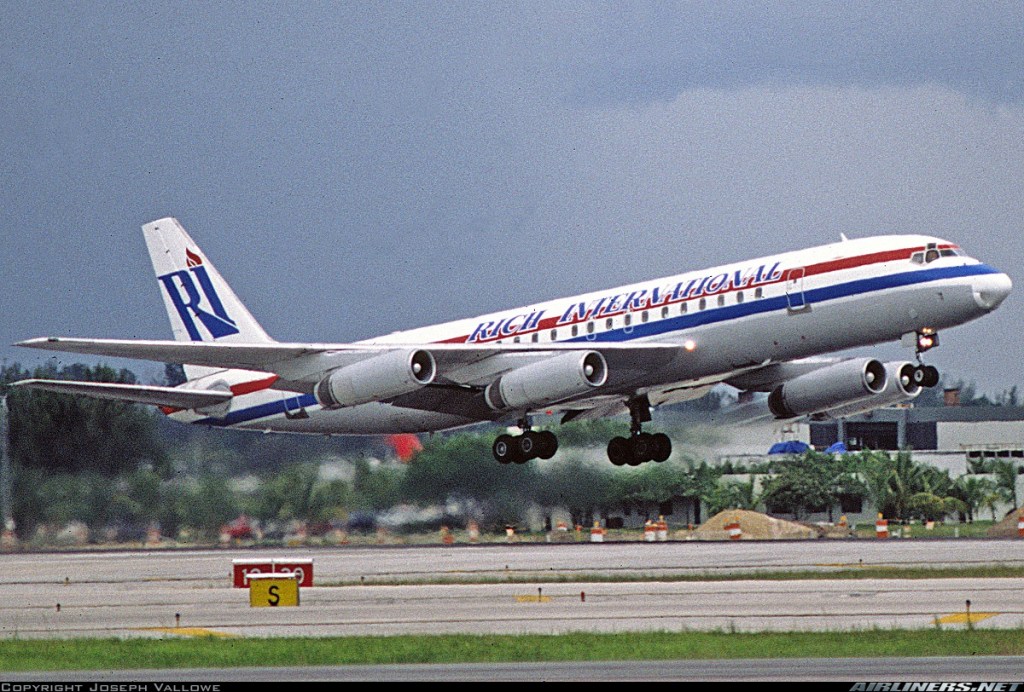
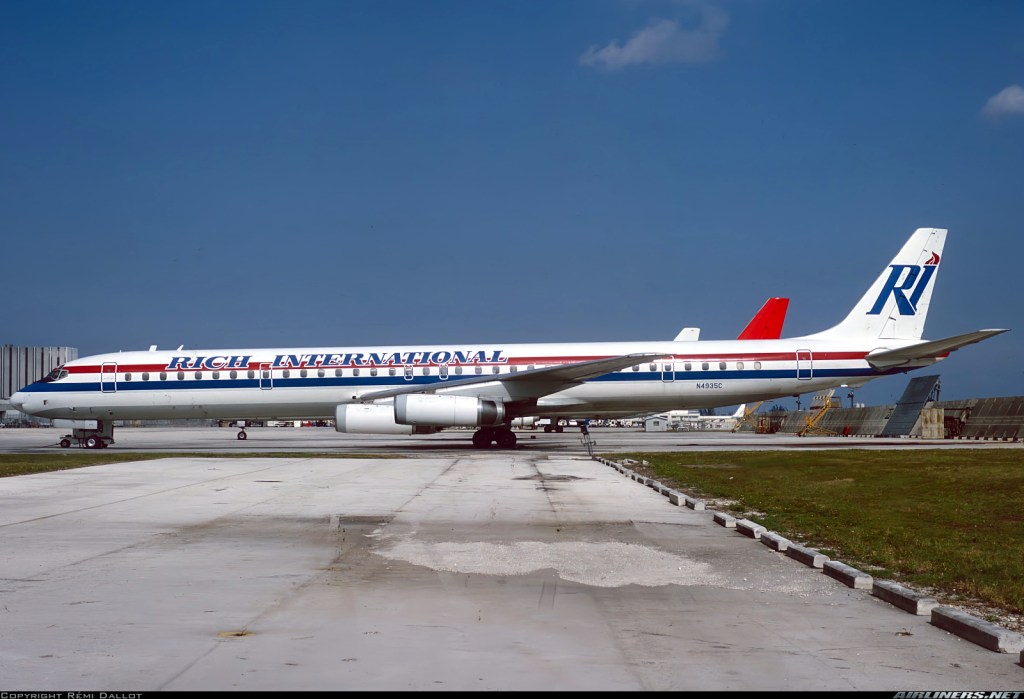
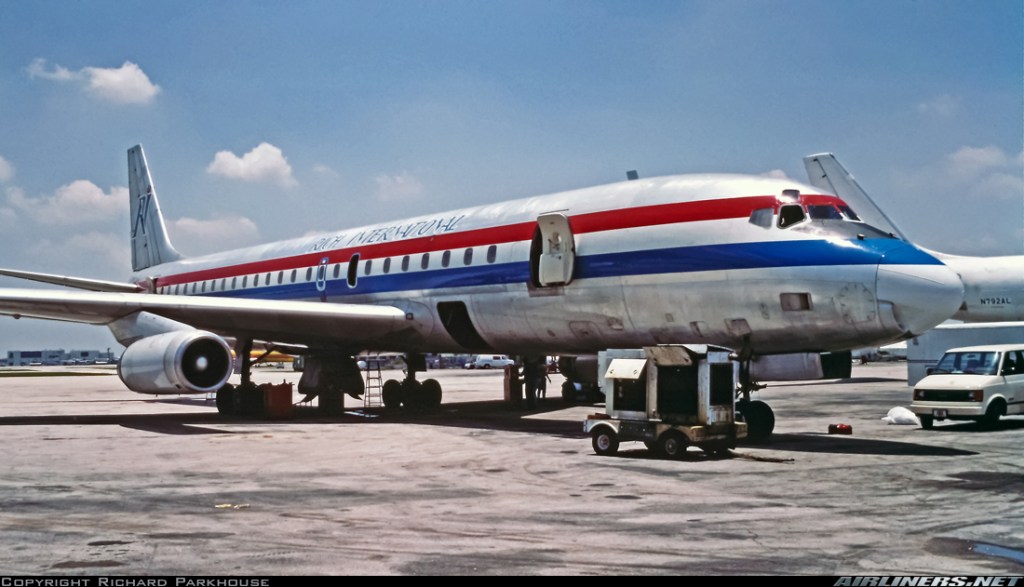
While some teams flew charters regularly, others did so only when the schedule demanded it. And many teams fell back on commercial travel when costs or availability got tight. The challenge, however, varied by aircraft types as interiors were standard, and departures were sporadic.
There was no system—just access.
The real shift came in the 1990s, when travel stopped being treated as an expense and became a competitive factor.
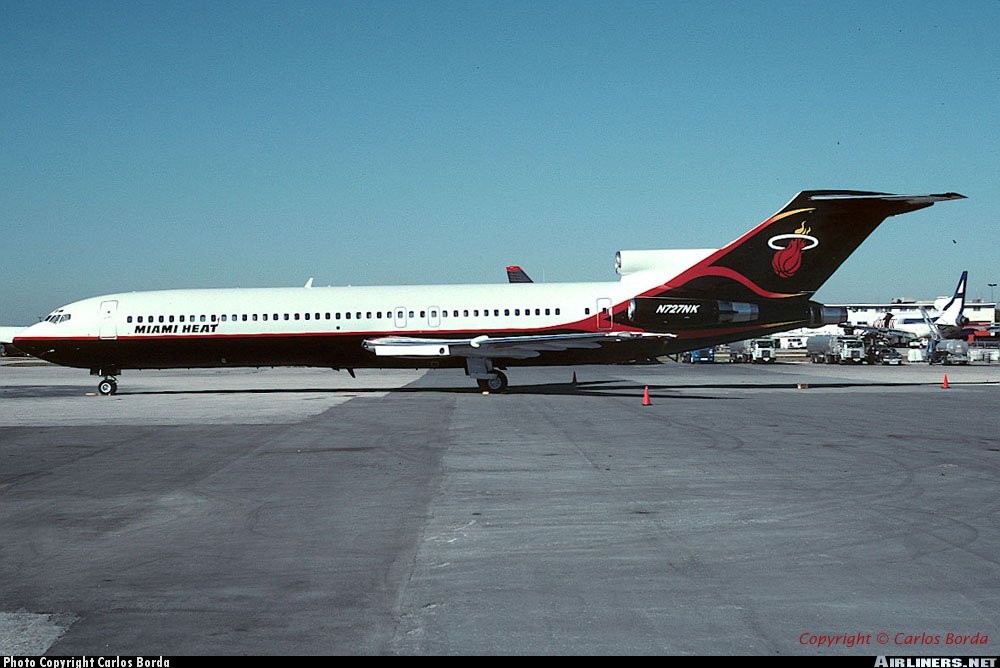
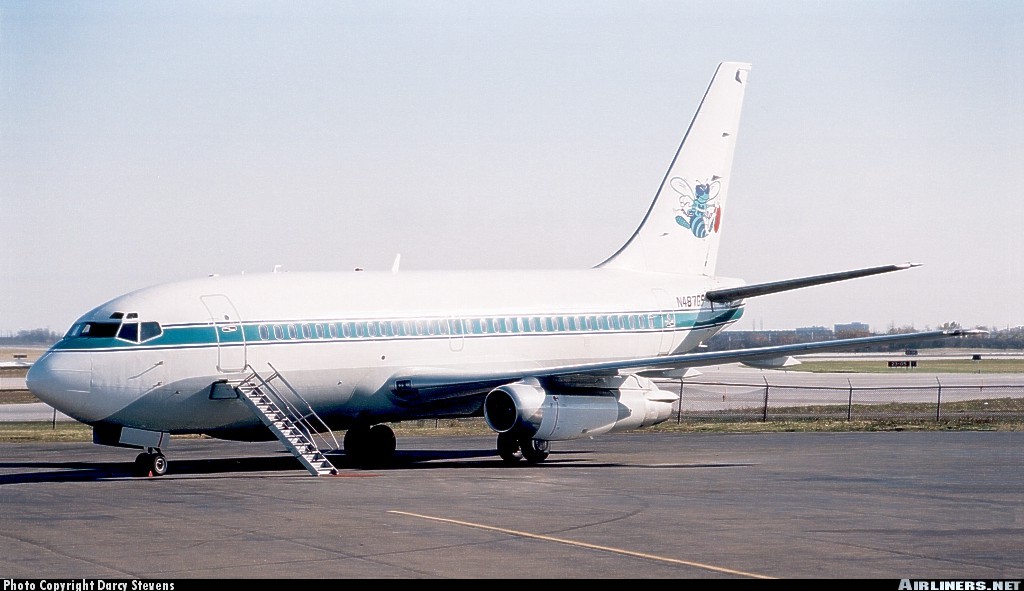
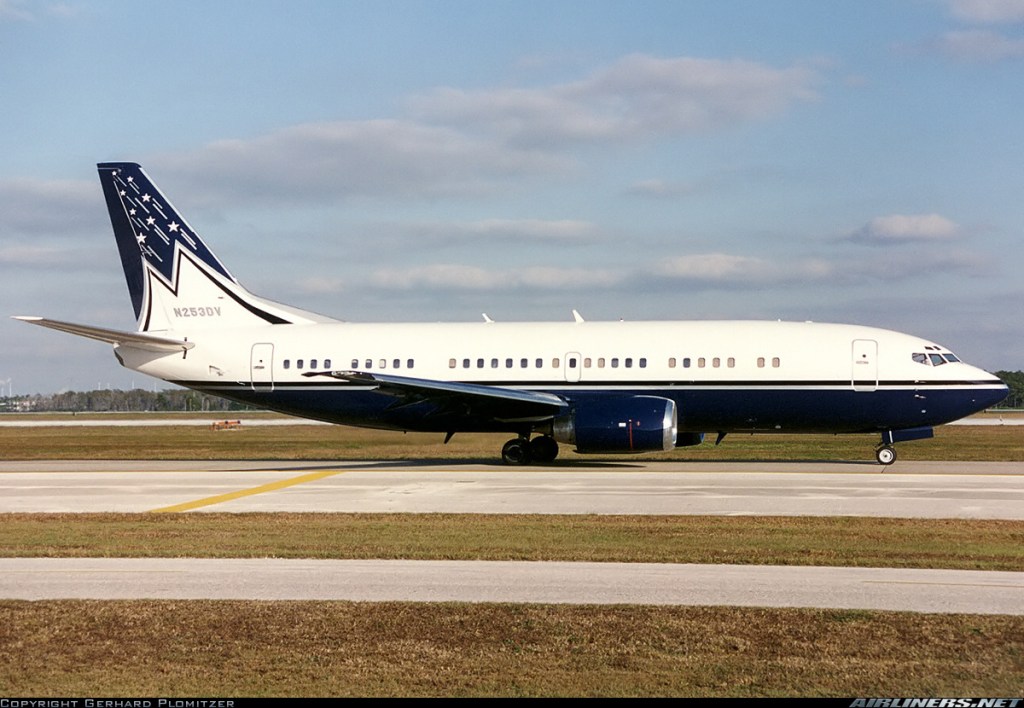
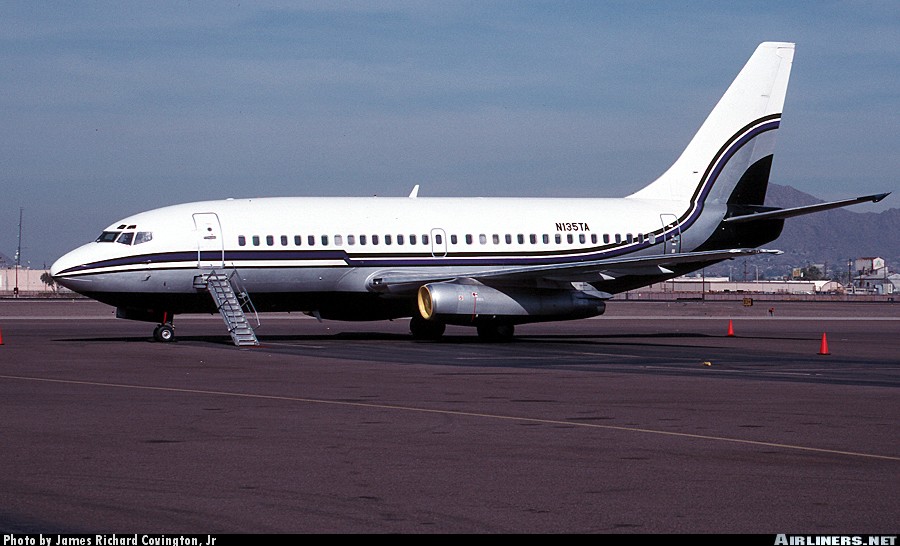
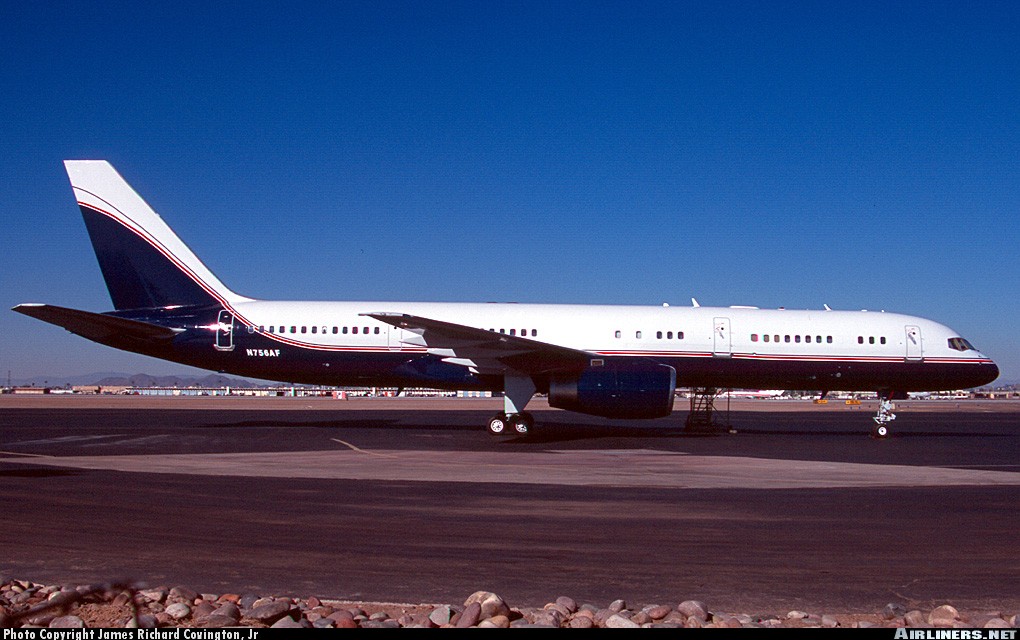
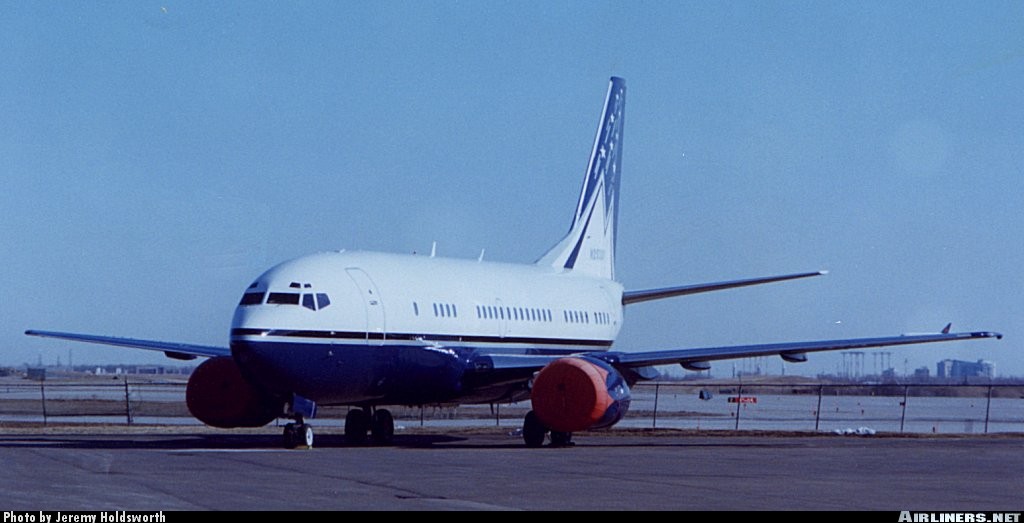
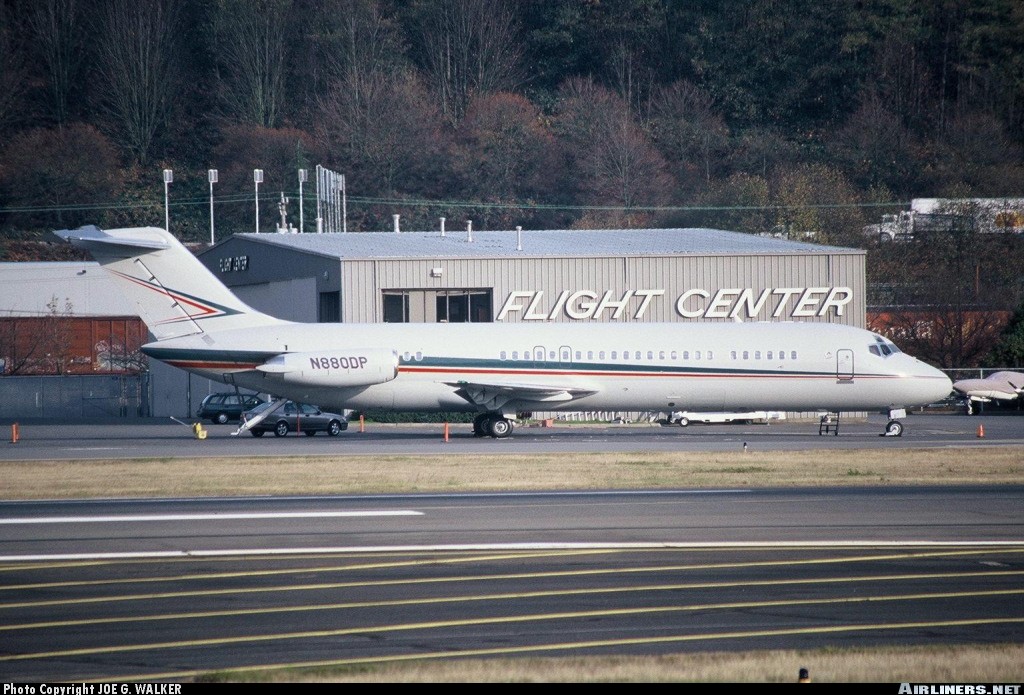
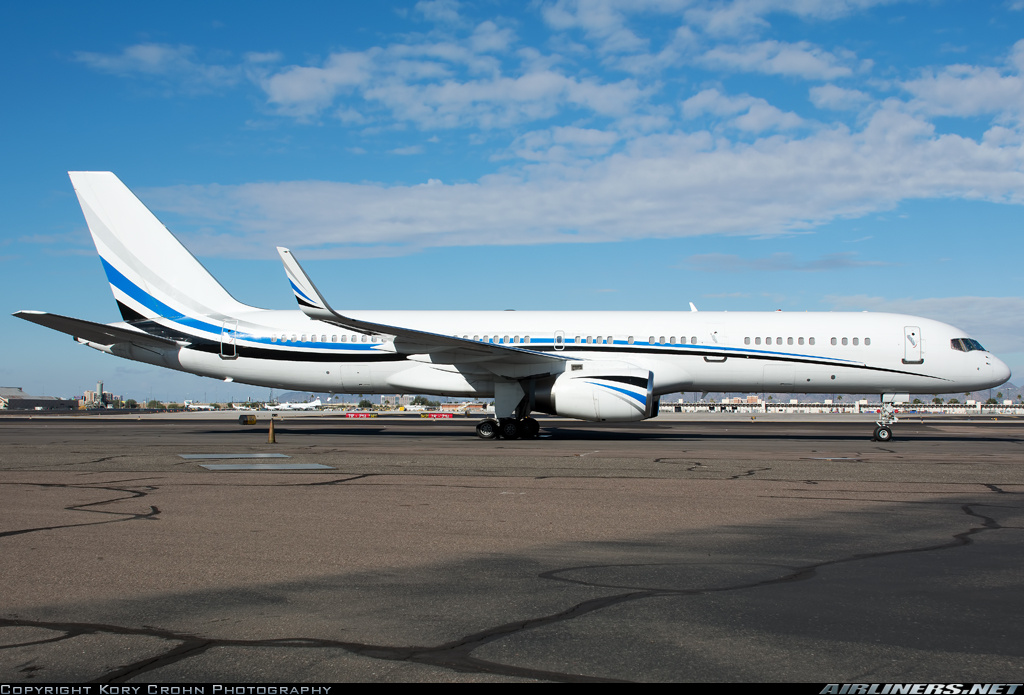
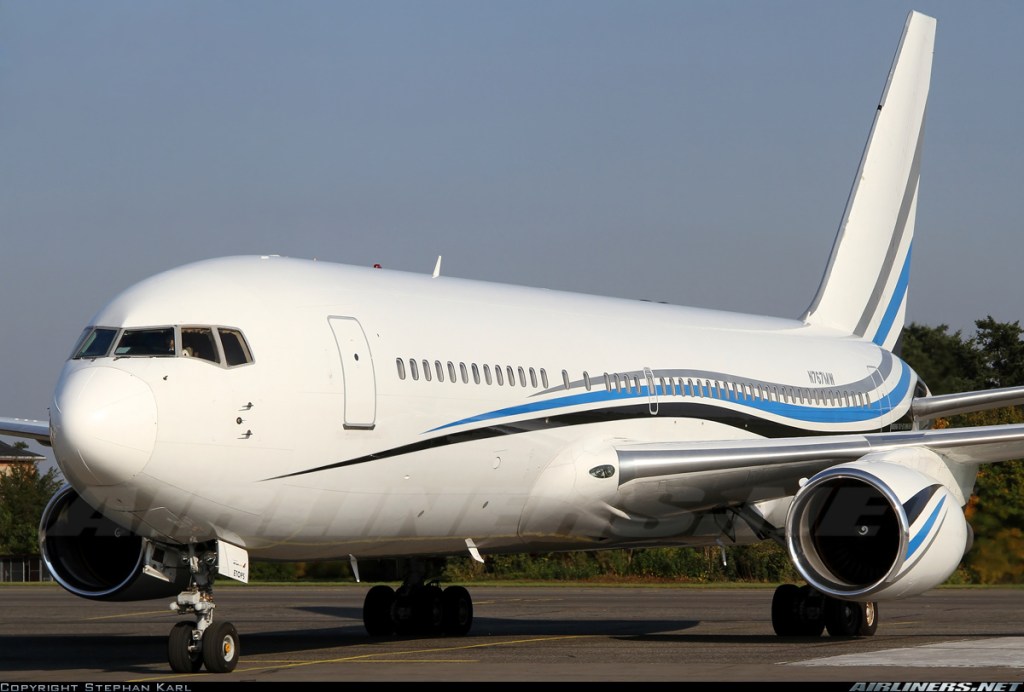
Teams began forming relationships with larger charter carriers like American Trans Air (ATA Airlines) and Champion Air—two operators that became embedded in the NBA and broader pro sports travel during that time. These airlines weren’t luxury brands, but reliable, yet older aircraft with dense schedules built around moving entire teams from city to city with fewer variables. That was enough to change the equation as back-to-back game nights, cross-country swings, and late arrivals began showing in the standings.
It wasn’t just an inconvenience; it was a competitive liability.
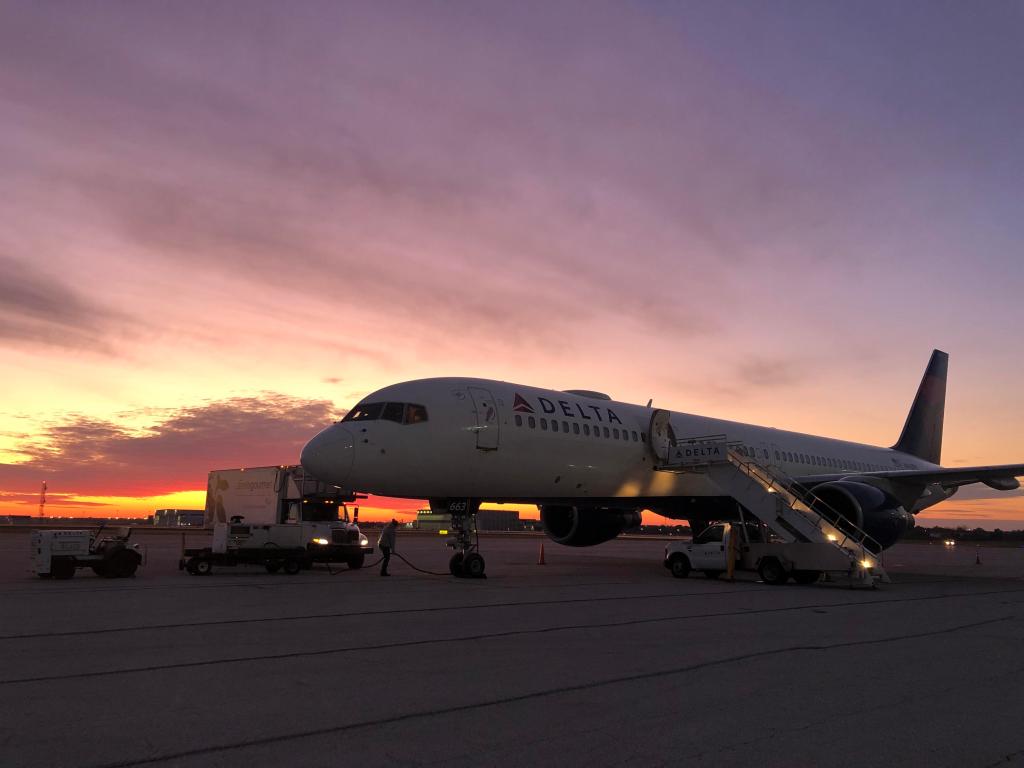
By the early 2000s, the structure tightened when ATA and Champion Air shut down, and the league shifted toward large-scale partnerships. That transition led to agreements with major carriers—most notably Delta Air Lines—which still, today, supports a league-wide charter system with consistency. Although the NBA is transitioning to a model using 13 customized VIP Airbus A321neo aircraft managed by Delta, today the workhorse of that system is a fleet of Boeing 757 and 767 jets.
As teams move through a coordinated charter network, they travel on modified aircraft designed for athletes, coaching staff, and media personnel. These are not luxury jets in the celebrity sense. They’re something more serviceable where teams are flying their recovering centers, and the seats are configured for legroom that respects human anatomy at 6’7” and above. And because of the league’s ruthless schedules, the cabin lighting is softer and much quieter. With fewer seats, there’s also more room to stretch, sleep, and rehab.
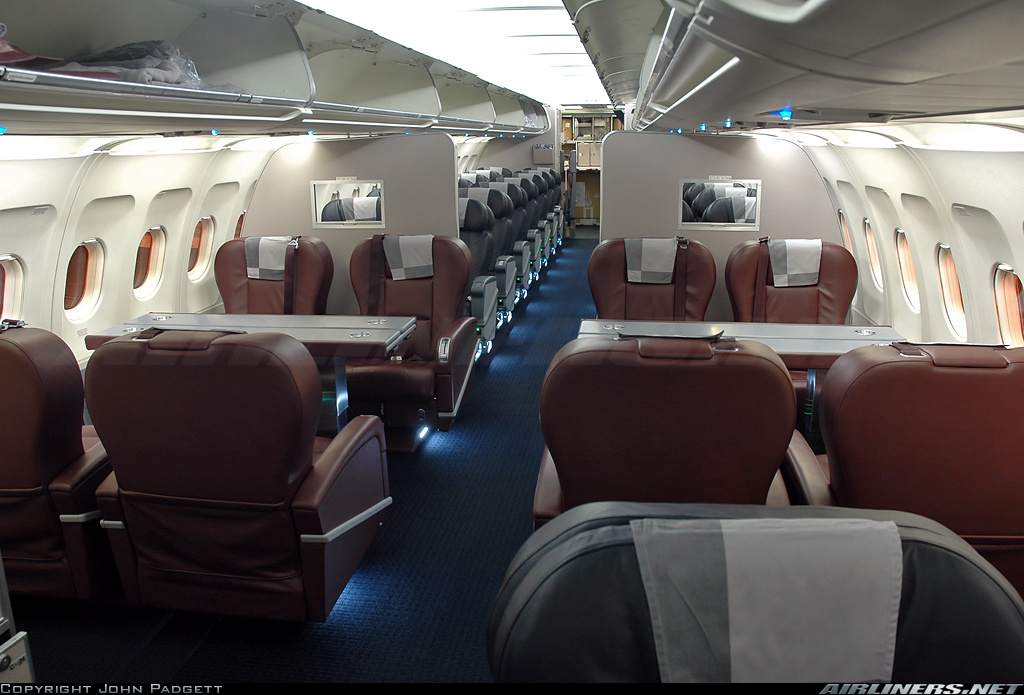
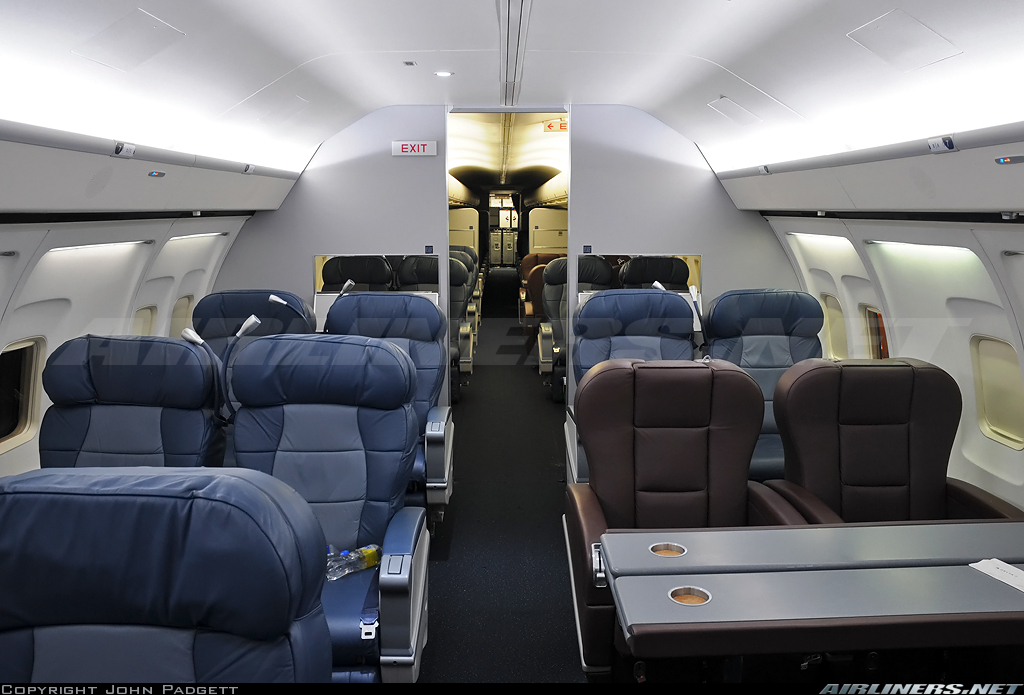
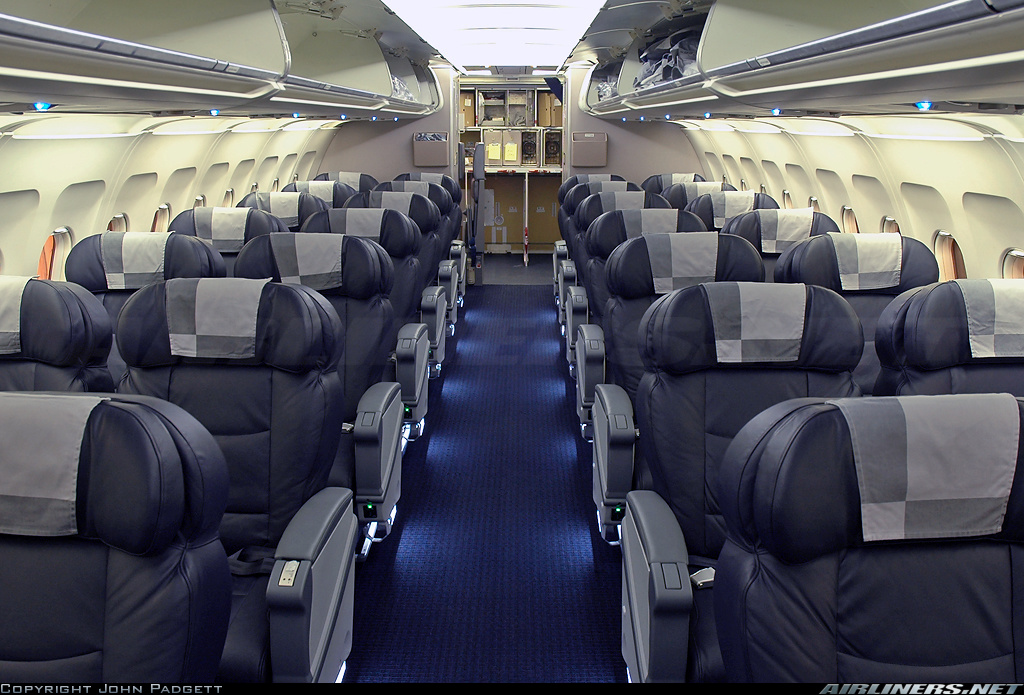
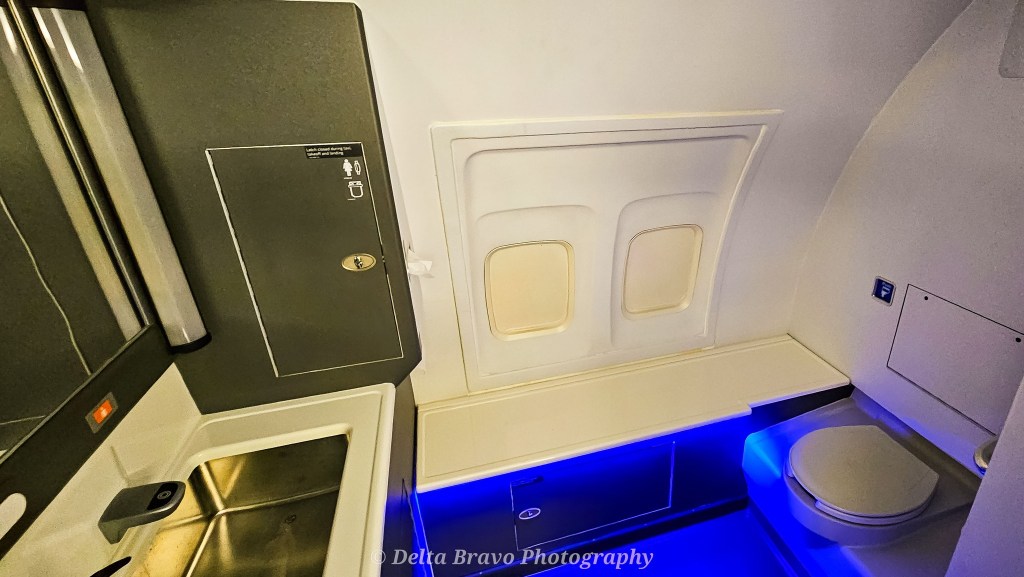
For players in the NBA, the plane isn’t just transportation; it’s the only consistent space in a season defined by inconsistency. One night you’re in Portland, the next you’re in Denver, and somewhere in between you’re trying to sleep before New Orleans while icing a knee, watching film, and mentally resetting for a game that will start before your body has fully understood you’ll be flying back to the west coast in 48 hours. The flight isn’t downtime; it’s an extension of protocol. And that level of control comes with a price.
The cost of chartering NBA teams runs the league hundreds of millions a year. And depending on distance, scheduling, and operational complexity, individual teams can spend anywhere from $3 to $5 million per season on travel alone.
It’s a massive investment. But teams aren’t just paying for comfort and convenience; they’re paying for the preservation of player health across an 82-game season, optimal performance on short rest, and the protection of continuity during a rigorous schedule. But because most teams operate on thin margins, control, consistency, and infrastructure are most important. And that travel expense moves from a liability to a necessity.
This travel story has always been there, just waiting to be lifted from beneath the wooden court. What’s assumed to be a luxury experience actually started as a problem. But like most things in this part of aviation, the cost only makes sense when you understand what’s solved.
–TK


