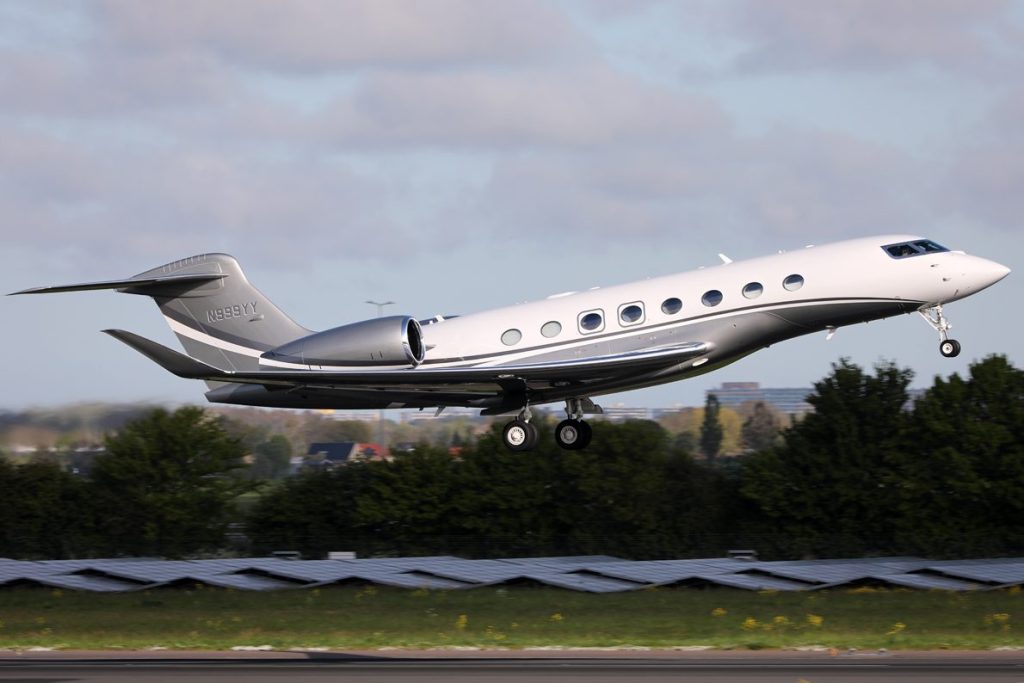
Featured photo taken by Erwin van Hassel
Thursday, June 18, 2026
A private jet on the ramp looks like ownership. But more often than not, it’s just access.
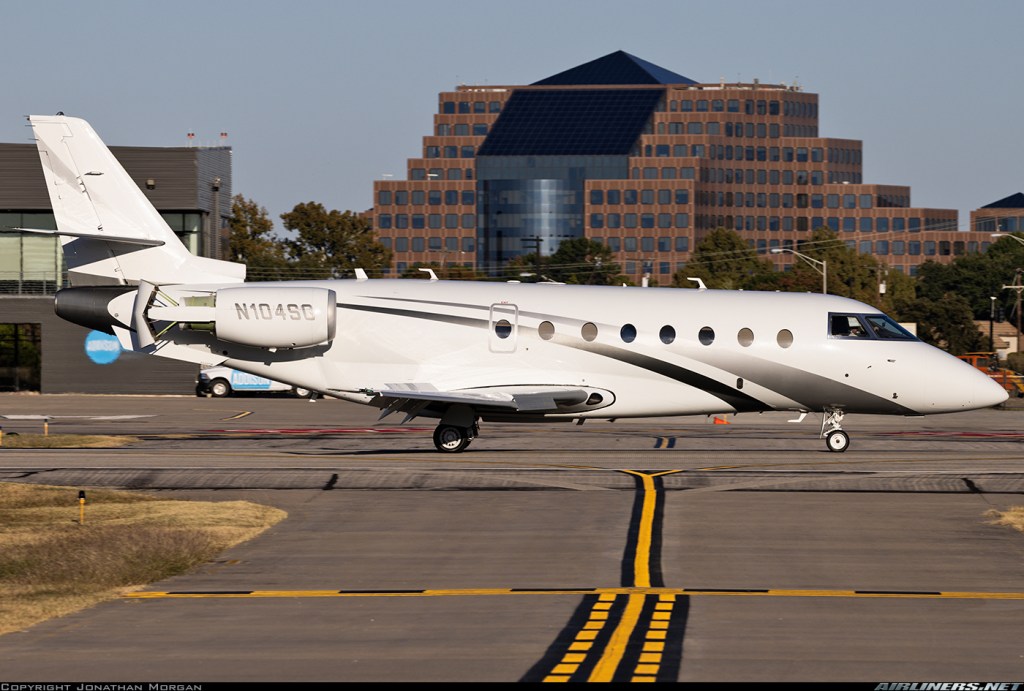
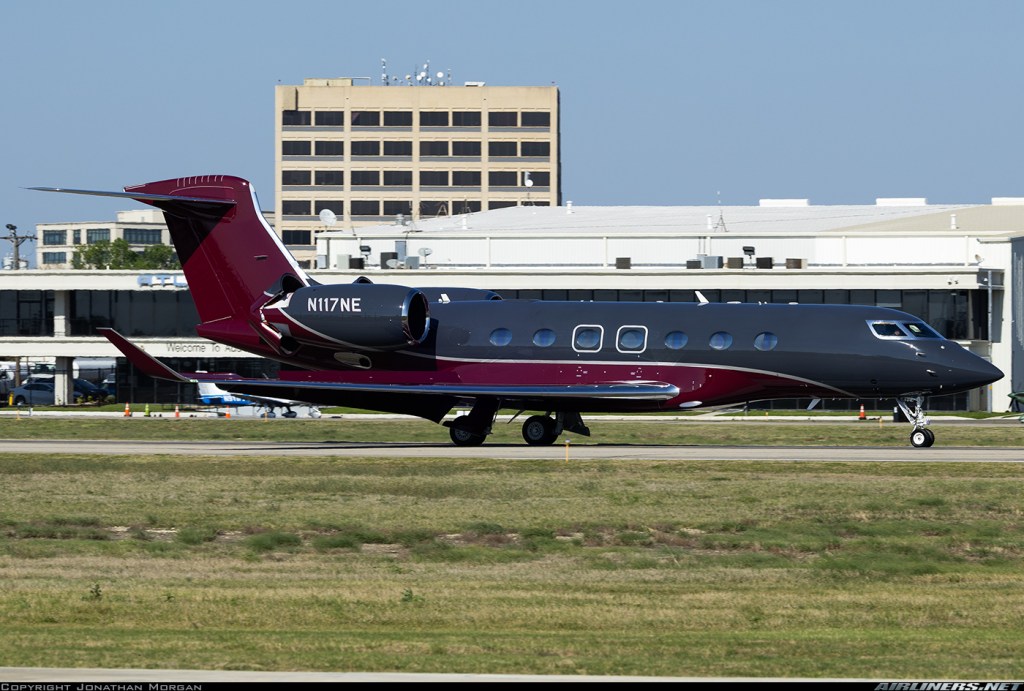
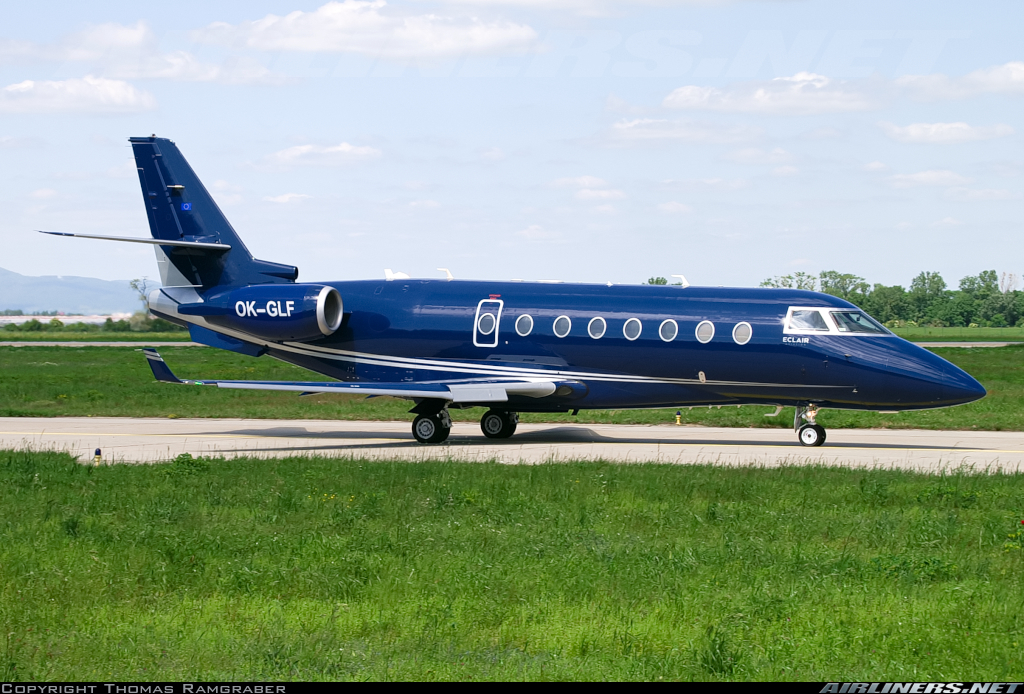
Some aircraft are owned outright by individuals or corporations that need complete control. The jet isn’t just transportation; it’s a vital part of the company’s infrastructure. And as a vehicle built into how they operate, move, and make decisions, the aircraft is not so much a liability, but a resource for connecting what keeps the company moving efficiently.
Full ownership comes with weight—considering maintenance, crew, scheduling, and storage. It’s not just flying; it’s managing an expensive asset. But this is the main reason not everyone who flies private chooses to own an aircraft.
Some buy into fractions, which are shares of an aircraft, giving them guaranteed access without carrying the full responsibility. It’s structured, predictable, and efficient.
Others charter. There’s no ownership here. Or long-term commitment. Just access when needed. One trip, and one mission at a time.
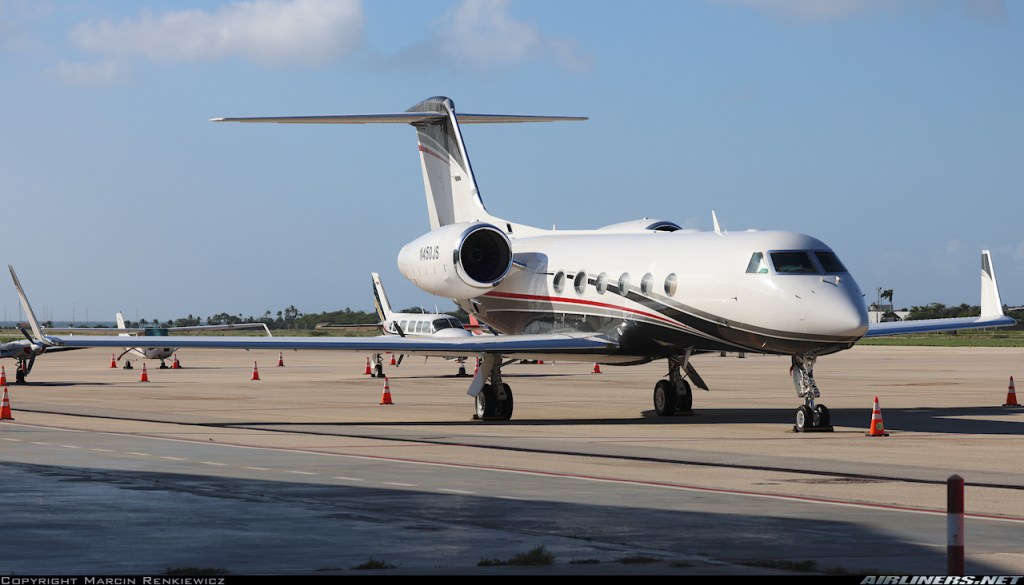
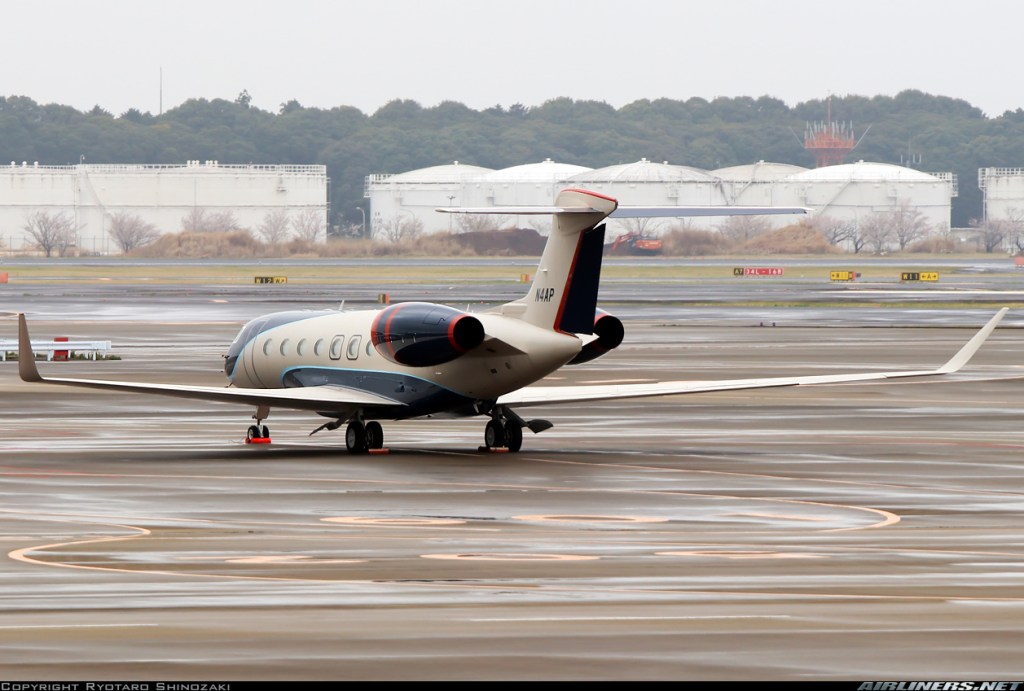
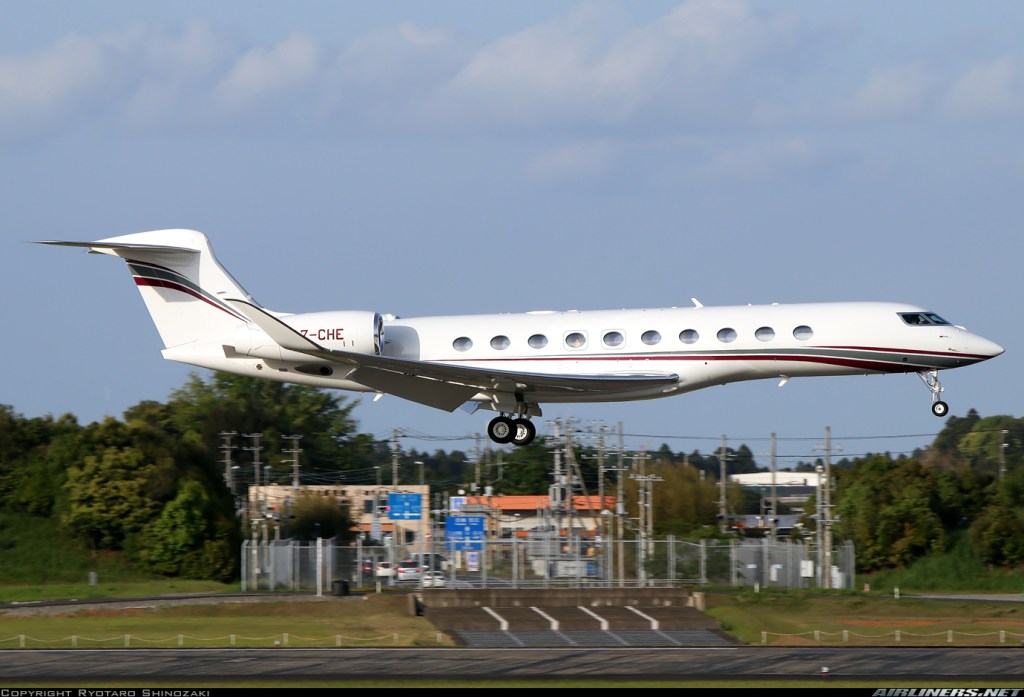
And here’s where it shifts.
The person stepping onto the aircraft might not own it. Neither does the company that books the flight. But they’re still the ones using it to solve the problems of time, alignment, and being present where they need to be without delay.
That’s the distinction most people miss. From the outside, a jet looks like a symbol. On the inside, it’s a solution. And the closer you get to this side of aviation, the clearer it becomes. Ownership is control of the asset; usage is control of time. Those who understand that best are not chasing ownership.
They’re leveraging access.
Because in business aviation, value isn’t in possession. It’s in precision.
–TK


