
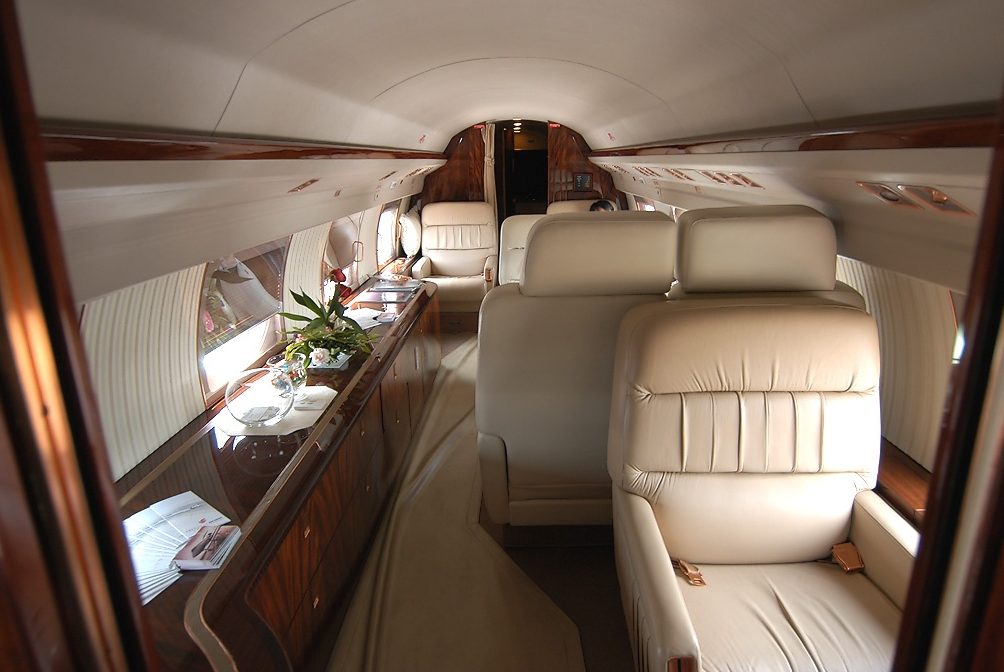
Featured Photo by Tango3 – Team Ninervictor
Monday, May 25, 2026
Private aviation is often described as luxury travel. That’s not wrong—but it’s incomplete. To everyday passengers, it’s a niche corner of travel reserved for a very specific kind of person… celebrities, CEOs, billionaires, and avgeeks who pay close enough attention.
I’ve spent enough time in the aviation world to see how that assumption doesn’t always hold up. The reality of who’s actually flying in these jets is far more complex.

Yes, high-profile people are making private aviation popular—people whose names carry weight in rooms the average person will never step into. But high-profile passengers aren’t the majority of those who travel private; they’re just the most visible.
It’s often executives moving between cities for the day. Teams trying to stay aligned across time zones. And business owners protecting something more valuable than comfort.
Continuity. And more importantly, momentum…
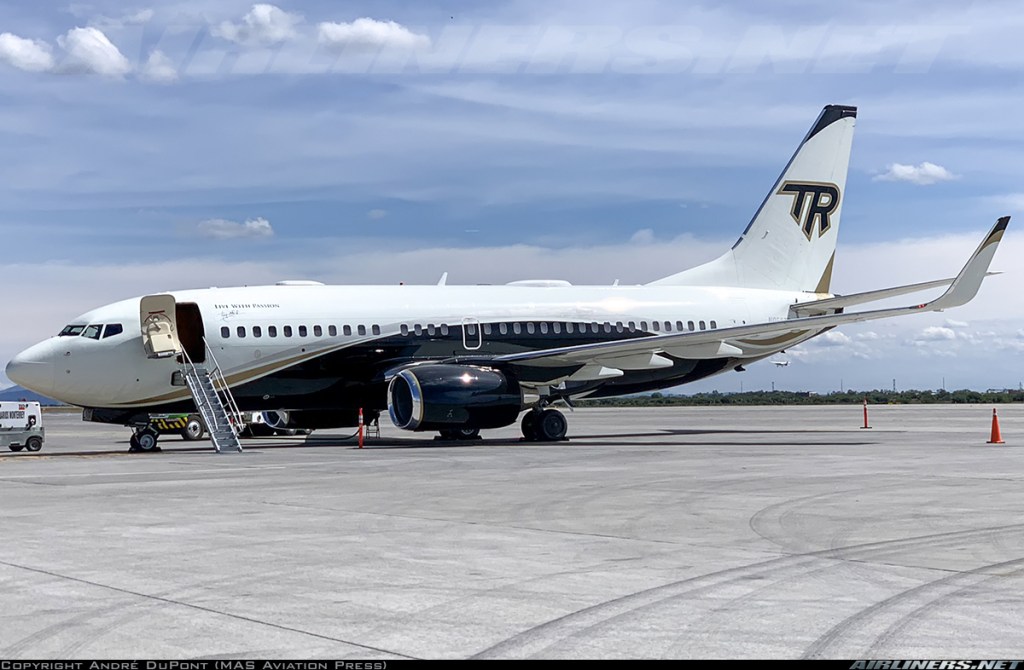
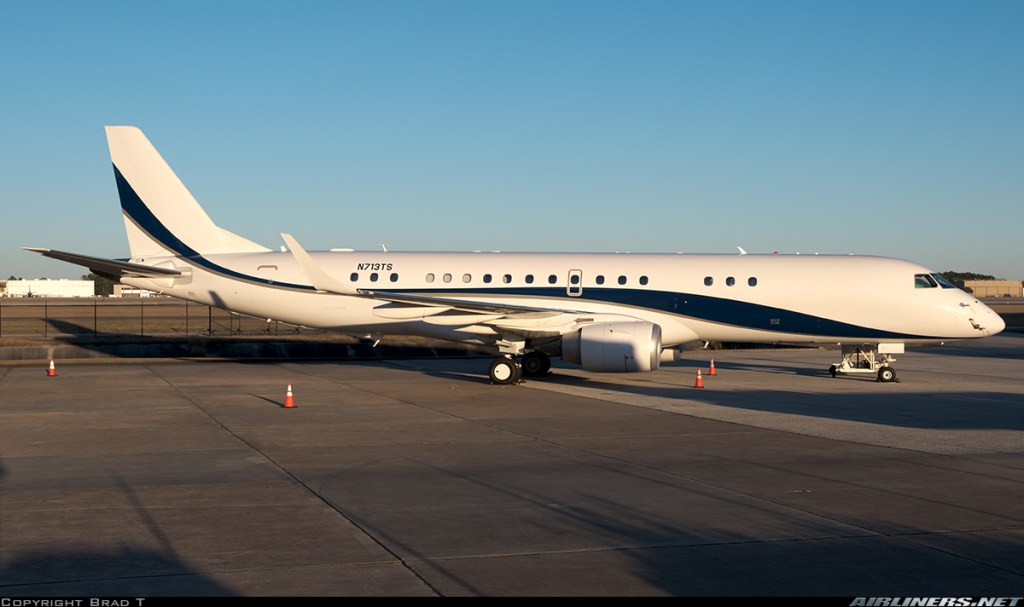

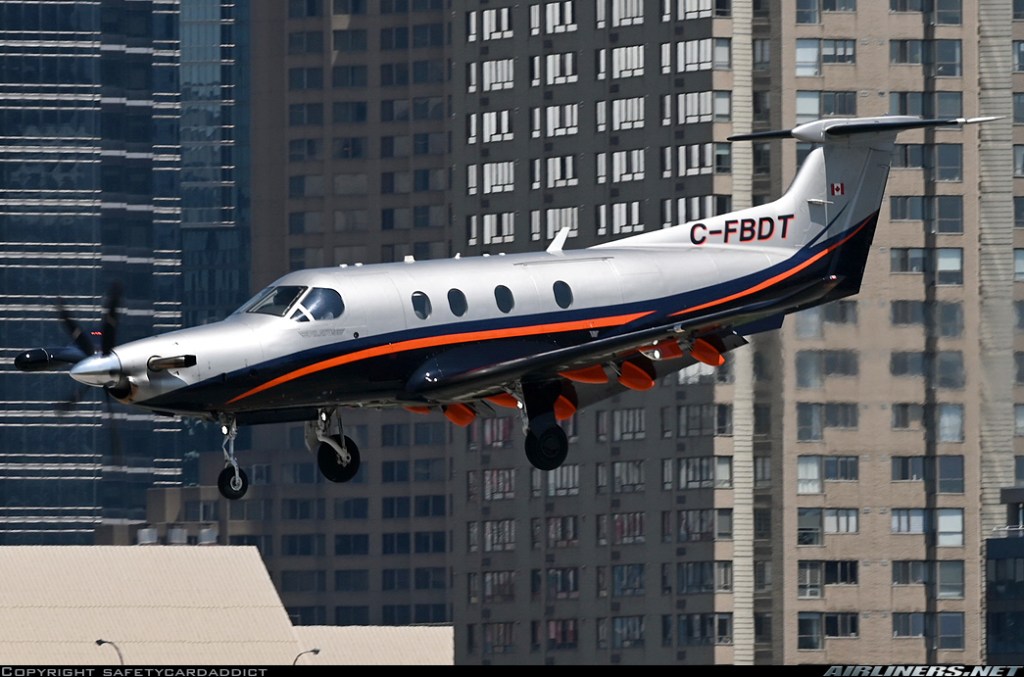
Companies don’t fly private only for convenience. They do it for efficiency and for time that cannot be recovered once lost. And then there are moments people don’t talk about as much: medical flights, organ transplants, and families needing to be somewhere now, not later. These situations are where time isn’t just money; it’s critical.
There’s a spectrum within business aviation, like charter clients, private jet memberships, fractional owners, and corporate flight departments. Each with a different reason for being in the air, but all solving the same problem: Time, access, and control.
The cabins might be quiet, exteriors minimal, and movements discreet. Because once you’re close enough to see it clearly, private aviation stops looking like a luxury product and starts becoming an infrastructure.
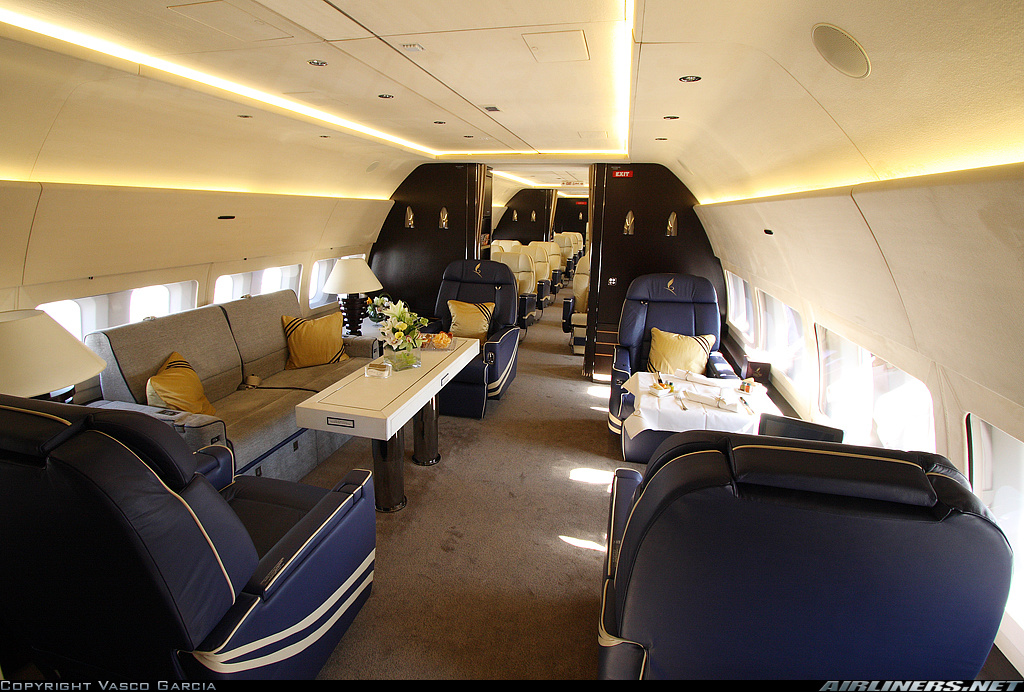
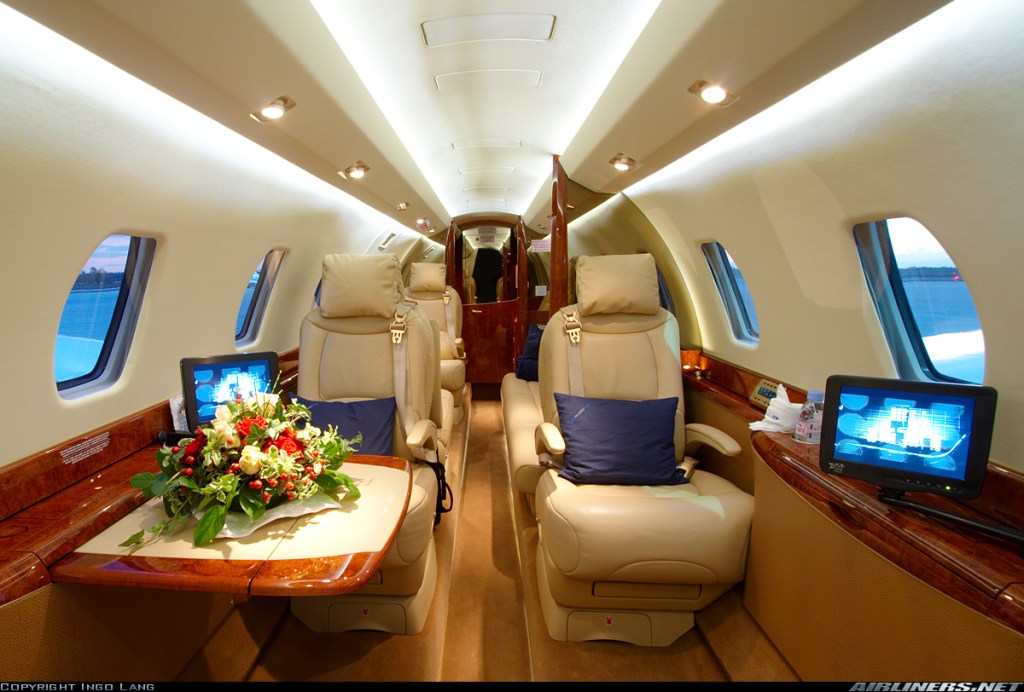
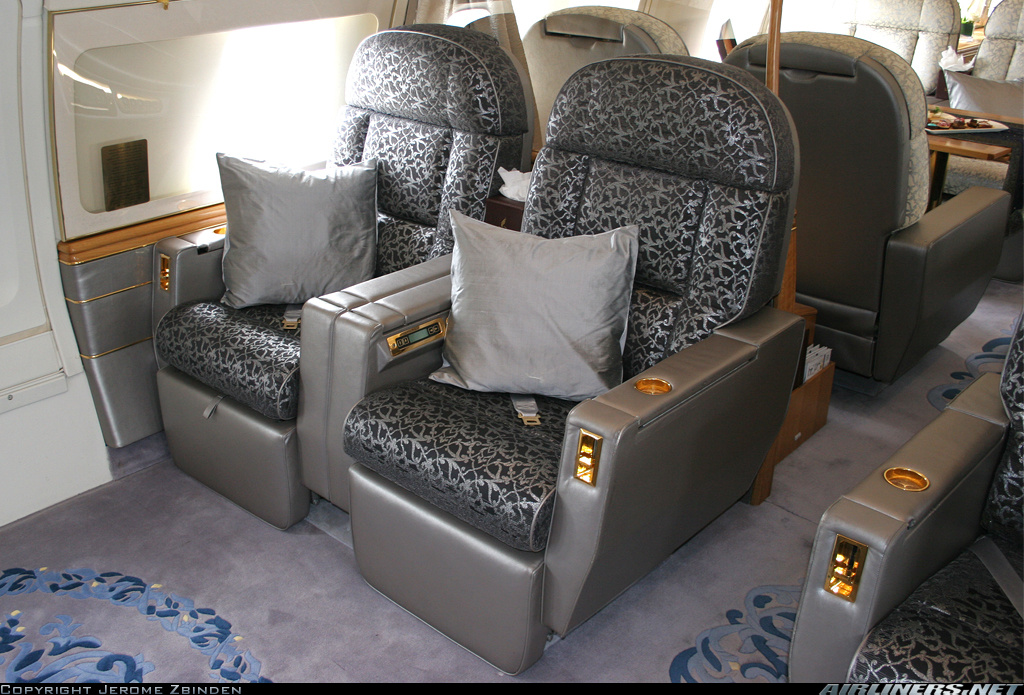
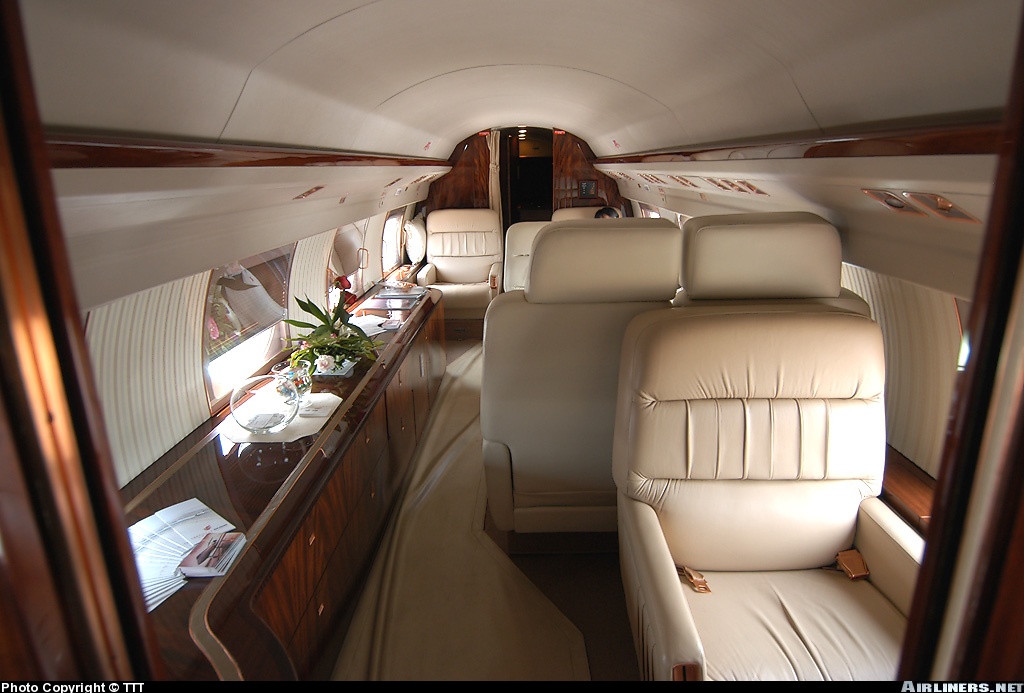
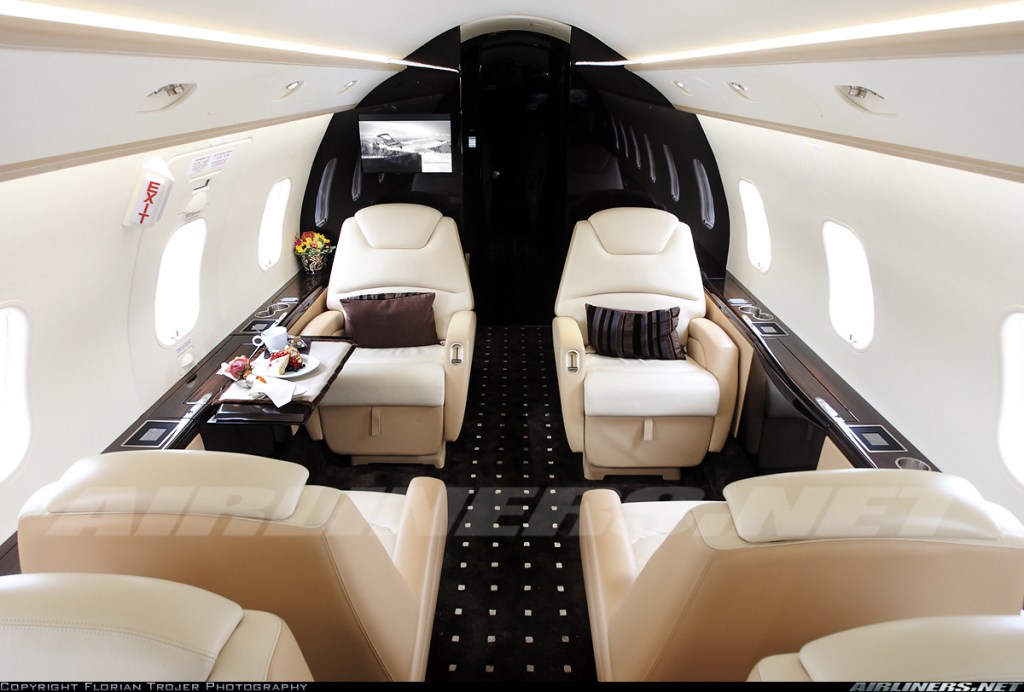
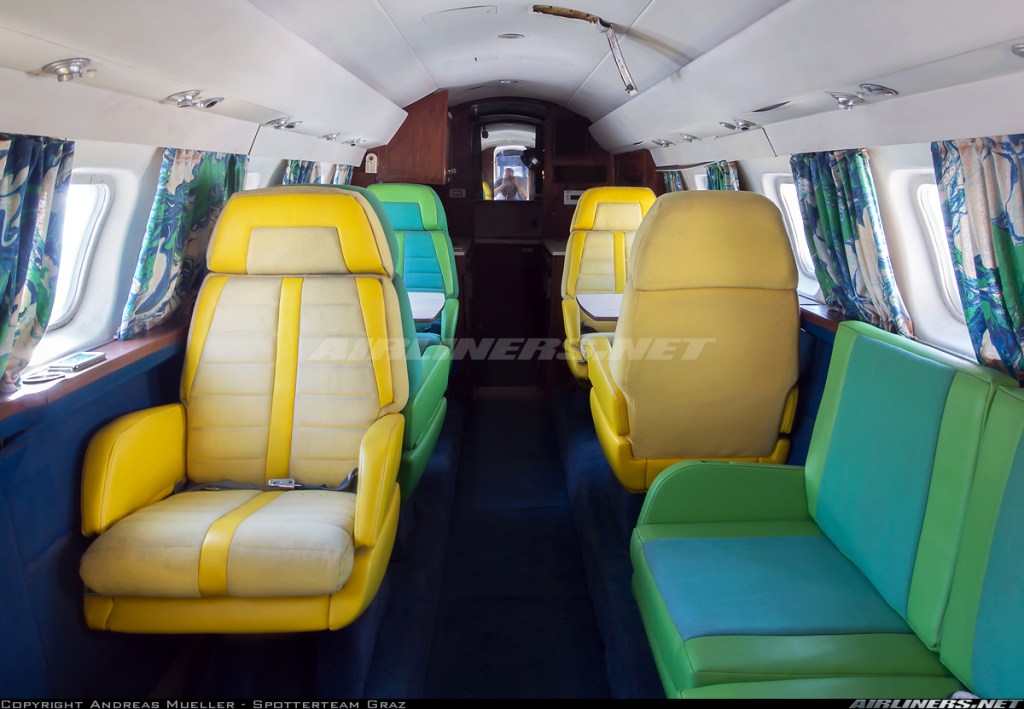
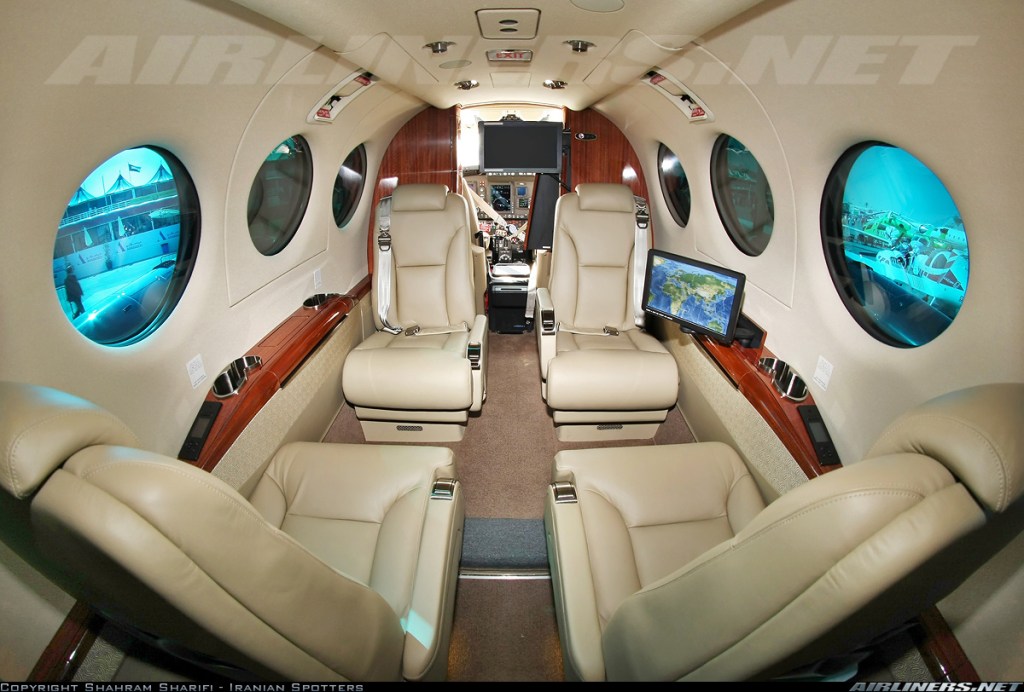
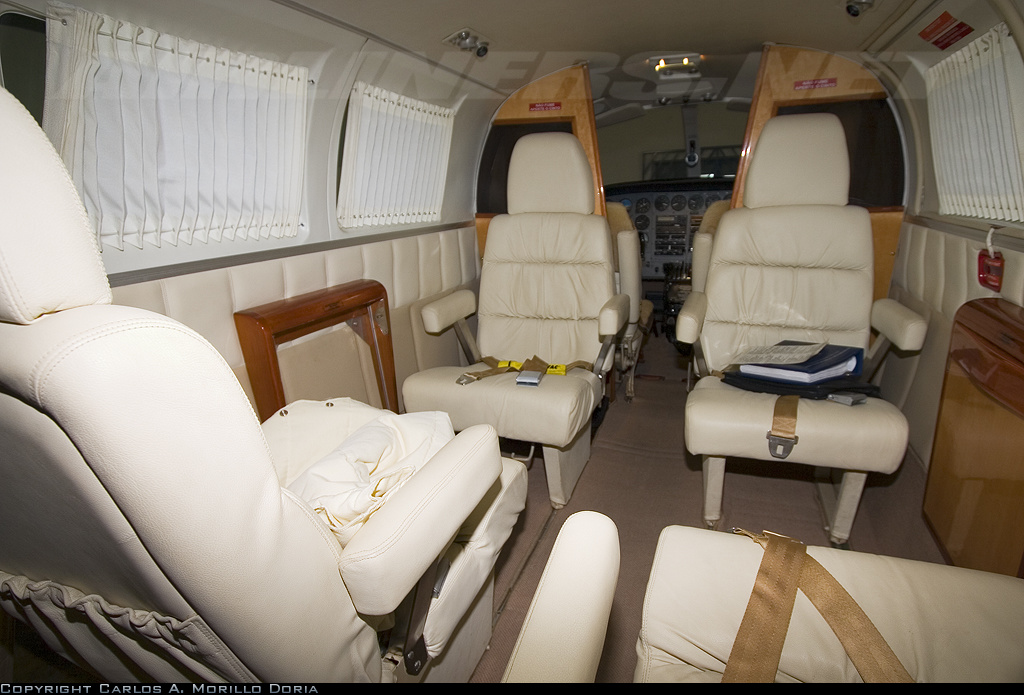
So when you see a jet on the ramp, don’t measure it in cost, measure it in urgency. Because in this world, the real variable isn’t price, it’s necessity.
–TK


