Featured Photo: Fast Air | Business Aviation
Monday, May 11, 2026
Experience, mentorship, and networking all shape an aviation career. But the foundation often begins with the programs professionals trust for training, certifications, and flight preparation.
First off, welcome to BuddWrite’s Airspace, where everything’s in the air from here…
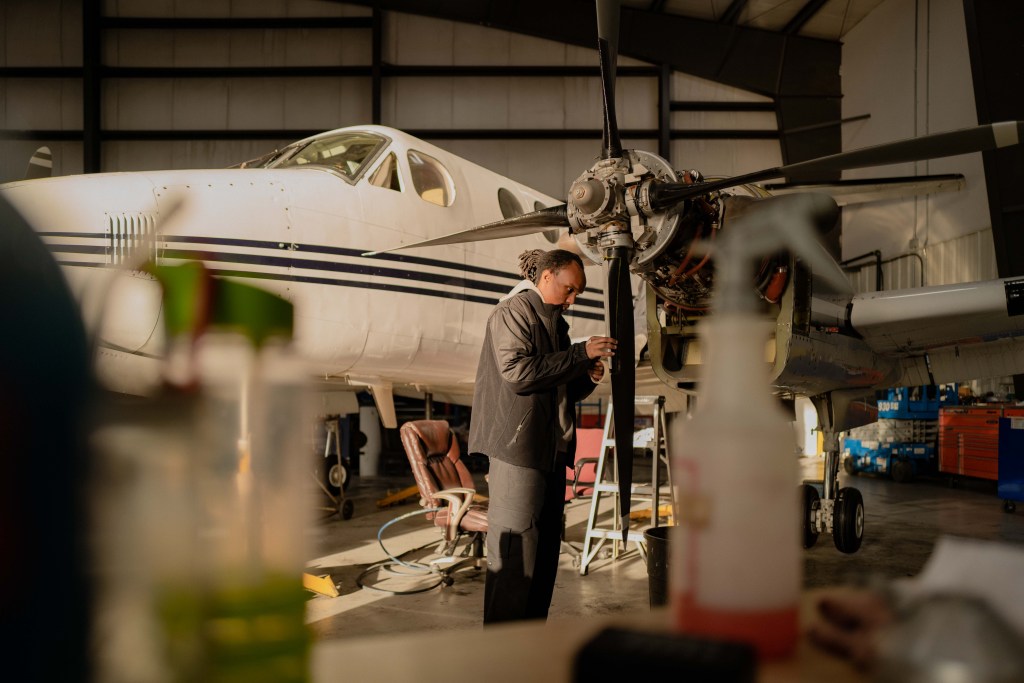
Last week’s conversations were about better positioning aviation technicians, student pilots, and aeronautical professionals after completing their certification programs. For privacy purposes, I won’t share which colleges I’m working with, but one in particular, with many campuses across the country, is known for its strong preparation for the field of flight.
After flight began with the innovators, it was taken by the risk-takers who knew the people willing to say, “Okay, I’m on board.”
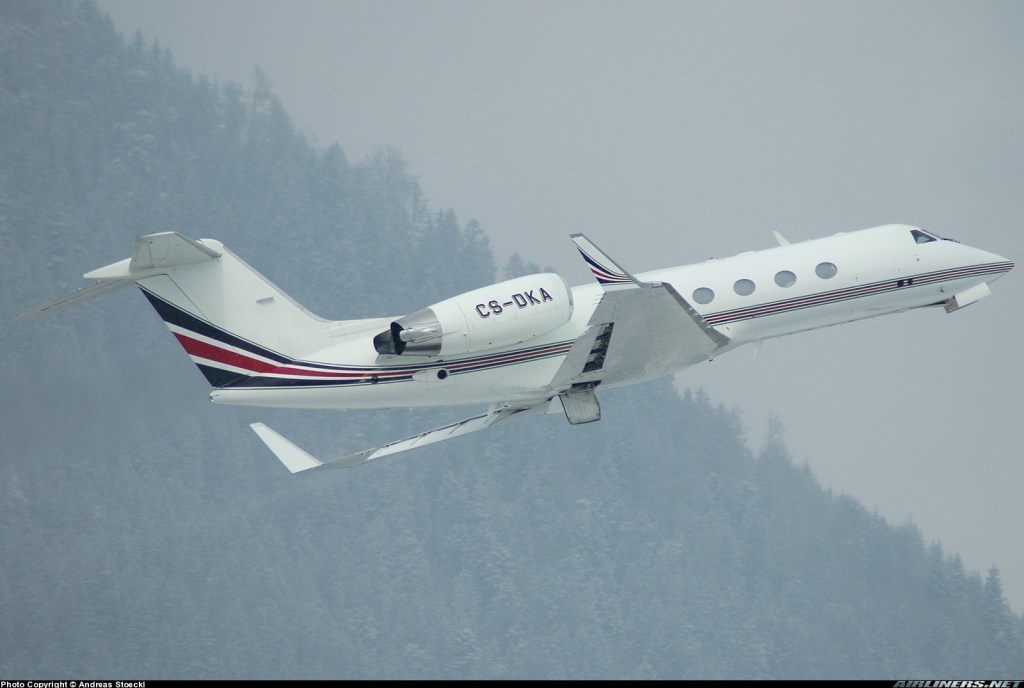
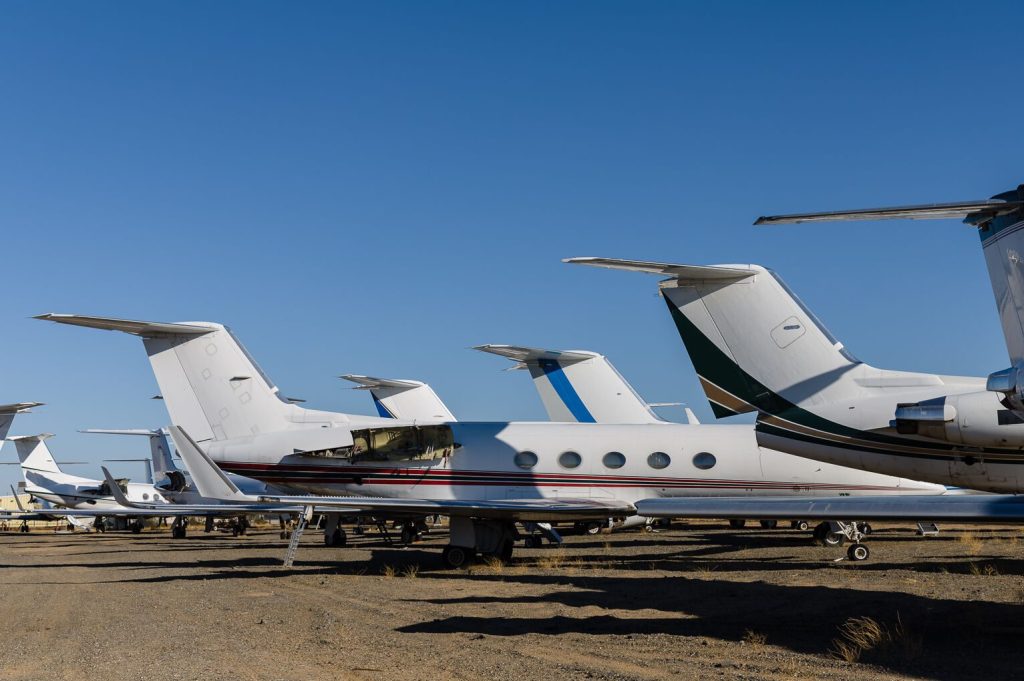
Decades later, aviation still depends on those same instincts—but now, it also depends on the technicians, mechanics, engineers, and pilots responsible for keeping the flying pieces of metal operating long enough until lessors and lenders send them to Goodyear, Arizona, to fry. But for those remaining A340’s willing themselves to 35,000 feet by all four engines, do so because of the professionals trained to value precision over shortcuts—and safety over apologies.
The future of business aviation won’t only be shaped in boardrooms, hangars, or at 35,000 feet. They’re shaped in classrooms—and in the training facilities that companies invest in because they understand the cost of being unprepared.
Every aviation technician learning to troubleshoot under pressure, every student pilot practicing a crosswind landing, and every young professional deciding whether this industry is still worth pursuing, becomes part of the next era of flight. And that matters more now than ever, especially as industry trends continue shifting—who’s buying, what’s moving, and where it’s going.
Business aviation is no longer just competing on aircraft performance or luxury. It’s competing for people. Aviation is competing on who can retain skilled technicians, develop reliable pilots, and build organizations that younger generations actually want to grow with.
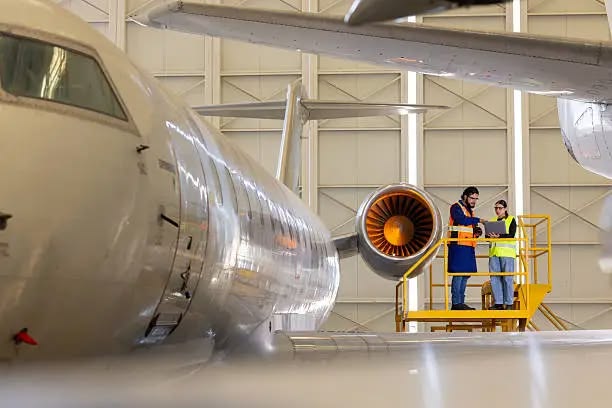
And while the industry continues talking about shortages, demand, and the future workforce, many of those solutions begin with the institutions trusted to prepare them. The strongest aviation programs don’t just issue certifications; they instill confidence, preparedness, and professionalism.
In business aviation, especially, where trust and precision are everything, that foundation follows professionals long after graduation.
–TK


