Featured Photo by Georg Noack
Monday, May 18, 2026
The majority of private jets look the same. Mostly clean, often white, but with a minimalist overall paint job. When parked side by side on a tarmac, it can feel like you’re looking at different versions of the same aircraft, each having a subtle difference in striping, or maybe a strike of color near the tail.
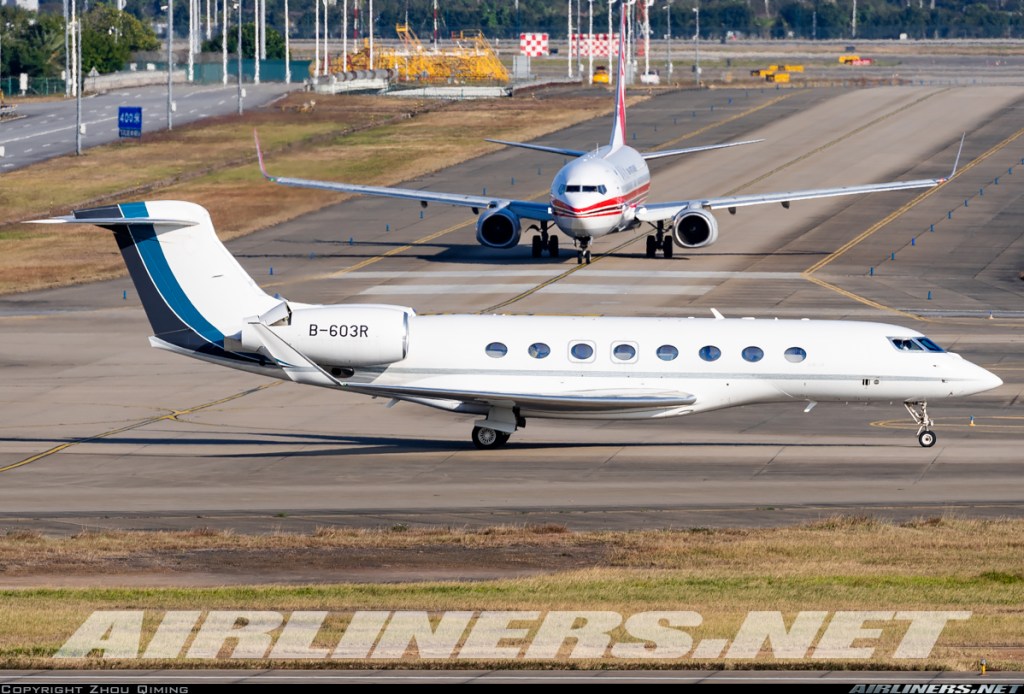
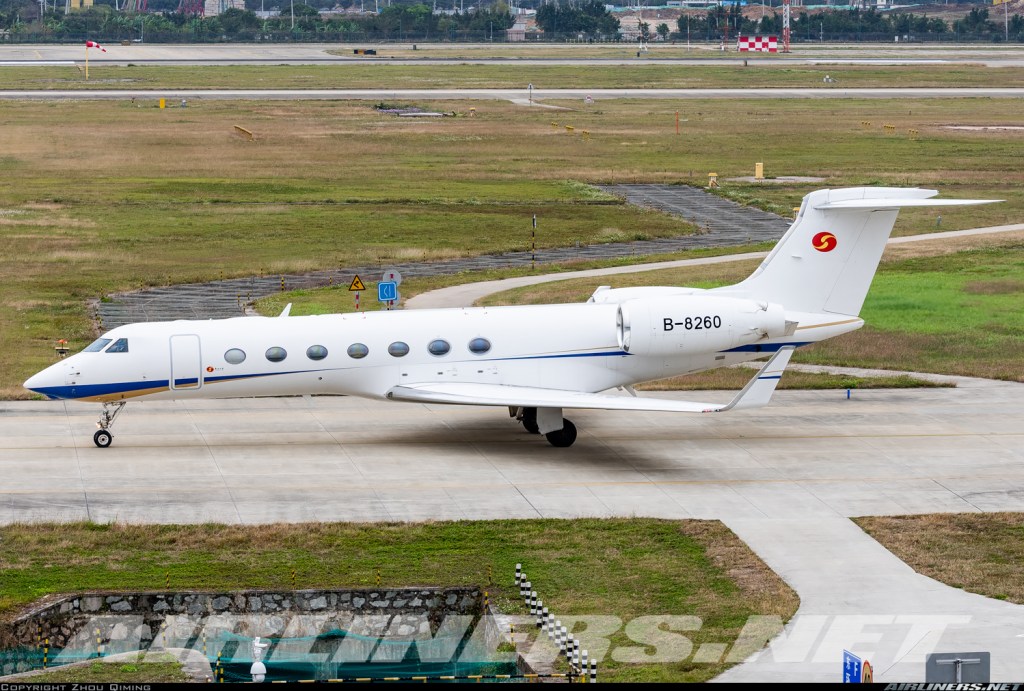
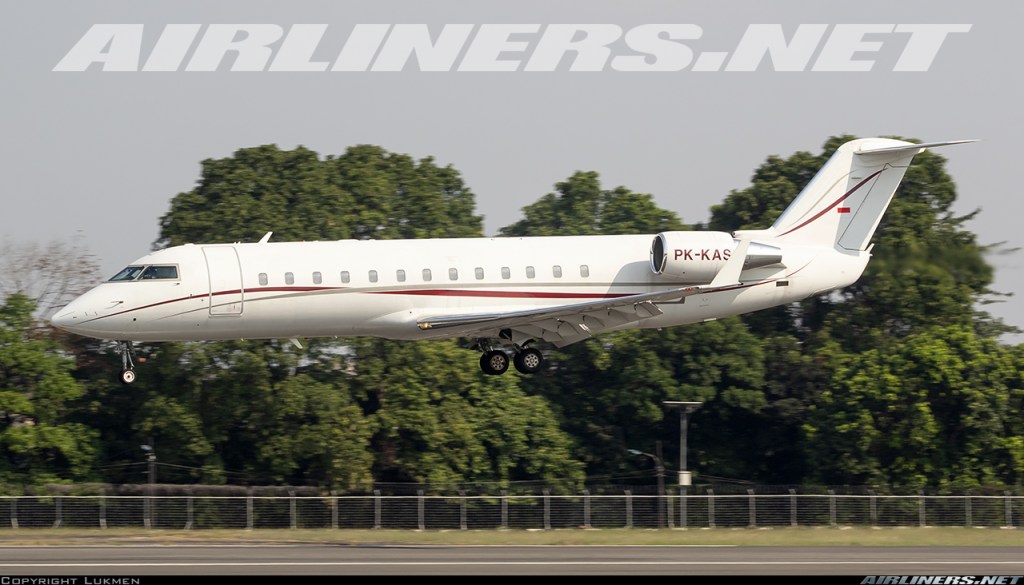
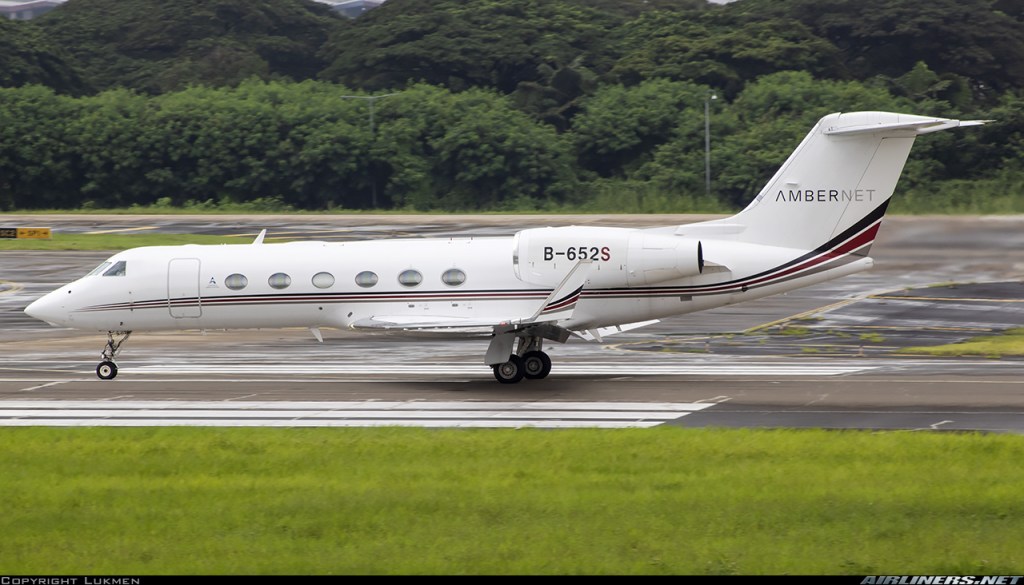
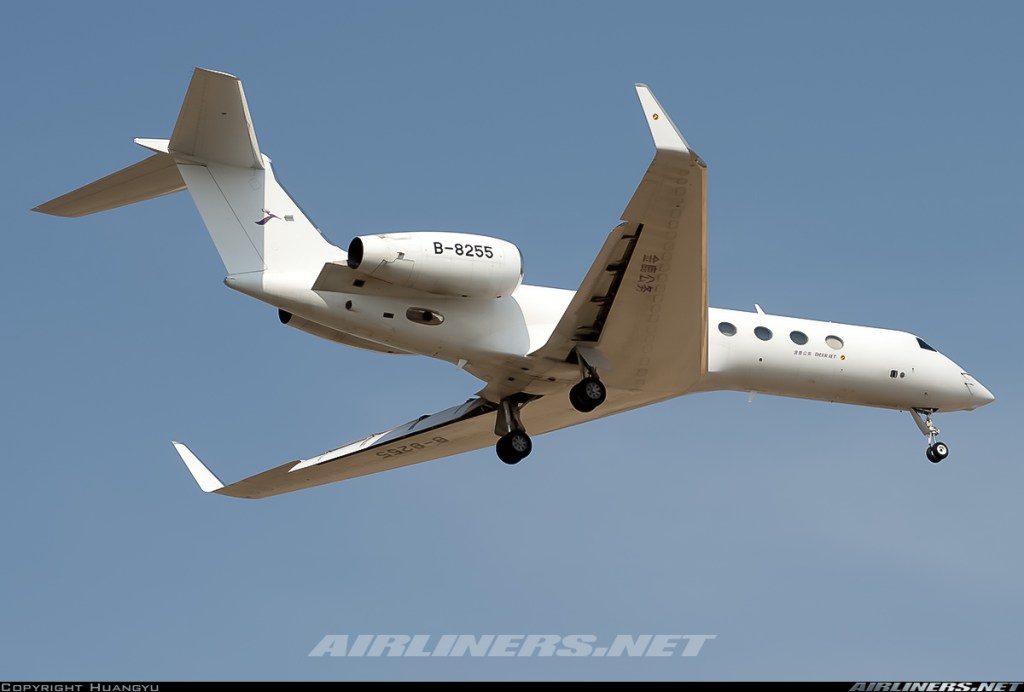
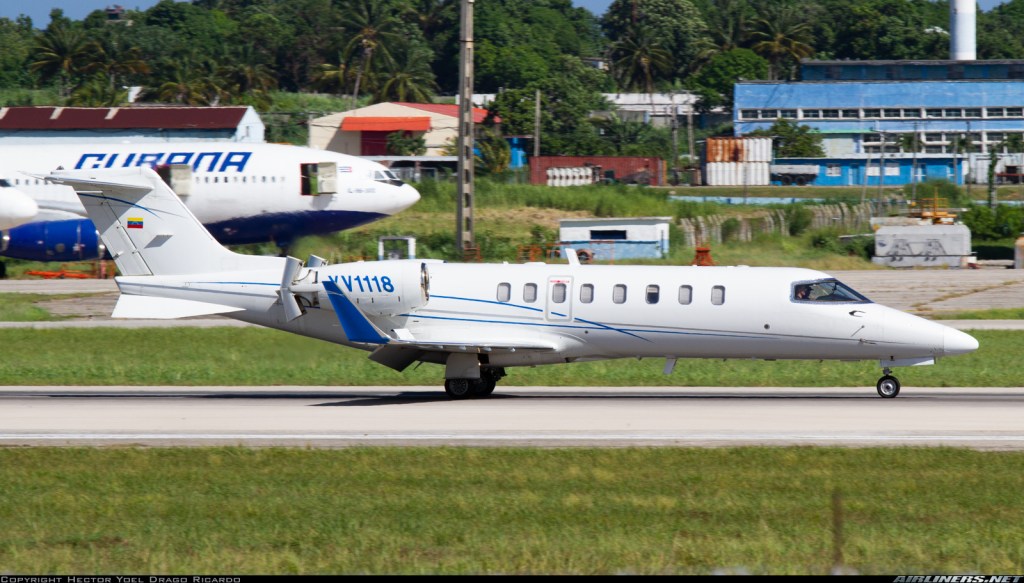
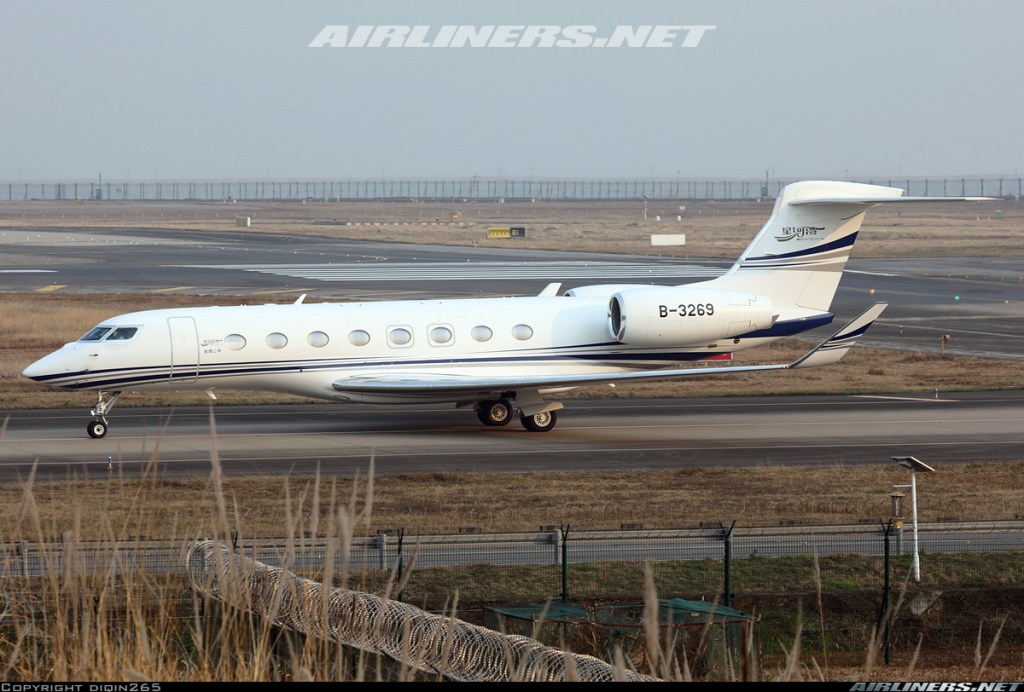
Rarely do you see a private jet that demands attention. And in business aviation, that’s intentional—because livery isn’t just about how an aircraft looks, it’s about what it chooses to say. Or, in many cases, what not to say.
In commercial aviation, branding is everything because airliners are flying billboards, designed to be recognized from a distance and remembered long after the airport. For us airplane spotters, not only does a design catch our eyes at any given moment, but some of us can read between its wings. We can read their intentions, especially when a bold color scheme is paired with an iconic logo.
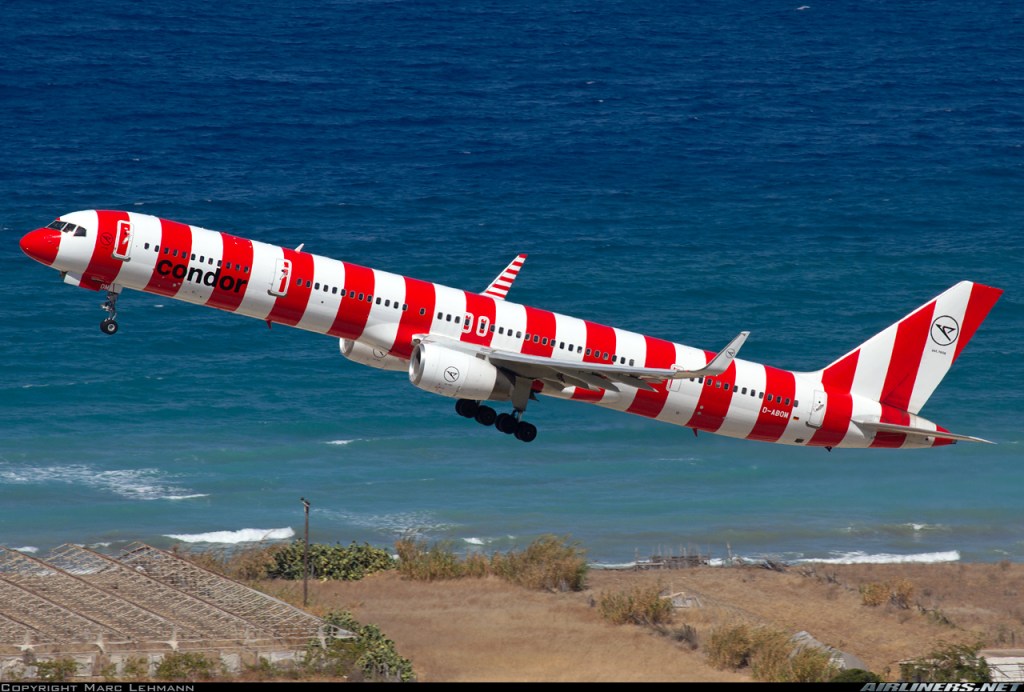
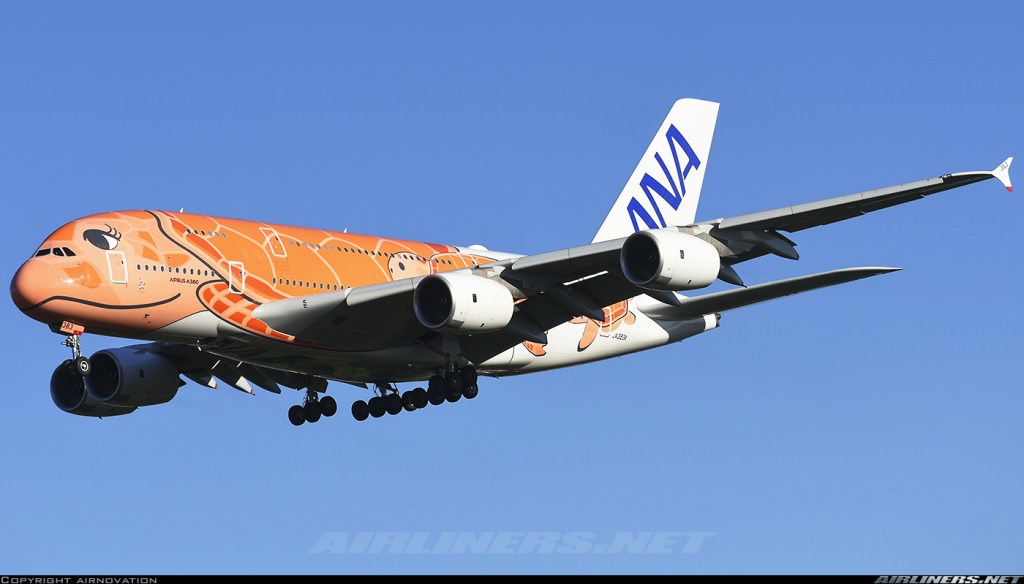
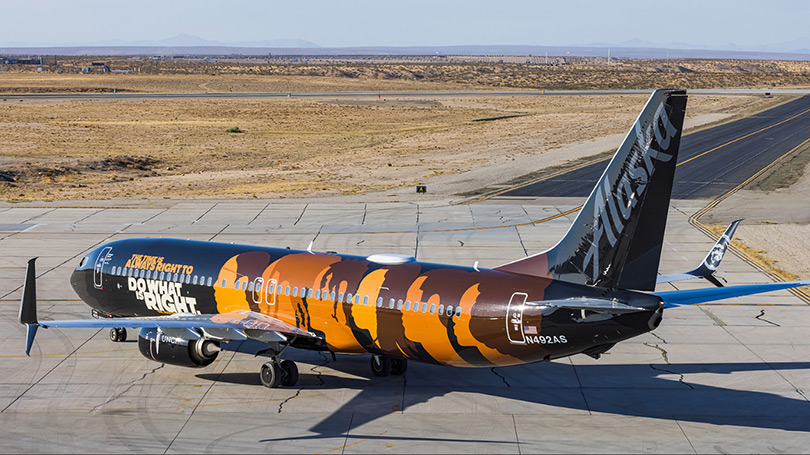
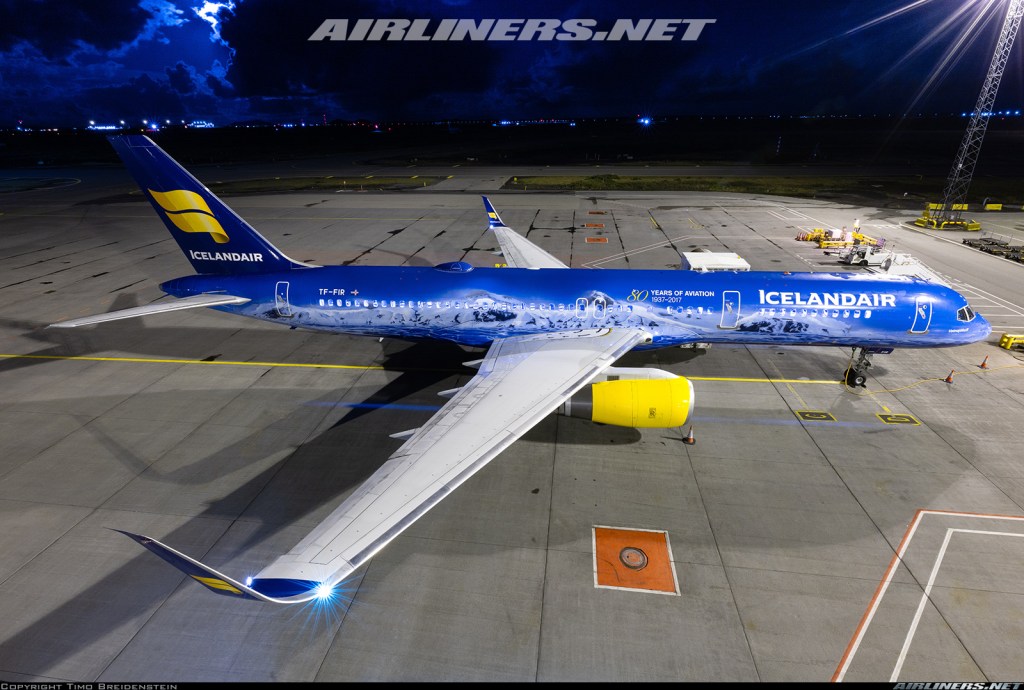

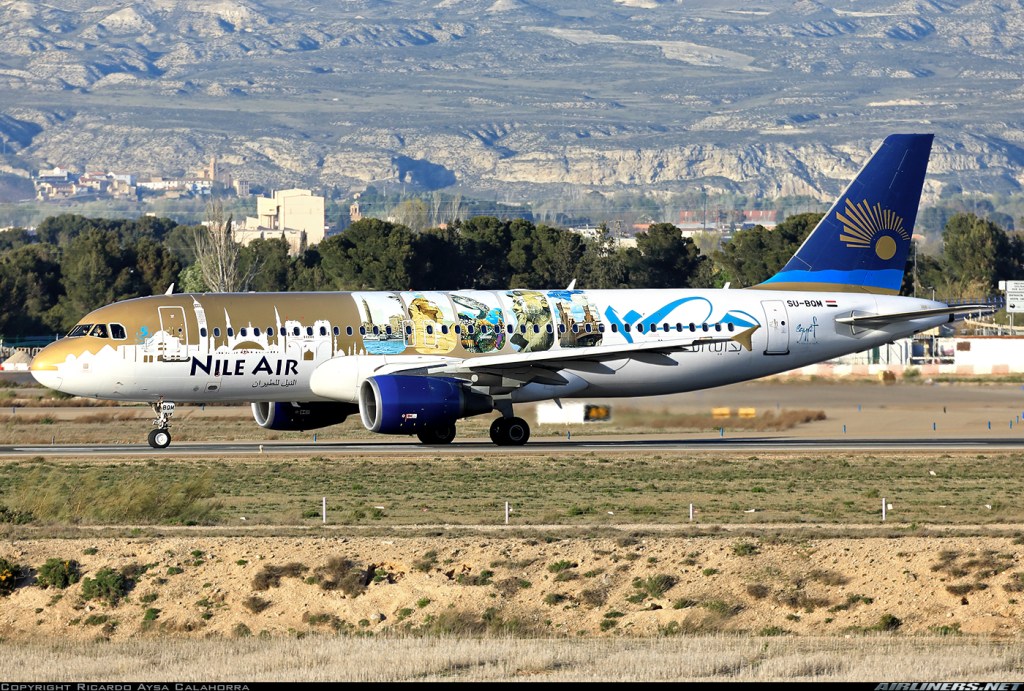
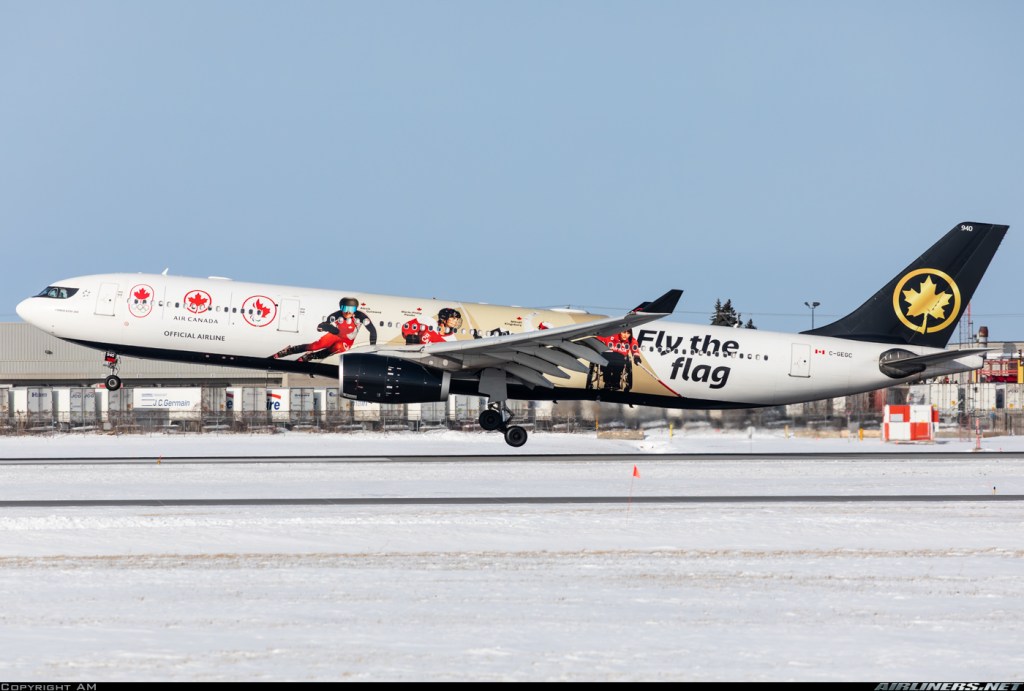
But in business aviation, discretion often carries more value than recognition.
An all-white jet—arguably the most common look in private aviation—isn’t just a design preference; it’s practical. White reflects heat, helps regulate cabin temperature, and is easier to maintain over time. It also preserves the aircraft’s resale value, giving future owners and lessors a blank canvas rather than the cost of repainting.
Beyond the operational benefits, there’s something else… a white fuselage is quiet, modest, reserved, and regal.
Private aviation is about moving efficiently, confidently, and without unnecessary attention. And minimal livery supports that. No bold branding. Maybe a few subtle identifiers from a distance. But overall, a clean aircraft that blends with its environment.
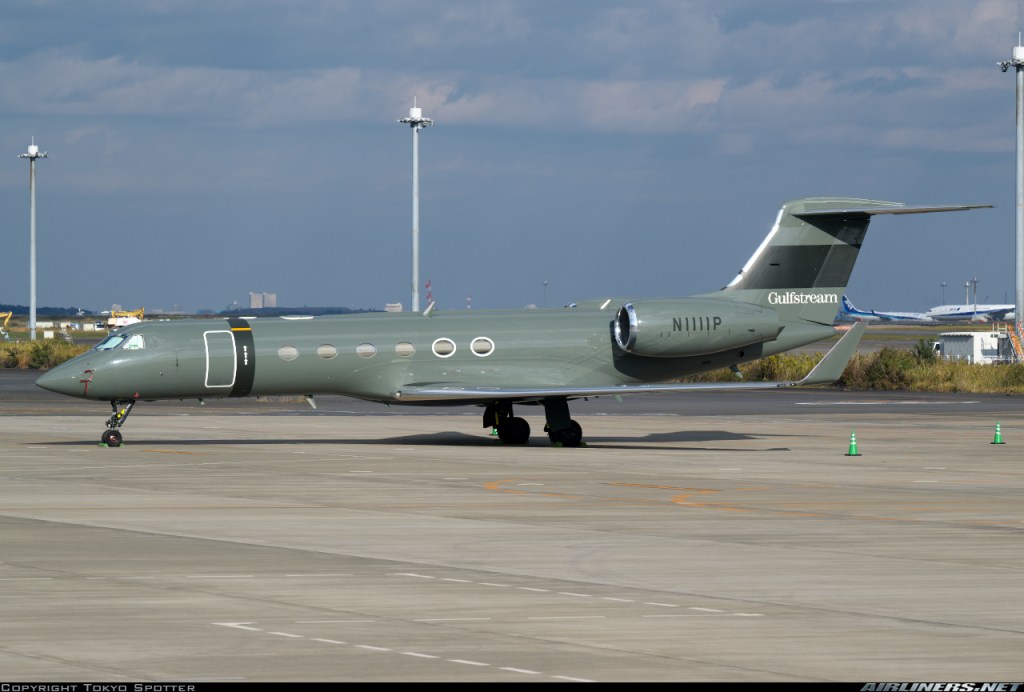
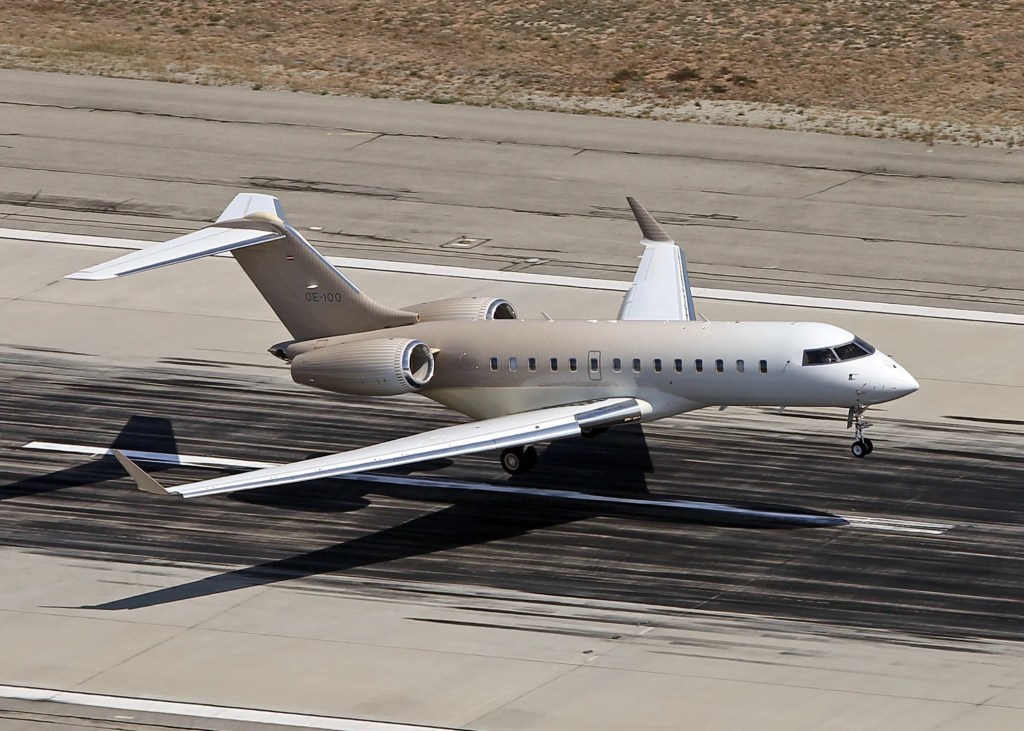
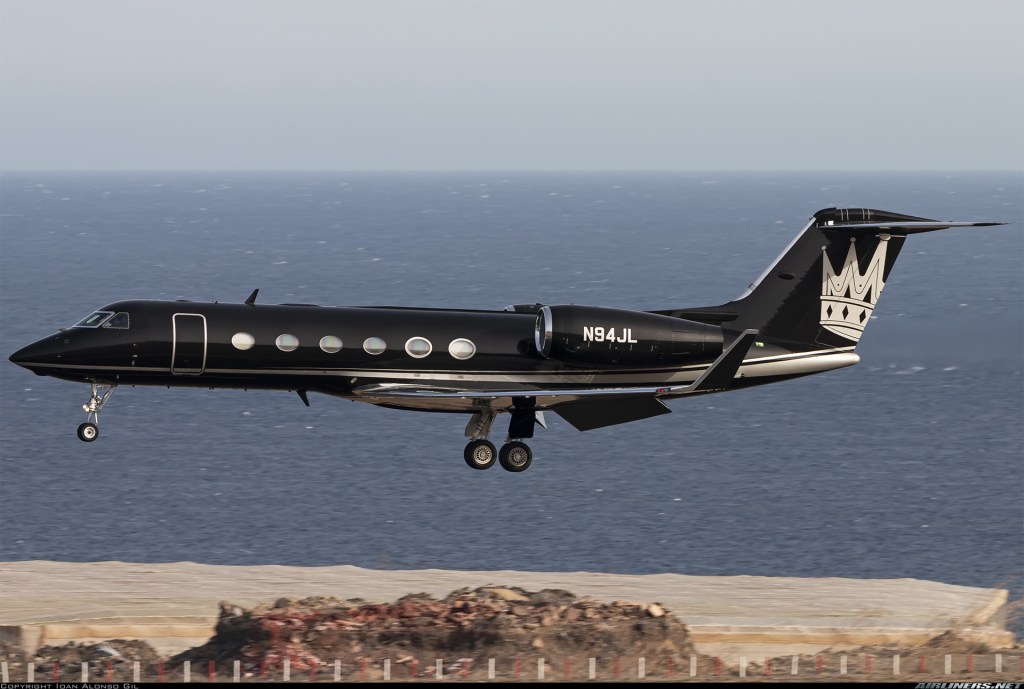
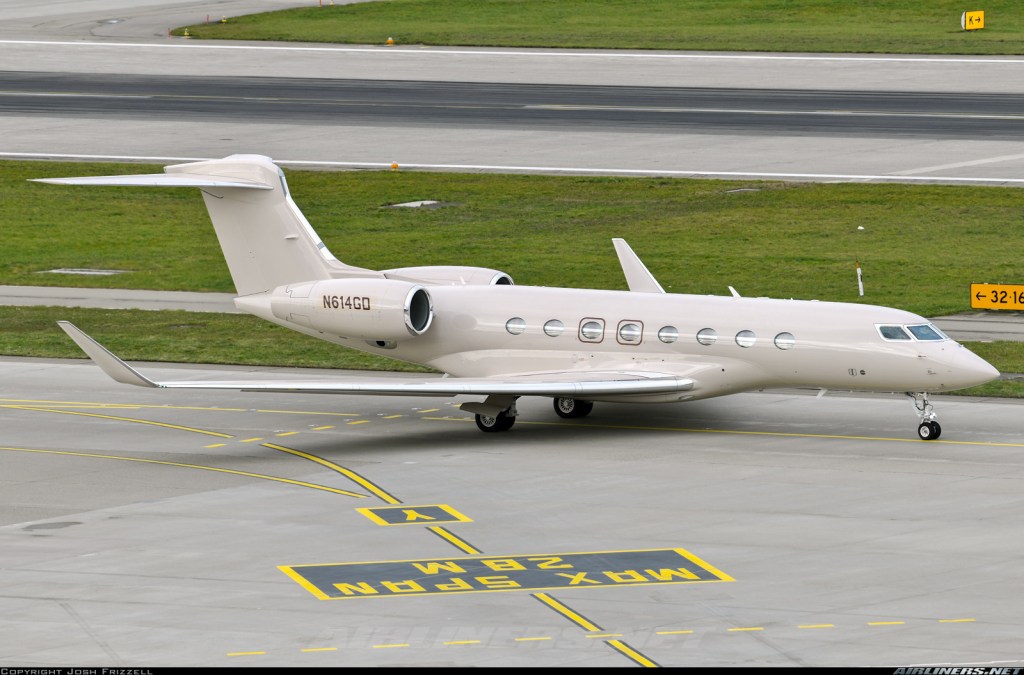
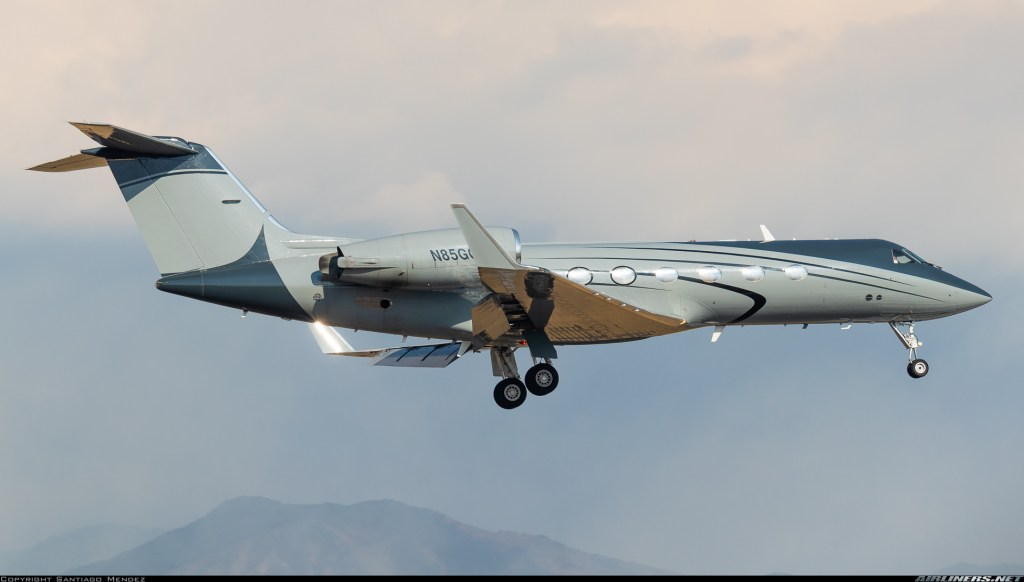
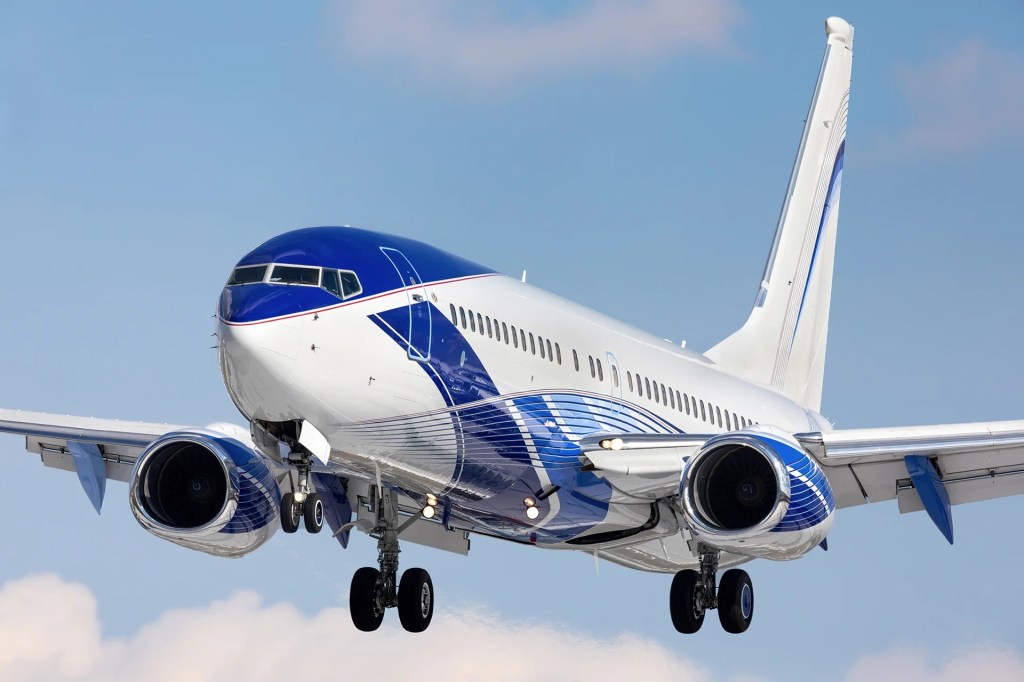
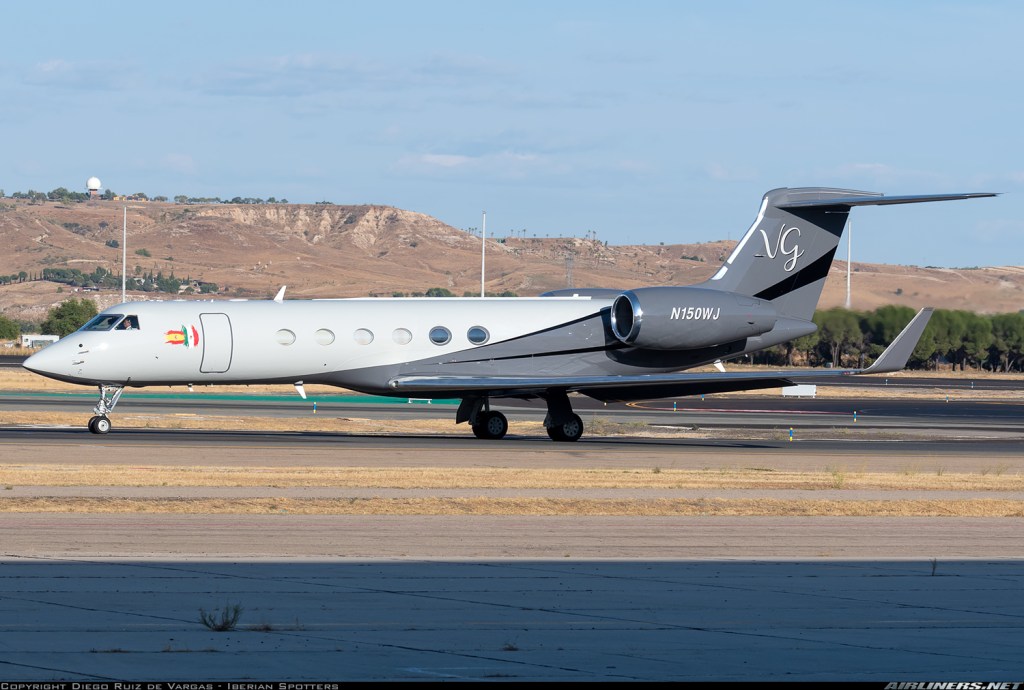
The lack of design is the design. But not every aircraft follows this philosophy.
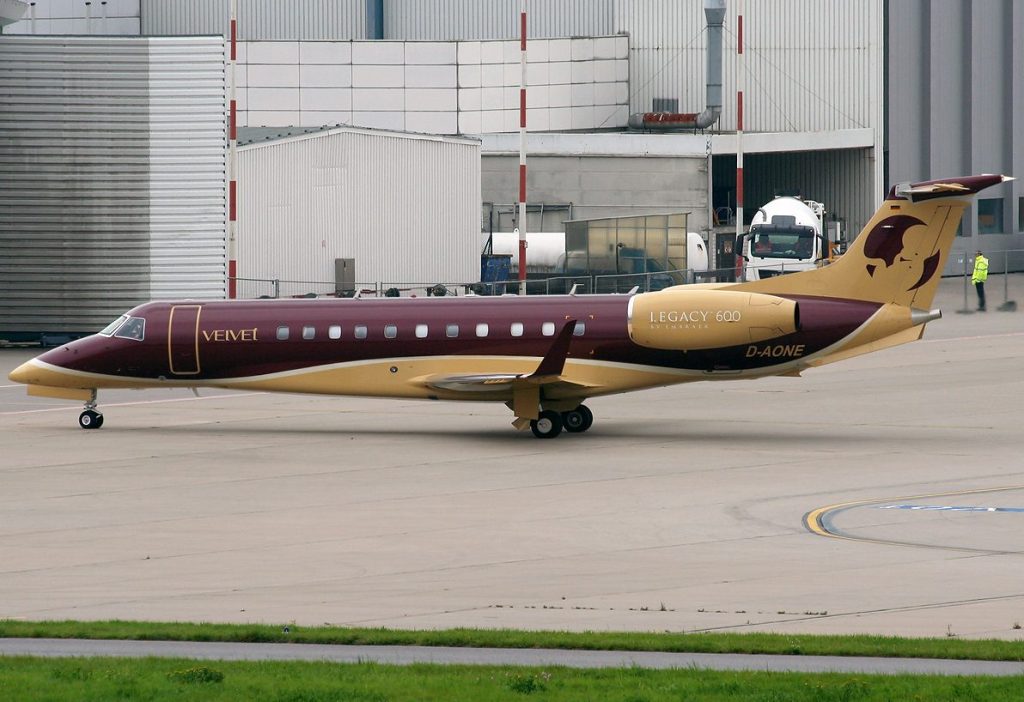
In the exceptions, where an aircraft carries a bold color scheme, custom graphics, or branding that reflects a company’s identity or an individual’s personality, these aircraft stand out immediately.
Nike’s portfolio of jets has ranged from Gulfstreams and Nissan Jets to an old Transworld Oil Aircraft, with its logos placed across the fuselage and tails.
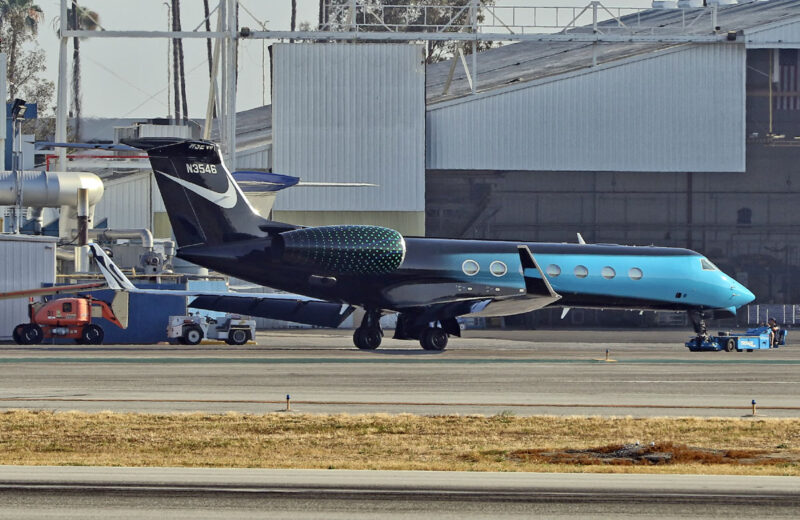

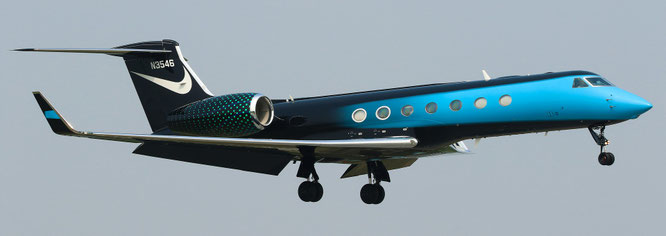
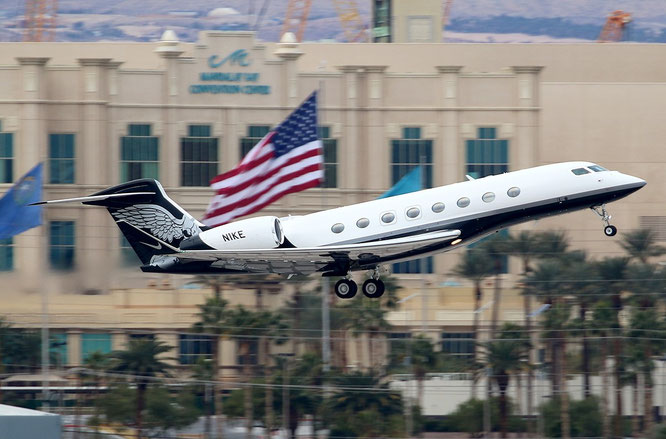
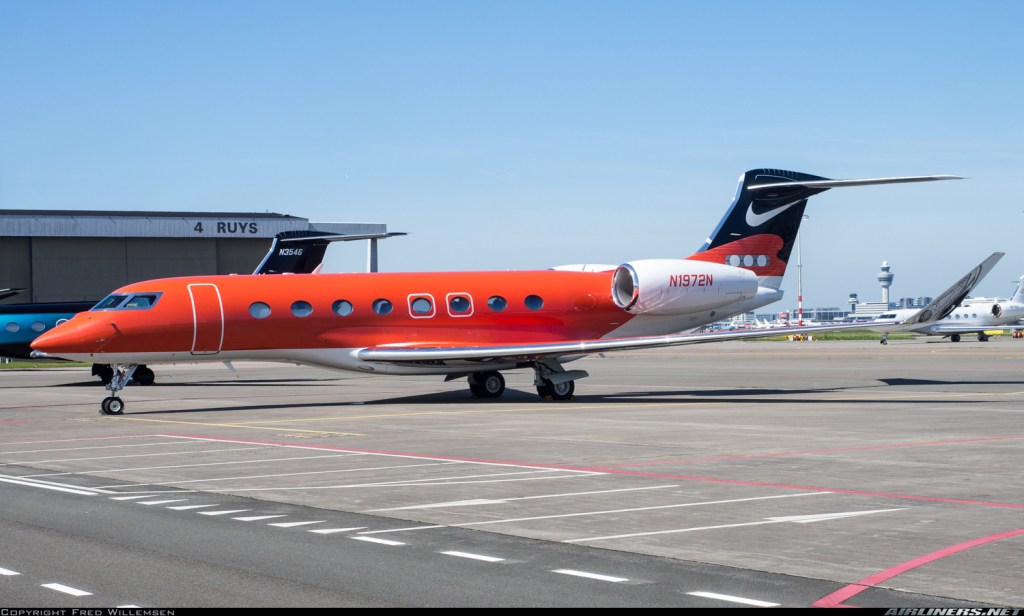
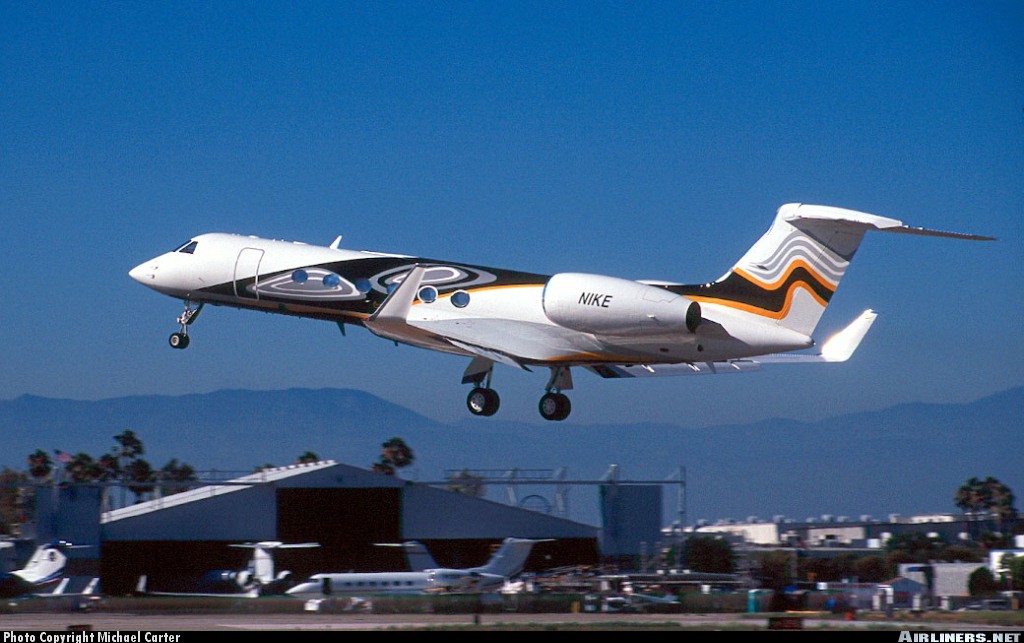
Although Nike is known for switching out its jets, this style of livery is a marketing tactic that elevates its brand compared to companies that design with a mission in mind.
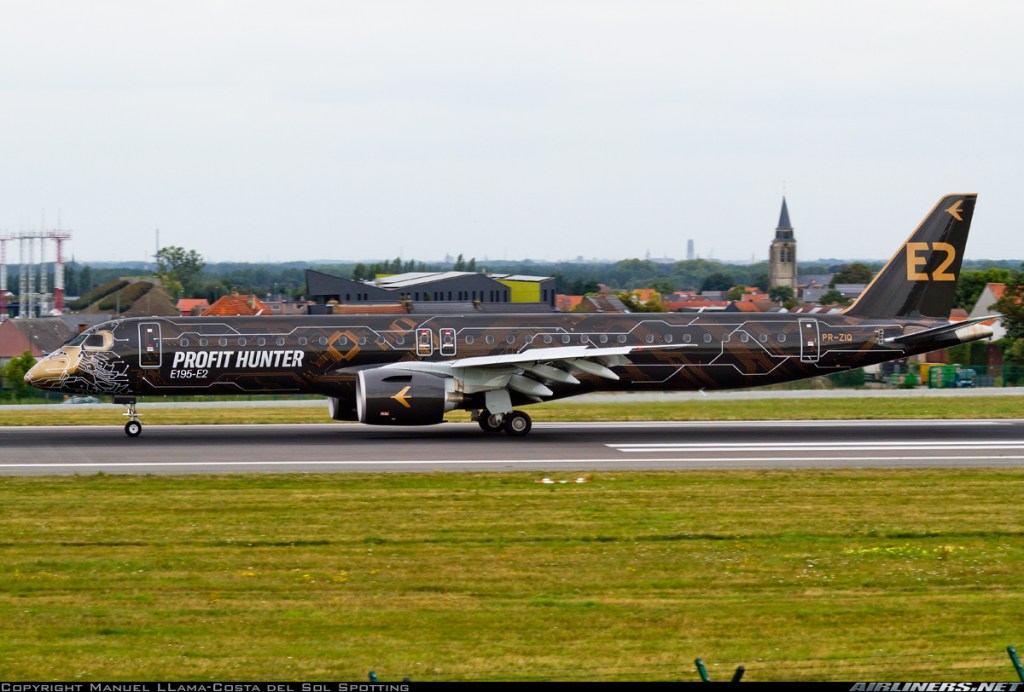
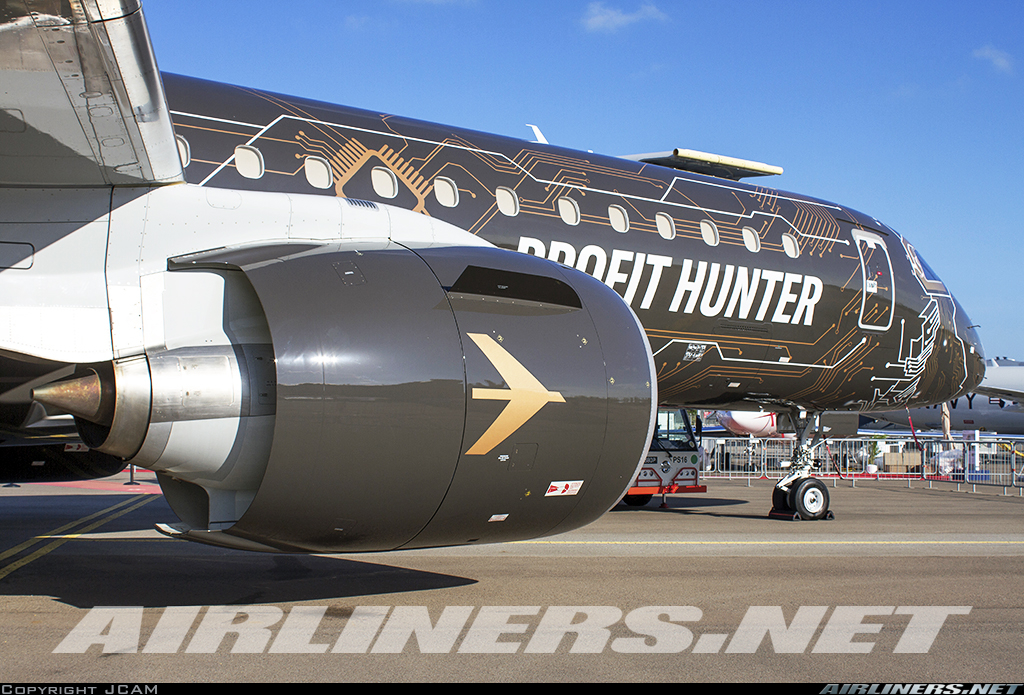
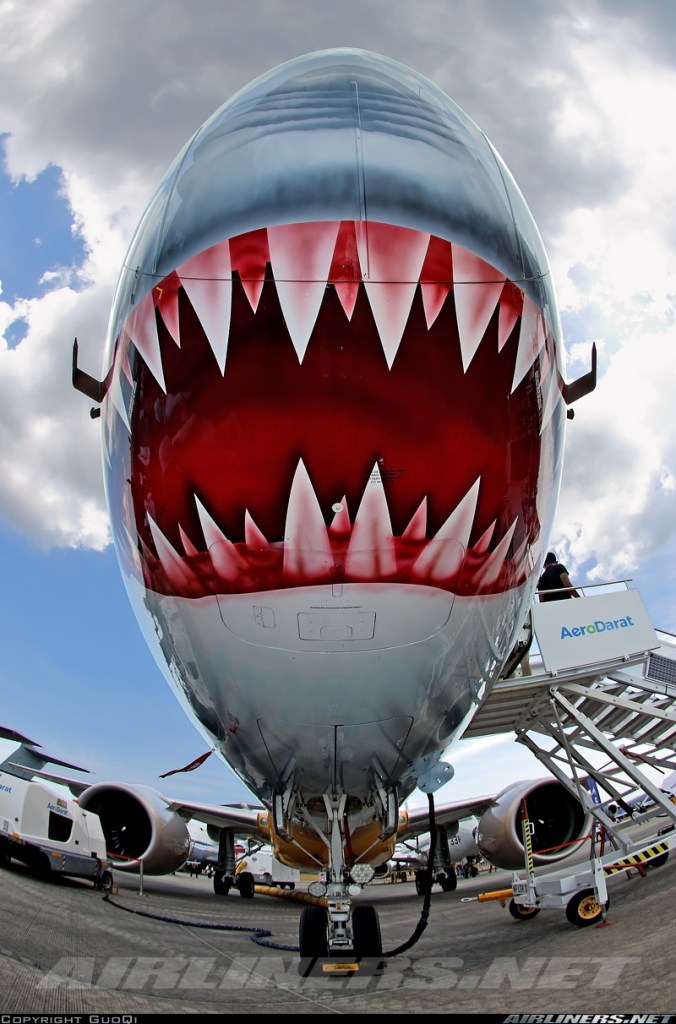
“…hunt down the profits like a shark”.
Embraer’s Profit Hunter was designed to let you know who they’re going after. A design with abstract intention, and a message as loud as one aircraft having teeth across the bottom of its nose.
Most of these eccentric designs are not for brand recognition, but for meaning—reflecting hobbies, memories, or identity. Designs inspired by motorsports, outdoor culture, or even childhood passions, turn these jets into something more than transportation. They become extensions of the owner.
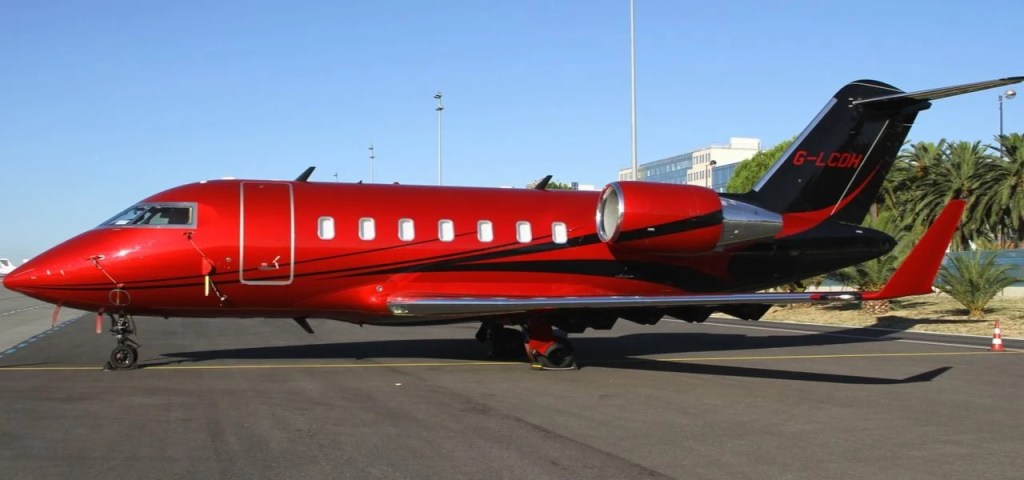
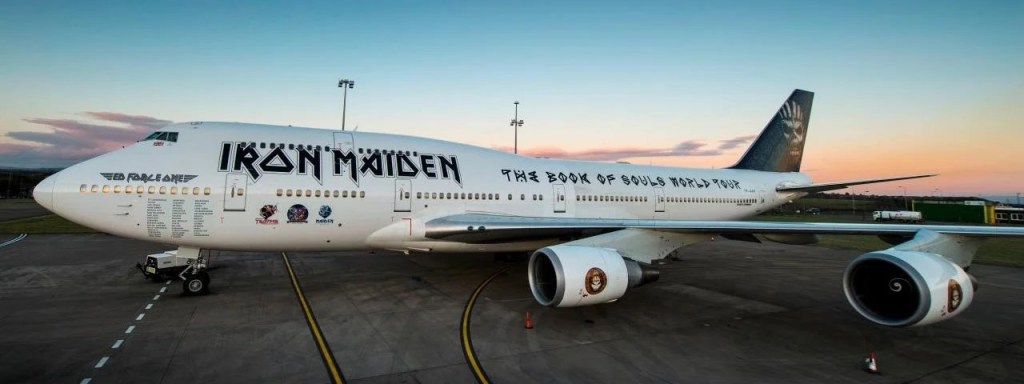
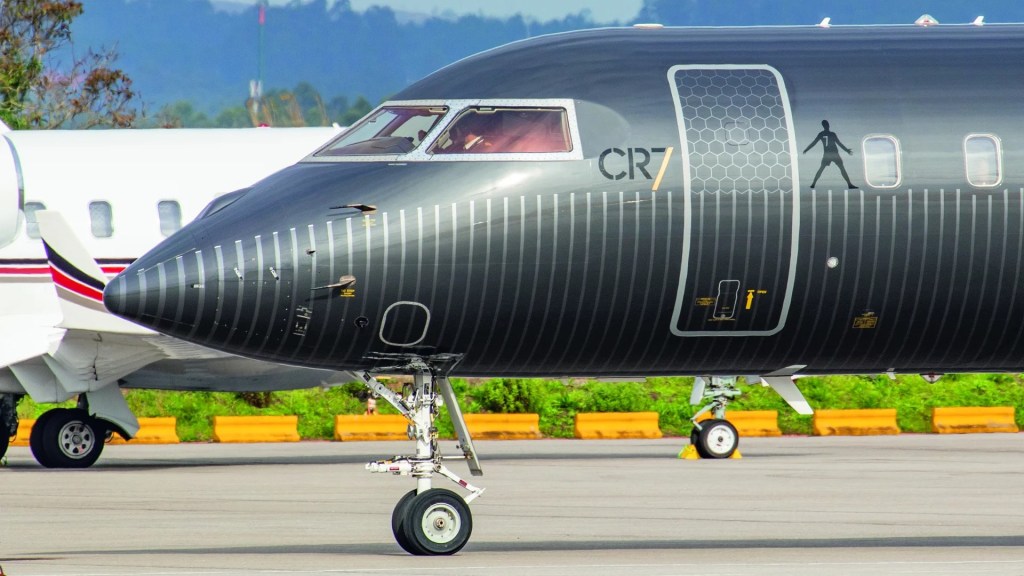
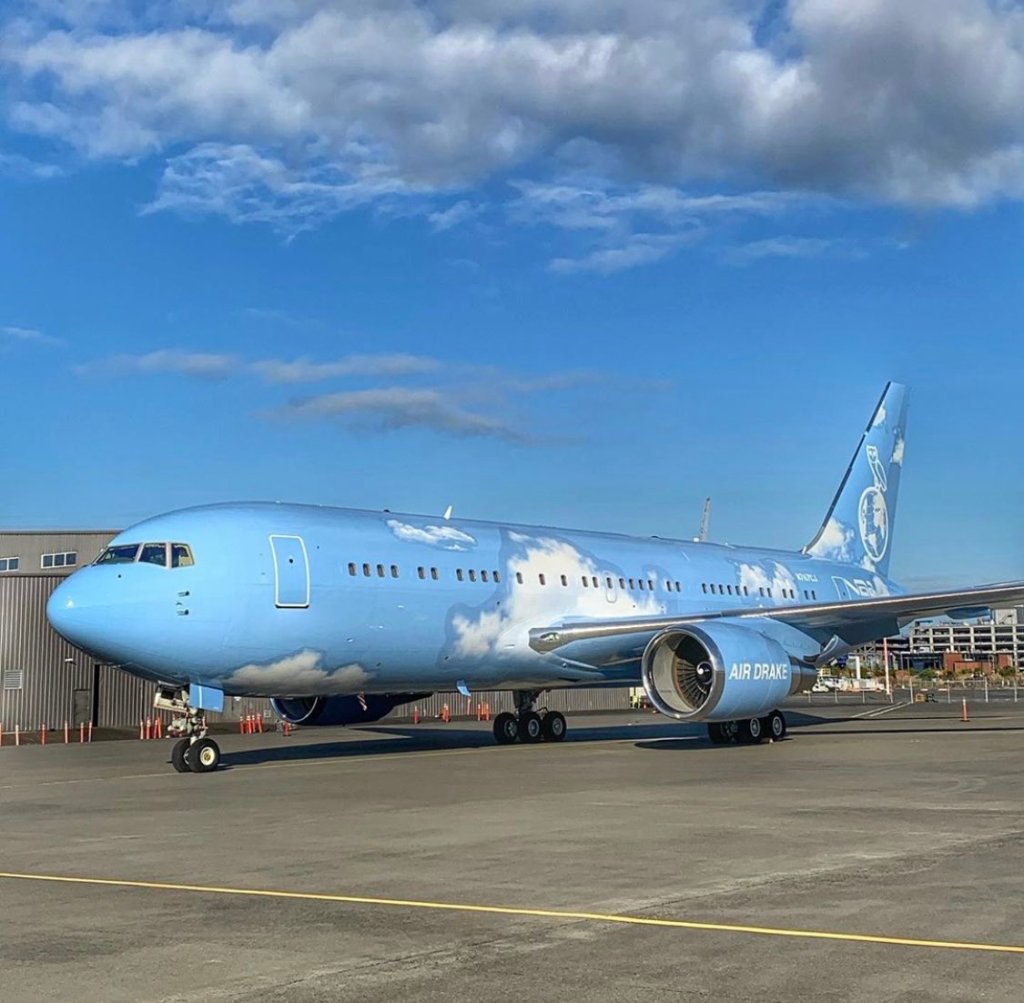
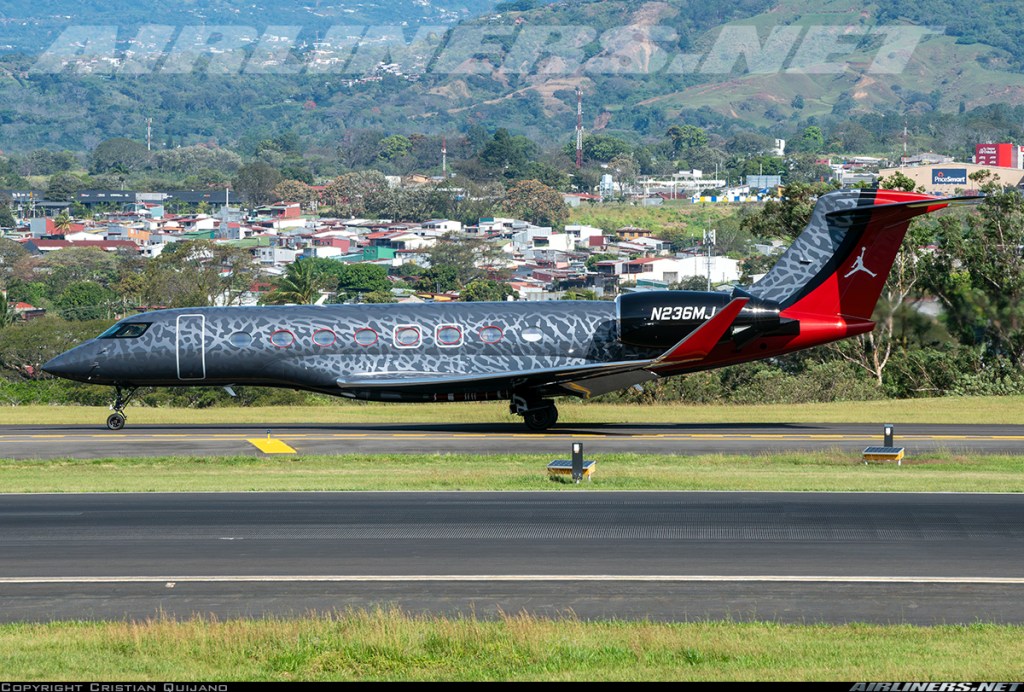
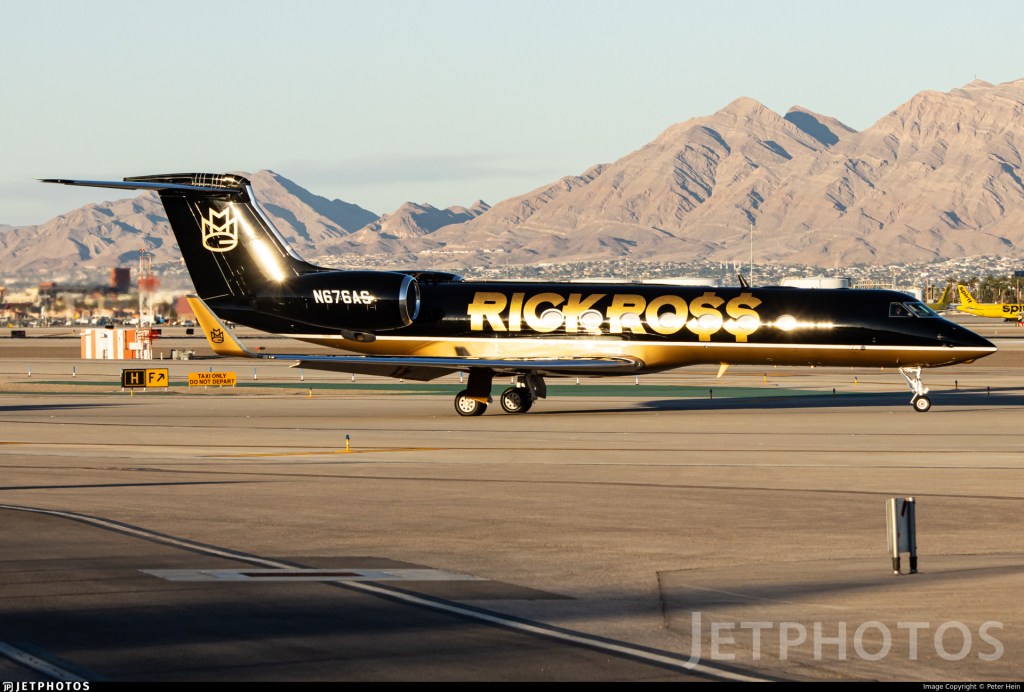
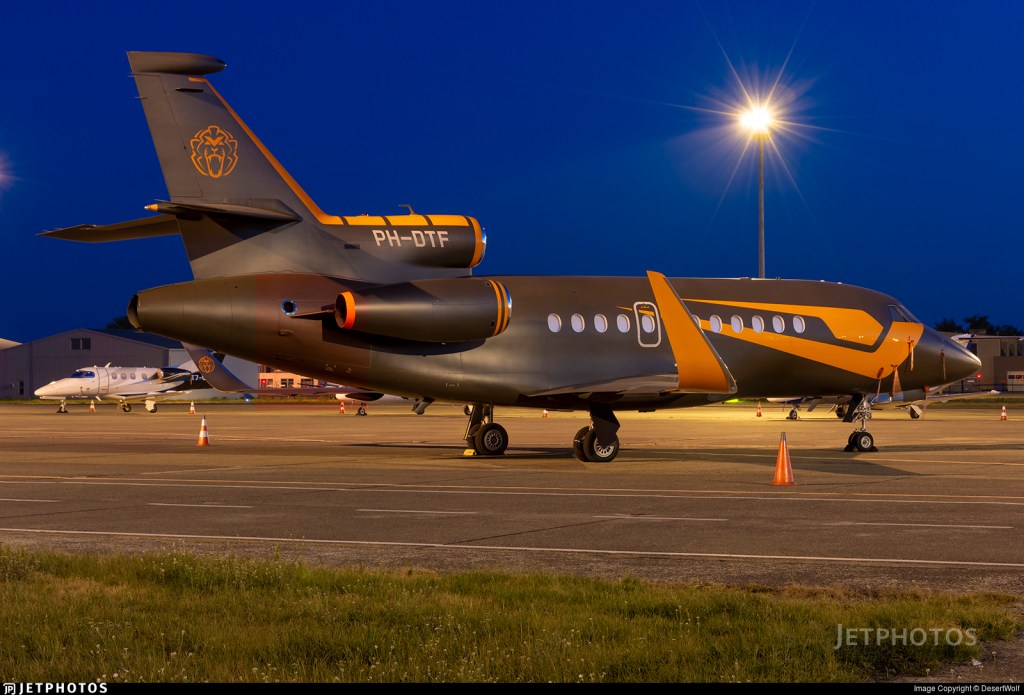
What makes livery in this space so compelling is that it sits at the intersection of practicality and perception. For most, it represents efficiency, precision, and privacy. And occasionally—expression.
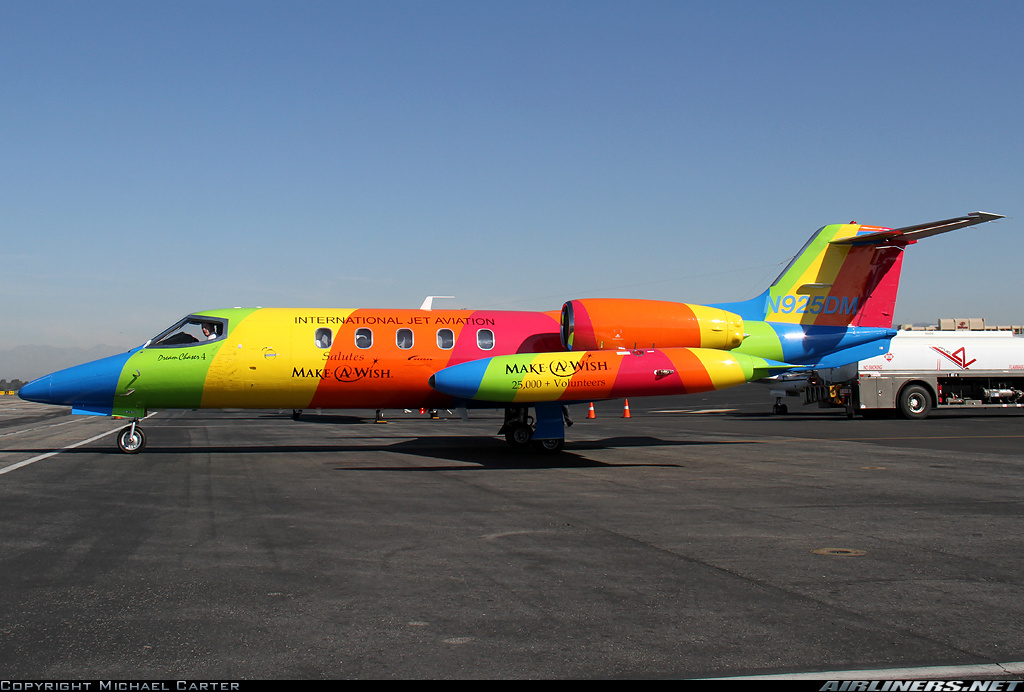
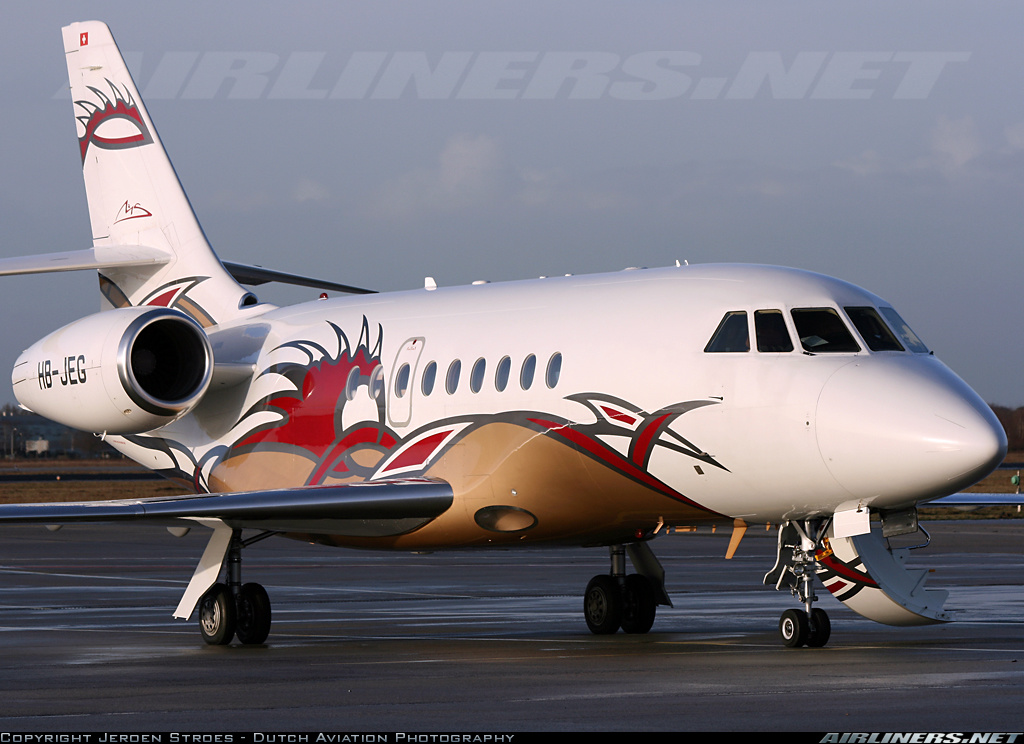
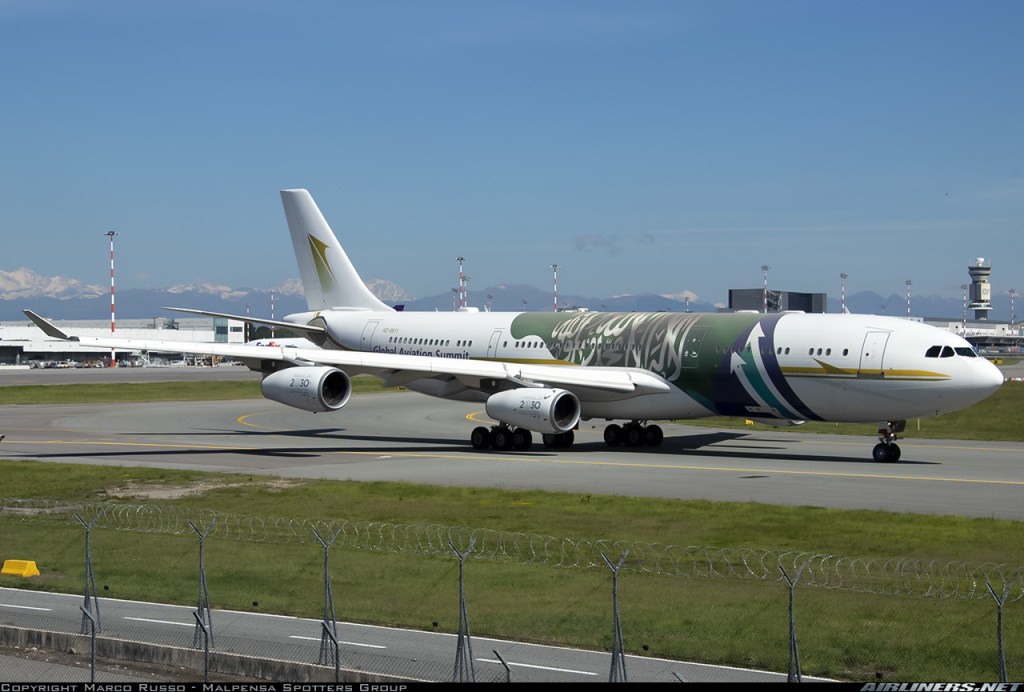
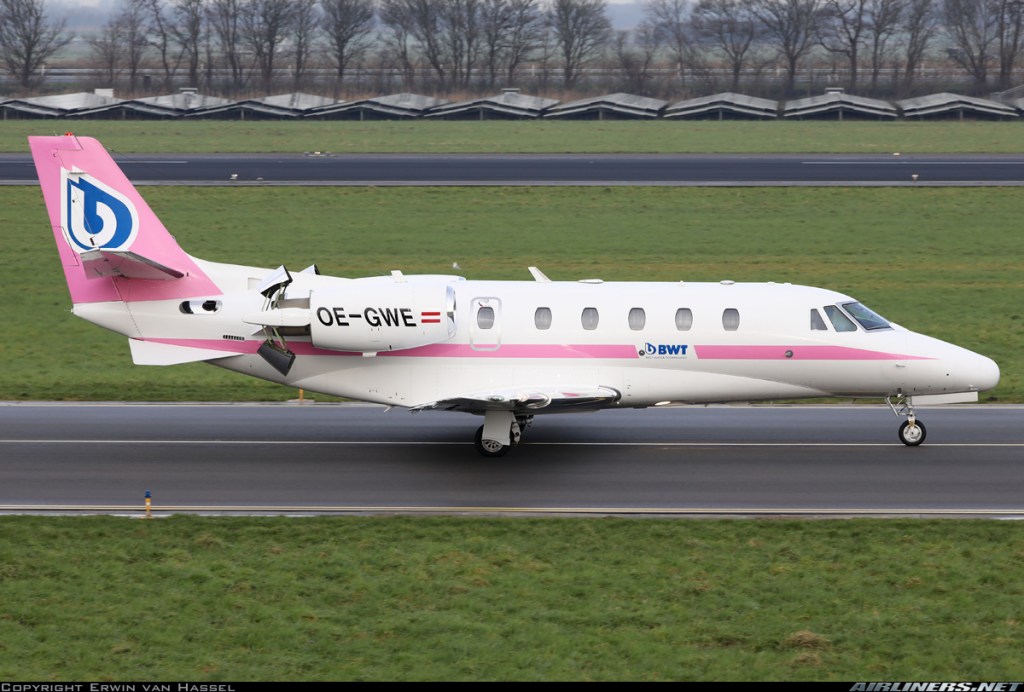
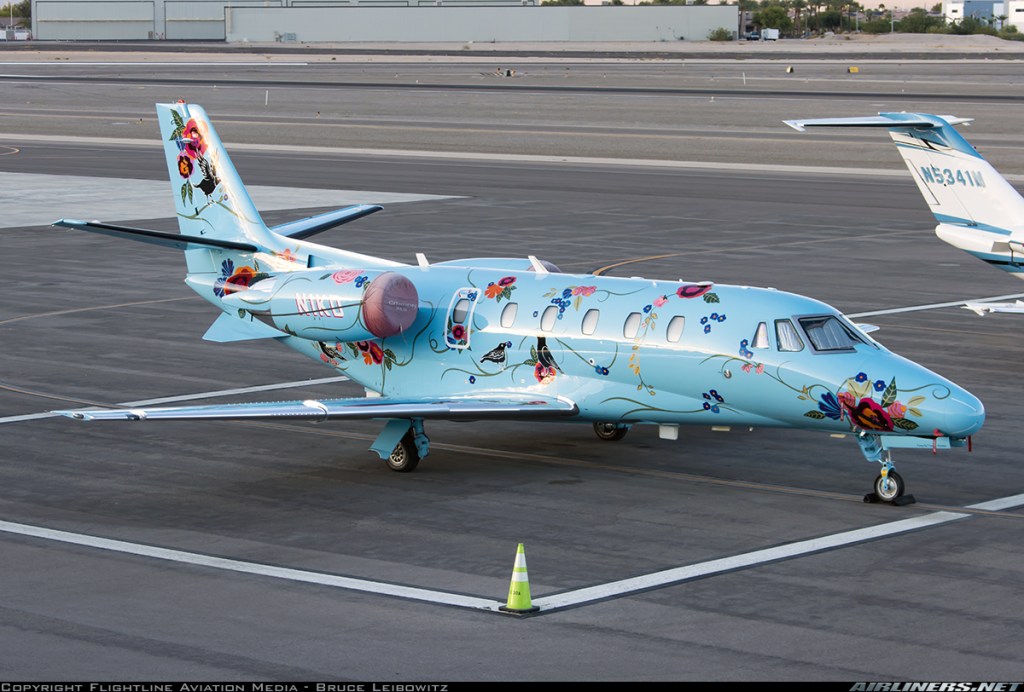
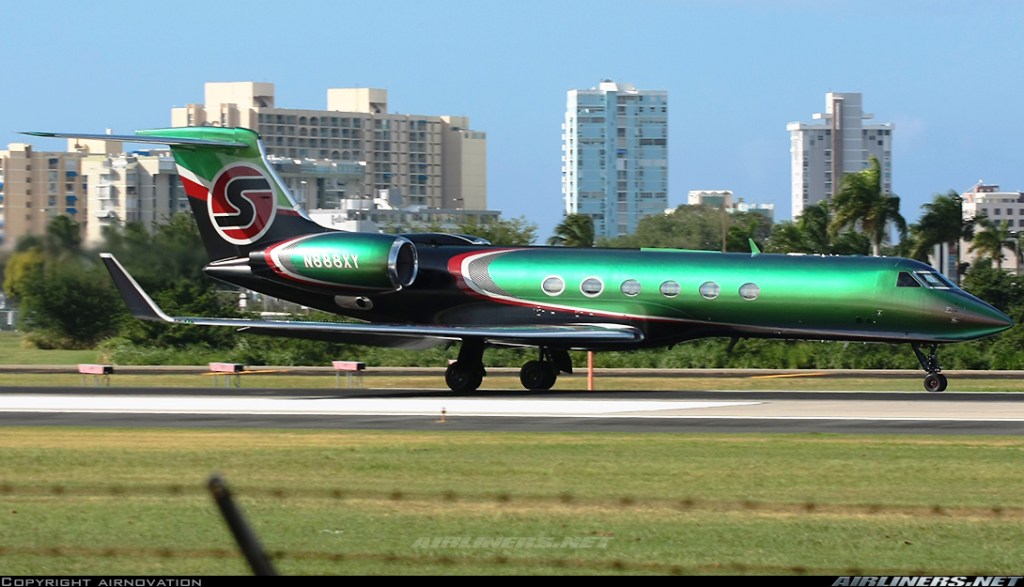
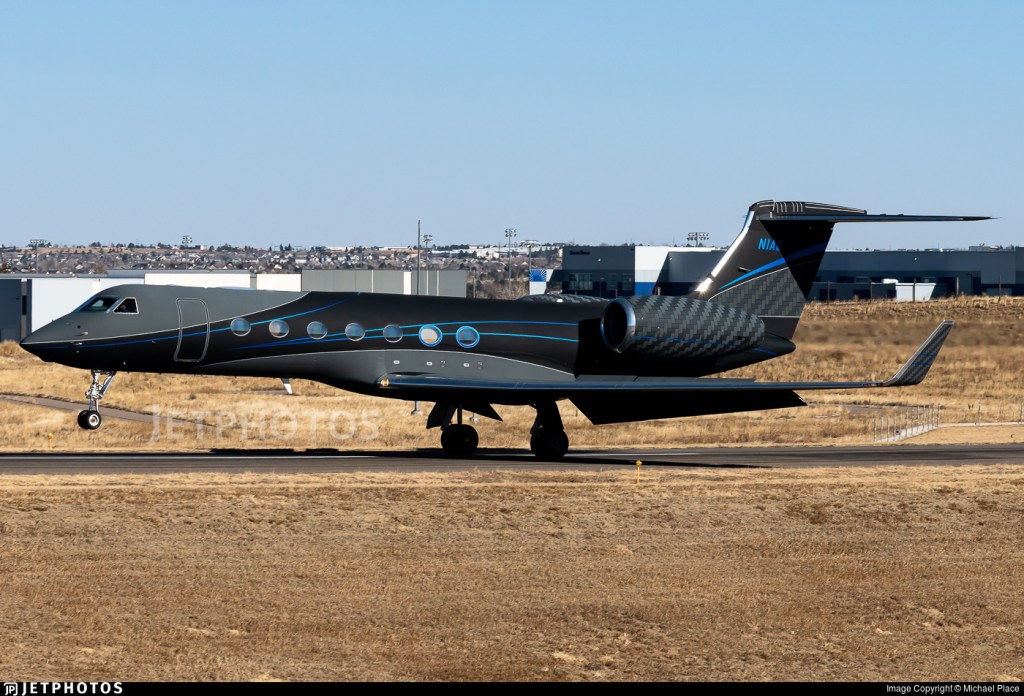
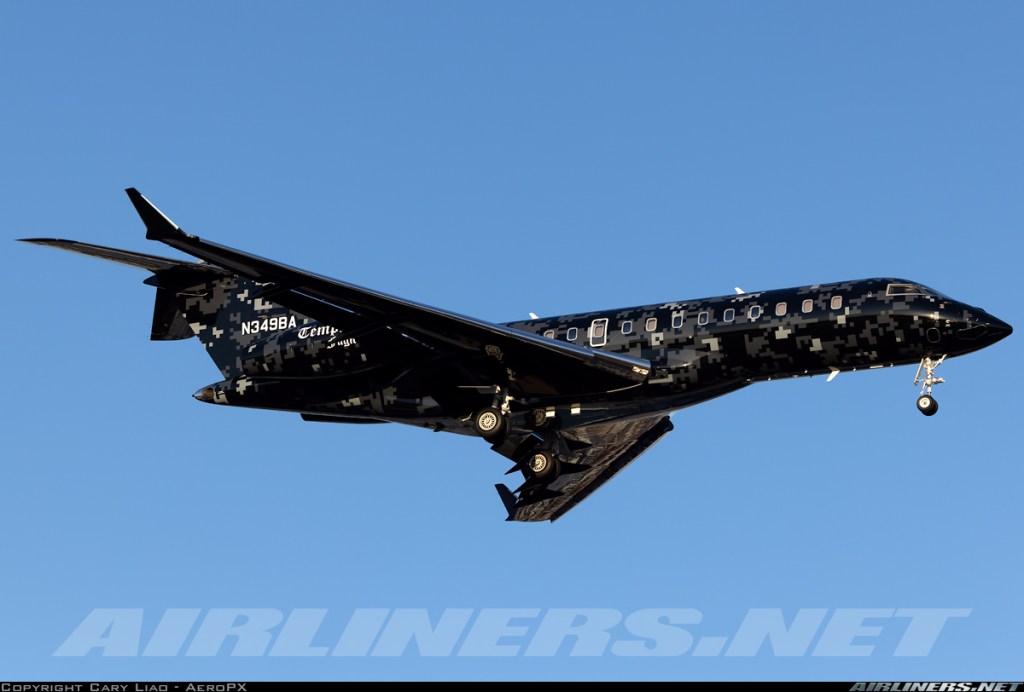
The more time you spend around private jets, the more you start to notice this. Uniformity isn’t accidental. And the restraint isn’t random. It’s a reflection of an industry that often values subtlety over spectacle, and intention over attention. Because long before a client steps on board, the aircraft has already said something.
And very few people understand how to read it.
–TK


