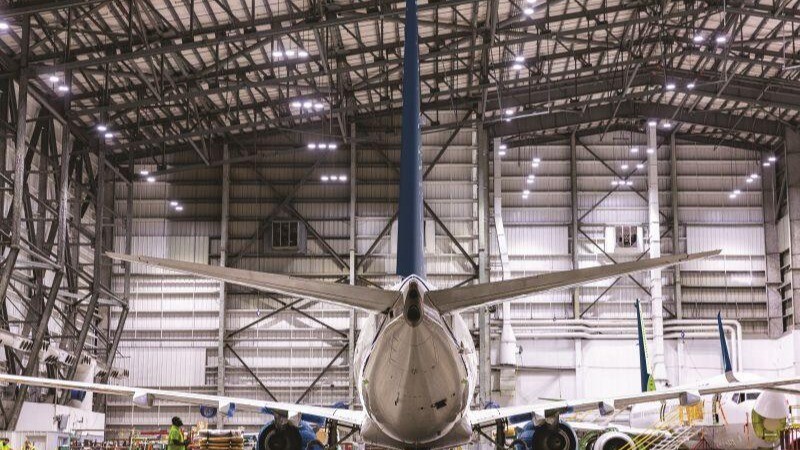
Featured Photo: AAR Corp
Friday, November 20, 2026
If you ask a gardener when the tomatoes will be ready, you’ll probably get an estimate. Or ask a meteorologist whether it’ll rain on Saturday, and you’ll get a disclaimer. Ask a parent when their eighteen-year-old will finally move out…they’ll likely look at you as if you should know better than asking.
Aviation has similar problems, except the tomatoes cost several million dollars. The weather can ground an entire day of flying. And the teenager in question might be a military aircraft expected to stay in their room—excuse me—service for another several years.
And with that, I welcome you to aviation forecasting.
An airline planning its fleet is much like someone renovating a house they haven’t purchased yet. They want to know how many rooms they’ll need, what the neighborhood will look like, and whether the plumbing will survive another decade. Except instead of bathrooms, they’re planning aircraft deliveries, passenger capacity, retirements, and operating costs. Get these estimates wrong, and the consequences are way more expensive than choosing the wrong kitchen backsplash.
And aircraft don’t come by themselves. With engine components, maintenance providers, replacement parts, and technical support, everything is calculated in the equation. It’s less like buying a car and more like adopting an ecosystem with a very expensive appetite for networking.

For an MRO provider, knowing where aircraft will operate and when they’ll need maintenance is much like knowing which neighbors are about to install swimming pools. Investing in a landscaping business doesn’t seem that bad of an idea…
Military aviation is a bit more complex. Defense organizations are considering older aircraft, procurement priorities, and the challenge of keeping their assets operational for years to come. A fighter jet entering service today could become the aviation equivalent of a family’s inheritance—expensive to maintain, difficult to replace, and until further notice, every family member’s responsibility.
Aviation forecasting matters because projected deliveries, retirements, utilization, and other market indicators help companies understand where demand is headed. It’s a game of chess, studying a historical weather report, and partly an attempt to assemble furniture using a quarterly-updated instruction manual.

Of course, no forecast accounts for everything—because with economic shifts, geopolitical developments, and production delays, expectations can change overnight. But planning without a forecast is like showing up to a chess tournament after everyone’s made their move. The goal isn’t to predict the next, but to understand the board.
In aviation, tomorrow’s opportunities often hide inside today’s decisions. Nobody can negotiate with the future, but it helps to know what you’re walking into. The future may be unpredictable—being unprepared, however, is a choice.
-TK


